Pakistan spends record $3.8bn on palm oil imports
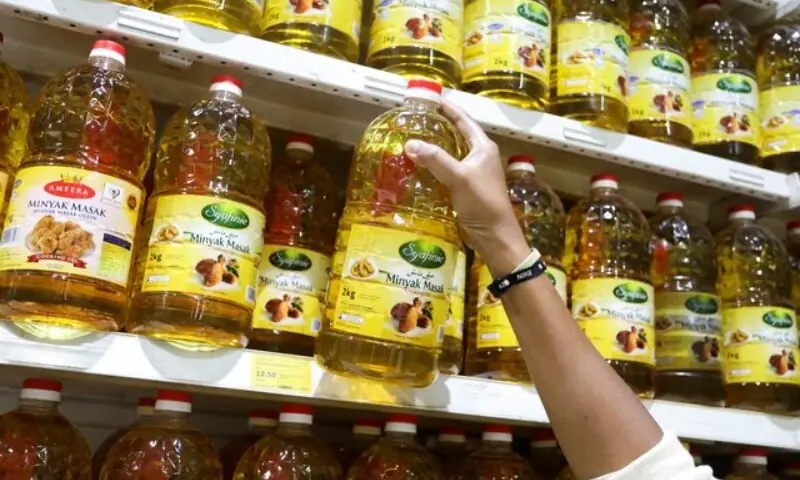


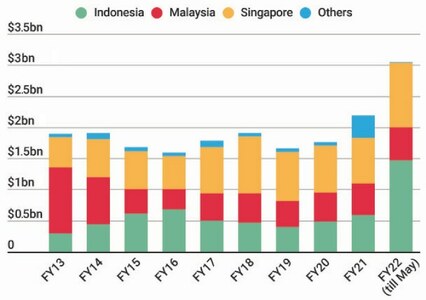
KARACHI: Pakistan recorded an all-time high import of 3.482 million tonnes of palm oil, worth $3.785 billion, in FY26 as compared to 3.214 million tonnes worth $3.4bn in FY25.
According to data from the Pakistan Bureau of Statistics (PBS), the average price per tonne of palm oil imported in FY26 stood at $1,078 versus $1,056 in FY25.
Pakistan Vanaspati Manufacturers Association (PVMA) Chairman Sheikh Umer Rehan attributed higher palm oil imports to rising demand for ghee and cooking oil as a result of population growth and lower crops such as cottonseed. He said edible oil consumption has increased to 4.8 million tonnes from four million tonnes five years ago. Despite this growth, no edible oil policy has been made since independence, he complained.
He said the local industry faced a problem as the Federal Board of Revenue (FBR) was pressurising the manufacturers for paying the general sales tax (GST) on retail price which had previously been charged at ex-mill price.
Instead of creating a business-friendly environment and reducing the cost of doing business, the FBR is creating complications for taxpayers, Umer said.
The PVMA chief warned the new sales tax mechanism, introduced in the FY27 budget, would push up ghee and cooking oil prices by Rs10-15 per kg.
The FY27 budget expanded the scope of the Third Schedule by shifting sales tax collection on ghee and cooking oil to a mechanism based on the Maximum Retail Price (MRP). This change would significantly increase the tax burden on the industry.
The PVMA had previously urged the government to cut taxes for the edible oil and ghee sector in the budget to ease the public burden.
According to data from the Sensitive Price Index (SPI), the national average price of 5-litre cooking oil, 2.5kg ghee and 1kg ghee stands at Rs2,975-3,110, Rs1,500-1,565 and Rs590-610 versus Rs2,800-3,000, Rs1,425-1,485 and Rs550-580, respectively, showing a slight increase in prices over a year.
Published in Dawn, July 29th, 2026