PM says modernisation of Pakistan Railways instrumental in establishing country as a regional hub
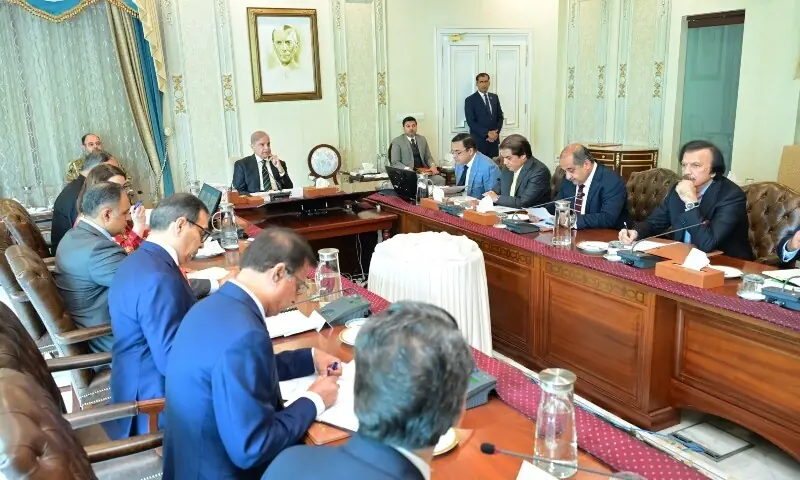
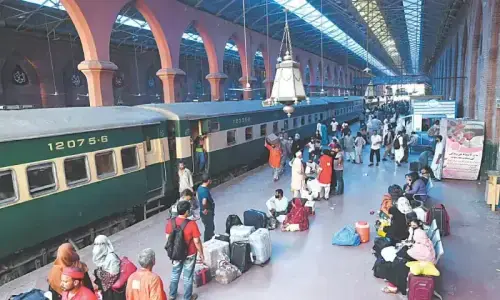
ISLAMABAD: Prime Minister Shehbaz Sharif on Monday said that the modernisation of Pakistan Railways’ infrastructure will be instrumental in establishing the country as a regional trade and logistics hub.
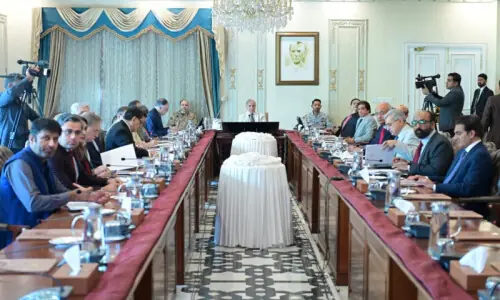
He made the remarks while presiding over a review meeting on the progress of the Pakistan Railways Transformation Plan. During the meeting, he directed the swift upgradation of Pakistan Railways to make it a more effective and revenue-generating mode of transport.
He also remarked that the railway was the most cost-effective and efficient mode of transport for both passengers and freight.
He added that a modern and efficient railway system would play a pivotal role in strengthening Pakistan’s economy, promoting trade and enhancing regional connectivity.
PM Shehbaz directed that all railway development projects be completed within the stipulated timelines while maintaining the highest quality standards.
He instructed the relevant authorities to present proposals regarding the upgradation of the Rohri–Multan section of Main Line-1 (ML-1).
The meeting was briefed on the progress of ML-1 and ML-3 upgradation projects, Thar Coal railway connectivity and other ongoing railway initiatives.
According to the briefing, the Detailed Engineering Design (DED) for the Karachi–Rohri section of ML-1 has been completed.
The ML-3 Rohri–Nok Kundi upgradation will be carried out under the Public Sector Development Programme (PSDP) and through bridge financing.
Of the 112-kilometre Thar Coal Railway Connectivity Project, linking Thar Coal to Chhor Railway Station, 60 per cent of the work has been completed, and the project is expected to be completed by December 2026.
The services of an international consultant have been engaged to support reforms in Pakistan Railways, the meeting was told.
The premier was informed that services at railway-operated schools and hospitals have been outsourced, while work was being initiated on the commercialisation of six major railway stations.
The meeting was attended by federal ministers Ahsan Iqbal, Ahad Khan Cheema, Hanif Abbasi and Shaza Fatima, along with PM’s Adviser on Privatisation Muhammad Ali, Minister of State for Finance and Railways Bilal Azhar Kayani and other senior government officials.
Last month, PM Shehbaz approved a strategic roadmap for comprehensive reforms in Pakistan Railways, including improvements in services, digitisation, track upgradation and private-sector investment.
In January, Abbasi said work on ML-1 railway project was expected to begin in July 2026 from Karachi Port. The ML-1 project aims to upgrade and modernise key infrastructure to enhance freight and passenger connectivity from Karachi to Peshawar.