Iesco ends load management, promises uninterrupted power supply
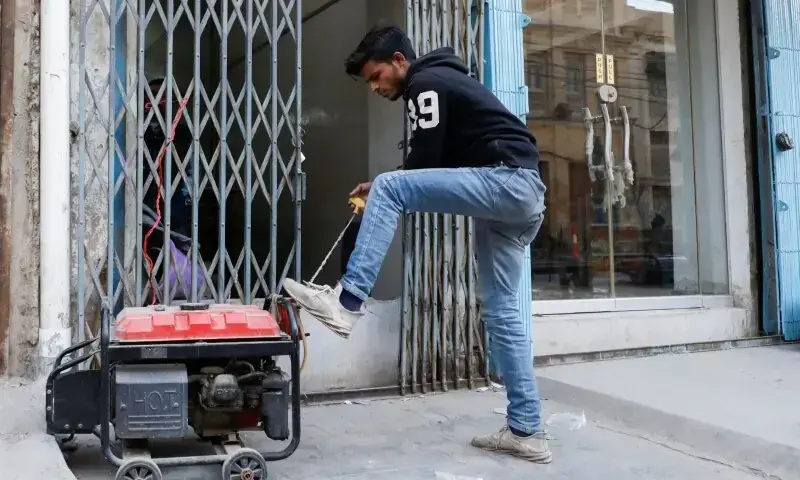
RAWALPINDI: The Islamabad Electric Supply Company (Iesco) on Tuesday announced an end to the ‘load management’, promising uninterrupted and quality power supply through an efficient system operation.
According to Iesco spokesman Raja Asim, there is at present no shortage of electricity in the region and required power is being provided by the national grid station.
Following the restoration of normal operating conditions, electricity demand and supply are being continuously monitored, he said.
“As a public utility company, ensuring the continuity of electricity supply to its valued consumers across the IESCO region remains the foremost priority of the IESCO Management.
Recent unprecedented heatwave resulted in exceptionally high electricity demand, says official
“IESCO is fully committed to providing a reliable, uninterrupted, and quality power supply through efficient system operation, preventive maintenance, continuous network monitoring, and the prompt restoration of supply in the event of any unforeseen outage,” he said.
About the June 29 and 30 as well as from July 1 to July 5 load-shedding issue, he said that the country experienced an unprecedented heatwave, resulting in exceptionally high electricity demand and placing extraordinary stress on the power distribution network.
He said that it forced the company to start scheduled load-management wherever necessary in accordance with system requirements. Some temporary interruptions also occurred due to emergent technical faults arising from excessive loading of the distribution system.
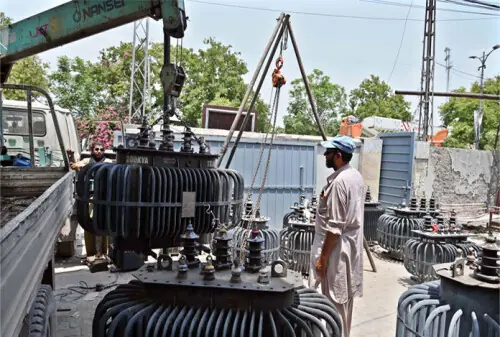
“These technical faults included the failure of distribution transformers, burning or loosening of jumpers, and faults in underground power cables caused by excessive electrical loading, high ambient temperatures, and moisture,” he said.
In such situations, he added, emergency permit to work (PTW) shutdowns became essential to safely repair or replace the damaged equipment and restore electricity supply at the earliest possible time.
Furthermore, particularly in Rawalpindi city where several 11kV overhead feeders are installed on common pole structures and multiple underground feeders share common cable trenches and manholes, isolating a faulty feeder often required the temporary shutdown of adjacent healthy feeders to ensure the safety of maintenance personnel and facilitate repair work.
“Such shutdowns are purely technical and safety-related in nature and should not be interpreted as load management,” he said.
“IESCO sincerely regrets any inconvenience caused to its valued consumers during this period and appreciates their patience and cooperation. The company remains steadfast in its commitment to strengthening the distribution system and providing safe, reliable, and efficient electricity services across its entire service territory,” said the spokesman.
Published in Dawn, July 8th, 2026