0
0

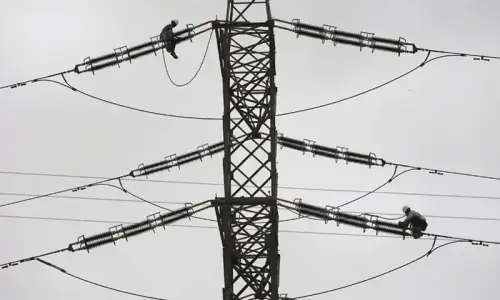
UNDER consumer protection principles and utility service norms, damage caused by unsafe electricity supply, negligence or system failure should not simply be pushed onto the consumer. In practice, consumers often find it difficult to prove loss, reach the right official, or obtain compensation for damaged appliances and business disruption. If the company’s system causes damage, there must be a transparent, quick and independent process for compensation claims.
Karachi’s citizens deserve more than K-Electric (KE) helpline numbers. They deserve a public dashboard showing fault history area by area, average restoration time, voltage complaints, compensation claims filed, claims accepted, rejected claims with reasons, and names and designations of responsible offices.
KE uses all due technology in billing, monitoring, apps and complaint registration. The same technology should be used for transparency, not merely control. The demand is simple: KE must stop operating like an untouchable power empire. It must act like a public utility answerable to the people who fund it through their monthly bills. The National Electric Power Regulatory Authority (Nepra) must enforce service standards. The Securities and Exchange Commission of Pakistan (SECP) must ensure corporate accountability. Government authorities must not treat Karachi’s electricity consumers as helpless subjects of a private monopoly.
KE was created through privatisation to provide electricity to Karachi with the promise of better service delivery. Today, the question is whether that promise has been fulfilled. If not, then regulators must intervene with seriousness, not silence. Karachi cannot remain at the mercy of KE complaint numbers and unanswered responsibility.
A city that pays for power surely has the right to have access to reliable supply. A consumer who suffers loss has the right to compensation. A public utility with mono-poly power has no right to hide behind systems that are unresponsive. KE must be examined not only as a company, but as a test case of public accountability.
Amir Esbhani
Karachi
Published in Dawn, June 20th, 2026