KP BUDGET 2026-27 : KP unveils Rs524.3bn development outlay


• Infrastructure claims lion’s share with 44pc of total budget; Shariah-compliant Takaful insurance gets Rs3bn operational push
• Rs12bn disaster fund established to tackle climate vulnerabilities; Rs2.5bn allocated for EV incentive
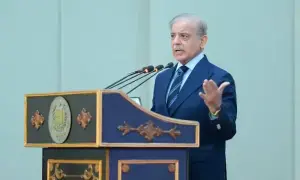
PESHAWAR: Chief Minister of Khyber Pakhtunkhwa Sohail Afridi on Friday unveiled a total development outlay of Rs524.3 billion for the 2026-27 fiscal year, structuring the expenditure around strategic priorities including youth empowerment, good governance, and climate resilience.
The proposed budget is Rs84bn lower than the current development portfolio, based on the revised development expenditure of Rs608.5bn. The actual development outlay for the outgoing year is Rs547bn.
Out of the total proposed allocation for development in the province, Rs. 431.4bn has been earmarked for the settled districts, while Rs40.6bn has been allocated for the development of merged districts.
An additional Rs52.3bn has been allocated for the Accelerated Implementation Programme (AIP) for the tribal districts. The combined proposed development outlay for the erstwhile tribal regions stands at Rs92.9bn.
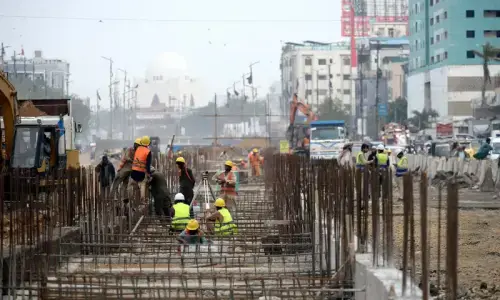
According to the budget documents, 44 per cent of the total development outlay has been allocated for infrastructure development, 19pc for social sectors, 13pc for governance, 10pc for multi-sectoral development, 9pc for production sectors, and 5pc for green development initiatives.
The development expenditure has been structured around strategic priorities, including youth empowerment, the Ehsaas Awam Ka initiative for good governance, service delivery, social safety nets, reducing regional disparities, economic growth and job creation, urban and rural water conservation, climate resilience, green growth and biodiversity, clean drinking water for all, digital advancements, and a safe KP.
A major portion of the development budget has been allocated across key sectors. Rs47bn has been allocated for the district ADP, Rs39bn for the road sector, Rs38bn for urban development, Rs20bn each for the home department and multi-sectoral development, Rs18.9bn for water, Rs. 16.3bn for health, Rs10bn for drinking water and sanitation, Rs7bn for elementary and secondary education, and Rs5.5bn for higher education.
Several targeted development initiatives and new allocations were also highlighted in the budget.
Environmental initiatives
To address environmental vulnerabilities, the Disaster Risk Management Fund has been introduced with an allocation of Rs12bn, compared to no allocation in the previous fiscal year.
To support environmental goals and reduce emissions, Rs2.5bn has been allocated under an Electric Vehicle Adoption Incentive programme to encourage the transition from fossil fuel-powered transport to electric vehicles, addressing urban air pollution, fuel costs, and carbon emissions in major cities of the province.
Education and employment
For higher education support, Rs2bn has been allocated for the Interest-Free Loans for University Students programme, aimed at ensuring access to higher education for deserving students by providing repayable zero-interest financing after graduation and employment.
Another Rs2bn has been allocated for the Interest-Free Loans for Overseas Immigrant Workers programme to support citizens seeking employment abroad by covering migration-related costs, including travel, documentation, training, and placement fees.
The Higher Education Department will also receive Rs1.5bn under the Flexible Hiring of Lecturers in Higher Education Department programme, designed to address faculty shortages in public sector institutions through contractual recruitment.
Digital sector and others
A new Artificial Intelligence Authority has been proposed with an allocation of Rs1bn, aimed at promoting the use of AI technologies in governance, public service delivery, and the private sector.
In the digital sector, Rs500m have been allocated for the Free Public WiFi for Peshawar initiative to expand internet access in public spaces and educational institutions.
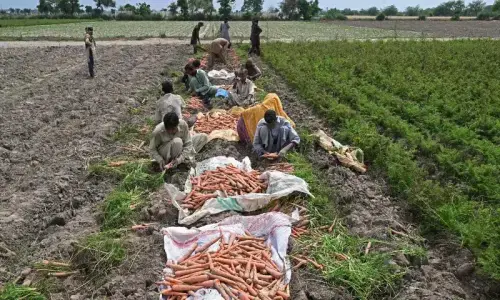
The DAP (Di-Ammonium Phosphate) Fertiliser Subsidy has been increased from 600 million to 2bn rupees, representing more than a threefold increase aimed at supporting agricultural productivity.
The budget also includes Rs2bn for interest payment on account of Ehsaas initiatives, covering financing-related obligations linked to social protection programmes under the Ehsaas framework.
Additionally, Rs3bn has been allocated for KP Takaful Insurance Companies’ initiative to promote Shariah-compliant insurance services, addressing low insurance penetration due to religious sensitivities around conventional financial products.
Published in Dawn, June 20th, 2026