Vast areas of coral reef could resist climate change: study
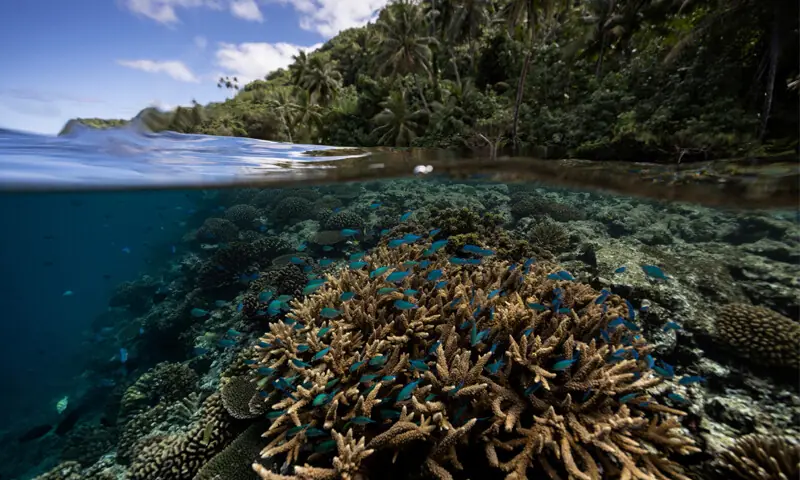
SINGAPORE: Scientists have identified nearly 166,000 sq km of coral reefs that are capable of surviving and recovering from climate change, three times more than previously estimated, research showed on Tuesday.
The world’s coral reefs, which sustain a quarter of all marine life, have come under severe stress as a result of violent tropical storms, pollution and mass “bleaching” events caused by soaring ocean temperatures, with some scientists warning that they are facing irreversible decline.
But an analysis of 45,000 coral surveys together with decades of climate and ocean data has identified climate-resilient reefs across 71 countries and 100 territories, including in parts of the Caribbean and the Pacific and Atlantic oceans that have not previously been recognised. “Coral reefs are often framed as ecosystems beyond saving,” said Emily Darling, director of coral conservation at the Wildlife Conservation Society (WCS) and one of the report’s authors.
“This research shows otherwise: we know where the hope is and what we need now is political will.” Countries are currently drawing up action plans aimed at bringing 30pc of their land and marine environments under formal protection by the end of the decade, a target known as “30 by 30”, and the new research will enable governments to consider the location of coral reefs in their planning.
“Only 28pc of the reefs currently fall within protected and conserved areas, so the opportunity is clear, and so is the urgency, especially as we face an upcoming super El Nino event,” Darling said at a briefing. Stacy Jupiter, co-author and executive director of the WCS’s Global Marine Programme, said the data could give governments the information required to decide where limited funds are deployed and give the more resilient reefs the best possible chance of surviving.
Published in Dawn, June 17th, 2026