0
0

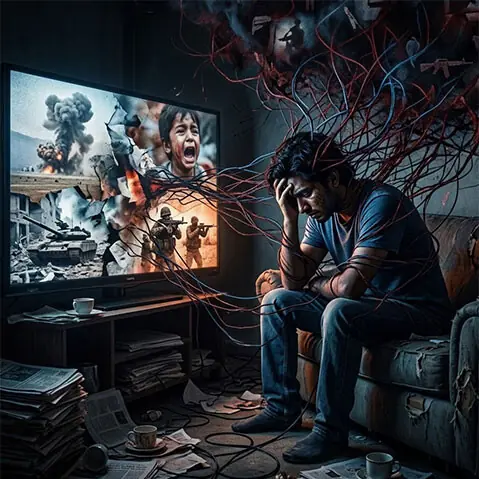
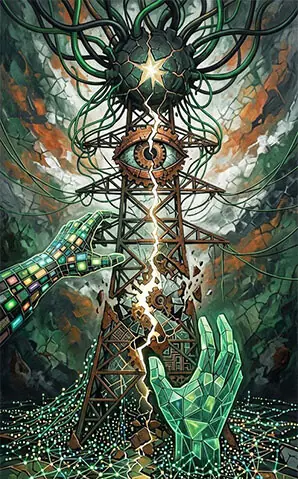
IT is critical to recognise that adolescents and young adults are silently carrying the weight of global and local crises. Daily exposure through social media and news feeds immerses them in images of des-truction and suffering. These events do not just shock; they infiltrate developing minds, producing secondary trauma, also called trauma by proxy or second-hand trauma, which alters mood, sleep, appetite and sense of safety.
I recently saw a teenage boy who could not sleep, was not eating properly and was withdrawing from friends and activities after repeatedly watching news of wars and conflicts.
He is not alone. Many adolescents internalise the stress of global events as if they are happening to them directly. Over time, this silent suffering manifests as anxiety, depression, irritability, emotional detachment and difficulty trusting others. Adults and professionals — teachers, doctors, first responders — are also affected, showing burnout and reduced empathy, weakening community cohesion.
Families can create protective spaces by moderating exposure to graphic media, discussing events openly, maintaining routines and modelling coping strategies. Schools must integrate emotional literacy, stress management, media awareness and provide access to counselling. Media and governments share responsibility: reporting should be contextual, avoid sensationalism and ensure mental health support is visible and accessible.
The consequences are societal. Conti-nuous exposure fosters helplessness, emotional blunting and disengagement, eroding empathy, civic responsibility and trust in institutions.
Immediate, coordinated action is essential. Protecting adolescents from the silent toll of vicarious trauma is not optional — it is an urgent moral and social obligation.
Dr Munsif Ali
Rawalpindi
Published in Dawn, June 13th, 2026