0
0
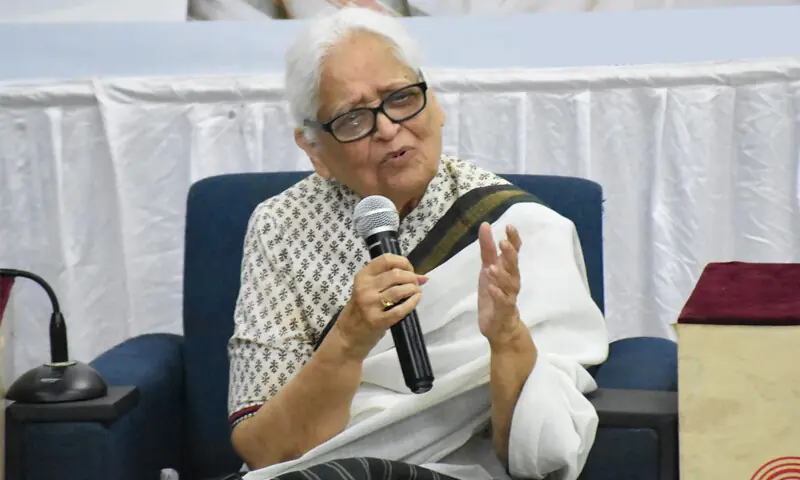

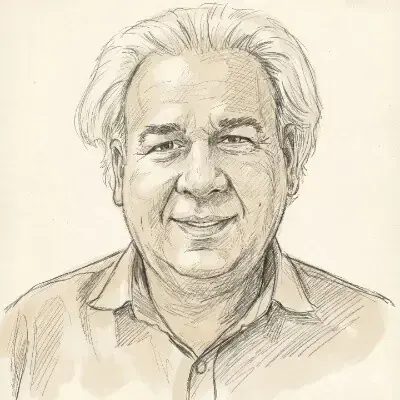
KARACHI: Friends, colleagues and members of the family of distinguished writer, translator and publisher Dr Asif Farrukhi shared their views on his life and work on his sixth death anniversary on Monday evening at the Arts Council of Pakistan’s Josh Malihabadi Library.
Poetess Zehra Nigah, who presided over the programme, said to her Dr Farrukhi was like a younger brother. “On every Eid day, he, along with his wife and children, was the first one to visit me. He used to say that it was his mother that he would greet on Eid day first, but her (Nigah’s) place fell before his mother’s, so he’d always come to her. And to him, both places had the same value.”
Quoting a line from one of his essays, she said, “I don’t lament those who have left us; I regret those who have lagged behind.” She called the line ajeeb-o-ghareeb (strange) and added he, too, did not stay in the world for long.
Critic and writer Nasir Abbas Nayyar, who spoke via video link from Lahore, said Dr Farrukhi’s absence is felt to date, because he had worked a lot in different fields and his accomplishments were exemplary — be it holding festivals or translating books or writing critiques. “He was not a one-dimensional person because of his family background, and because he knew multiple languages.
Mr Nayyar said the main focus of Dr Farrukhi’s work was fiction. “Not only he came out with eight collections of short stories, most of the translations that he had done were of works of fiction. Today translating a book has become easy, but it was not so during his time. The late writer translated books from world literature — American literature, Latin literature, European literature etc.”
Dr Farrukhi’s brother Tariq Aslam talked about the author as a sibling and showered praise on him as a family man. He also read out his son’s poem that he wrote after his uncle’s passing.
Indian novelist Khalid Jawed, who spoke from Delhi, said Dr Farrukhi was an extremely well-read man. “He had a vast knowledge of regional literature. He was familiar with writers writing in Malayalam or Tamil languages.”
Novelist and poet Syed Kashif Raza talked about Dr Farrukhi’s ability to translate. He said in the 1980s, the effort to translate material into Urdu came across as a literary movement. Dr Farrukhi and Ajmal Kamal did exceptional translations from a very young age. “When Dr Farrukhi translated Siddhartha by Hermann Hesse, he was barely 23 or 24 years of age… I have read Siddhartha in English and Punjabi, but none matched Dr Farrukhi’s Urdu translation which carried the cultural essence of the land he came from.”
Ameena Saiyid went down memory lane to tell the audience, which had turned up in a big number, about the time when she and Dr Farrukhi worked together to organise cultural festivals.
Noor Ul Huda Shah, Afzal Syed, Dr Ambareen Haseeb Amber, Ahmed Shah, Iqbal Khursheed and others also spoke.
Published in Dawn, June 3rd, 2026