Federal govt extends closing times for markets, restaurants under austerity measures


 0
0

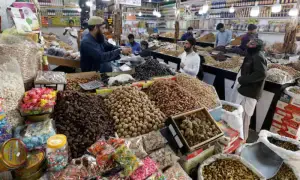
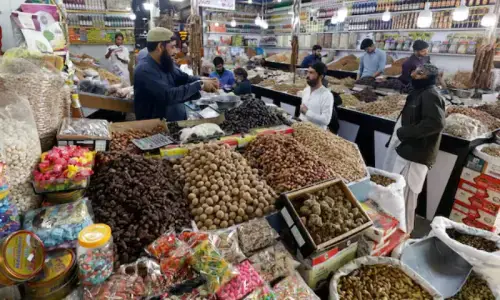
The federal government on Tuesday decided to extend the operating hours of shops, markets, restaurants and other commercial outlets as part of its ongoing austerity measures, citing longer daylight hours and rising summer temperatures.
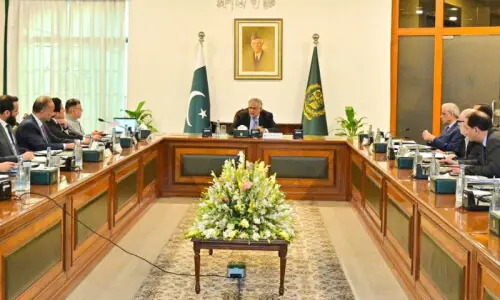
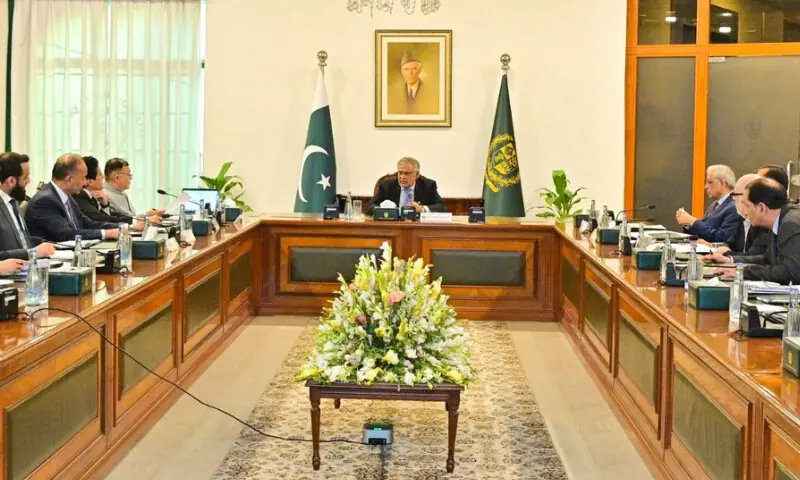
The decision was taken at a meeting of the Committee for Monitoring and Implementation of Austerity Measures, chaired by Deputy Prime Minister and Foreign Minister Ishaq Dar.
The government had announced unprecedented austerity measures on March 9 in the wake of the Middle East war to deal with the global energy crisis, which had arisen due to the closure of the Strait of Hormuz.
As per the revised schedule, the closing timings are as follows:
- Shops, markets, malls, and general retail: 9pm
- Restaurants, cafes and eateries: 11pm (takeaway and delivery services exempt)
- Marriage halls and event venues: 10pm (no change in timings)
- Essential services (pharmacies, hospitals, fuel stations, IT & telecom-related services) are exempted.
“The Committee also directed provincial governments to ensure effective implementation of these guidelines in coordination with federal authorities,” the statement said.
On May 11, PM Shehbaz had extended the countrywide austerity drive till June 13.
The measures extended included 50 per cent reduction in fuel allowance for official vehicles, with the exemption of operational vehicles such as ambulances and public buses.
Other steps included grounding 60pc of official vehicles and a complete ban on foreign visits by ministers and government officials, excluding those deemed essential for the country’s interests, as specified the last time.
Among previously announced austerity measures, the working week for all government offices was reduced to four days — Monday to Thursday.
However, the additional holiday was not availed by banks. It did not apply to the agriculture and industrial sectors, or essential services such as hospitals and ambulance services.
Under the measures, the salary of parliamentarians was to be cut by 25pc, while employees of state-owned enterprises (SOEs) and government-supervised institutions were to see their salaries cut by 5pc-30pc.
Expenses of government departments were reduced by 20pc, along with a ban on purchasing vehicles, furniture, air conditioners and other items for government departments.