0
0

IT is ironic that a stable economy has done little to improve people’s lives. As the current PML-N government prepares its third federal budget, the macroeconomic indicators are much better than the emergency figures of 2022-23. The IMF programme is on track, primary surpluses have been recorded and the government has a defensible ‘economic management’ record to boast of.
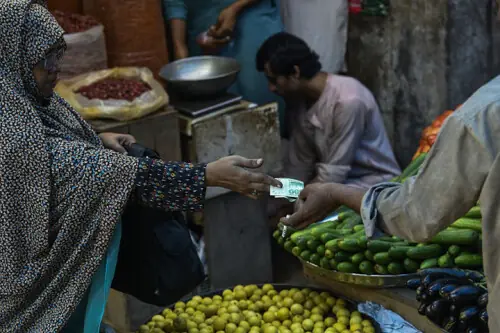
And yet, citizens feel that the economy is going nowhere. Industries operate below capacity. Investment has stalled. Real wages have not recovered from years of inflation. Millions of young Pakistanis enter the labour market to find it cannot absorb them, and many are leaving the country for greener pastures abroad. This is not a picture of an economy recovering but of one that has been stabilised into stagnation. Sadly, the contours of the next budget offer little hope that the government understands this.
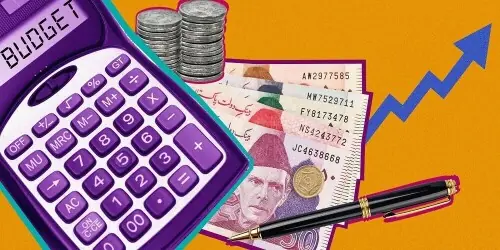
If anything, the upcoming budget will be a document designed to satisfy the IMF rather than the needs of the people. The FBR faces a revenue target of Rs15.3tr, representing a 14pc hike over a figure already revised down twice this year. The IMF has upgraded the target to ‘quantitative performance criteria’, making it binding on the government to achieve it. The budget will therefore be designed around a number that must be achieved to keep external financing flowing, and not around what citizens can bear.
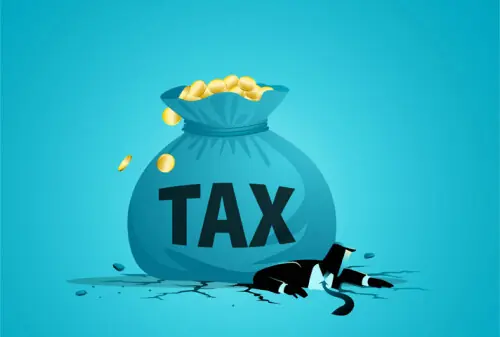
The government is reportedly considering modest salary tax relief, but the concession could increase the revenue gap. To make up for this revenue loss, we will see budget-makers raise costs elsewhere. Mistaking IMF compliance for sound economic management is what is driving the economy into deeper stagnation. The growth model is broken. Every time economic activity accelerates beyond a modest threshold, imports surge because we depend heavily on foreign machinery, fuel and raw material. Exports fail to keep pace, the current account widens, reserves come under pressure — and the cycle restarts. This pattern now resembles a law of economics, when, in fact, it is sustained policy failure. This very pattern makes a case for austerity and stabilisation. Our external account remains vulnerable to oil price shocks and remittance fluctuations, and premature easing could trigger another import surge.
Clearly, stability is not enough. Nor is austerity a reform. We are already facing the consequences of austerity. Without governance reforms, it has led the economy into low-growth equilibrium — stable enough to avoid collapse, but too weak to generate jobs. Stability without growth reforms is not policy. It is a crisis waiting to return. The new budget is unlikely to respond to this challenge. Unfortunately, it will not address the structural reasons why Pakistan keeps finding itself at the IMF’s door.
Published in Dawn, June 1st, 2026