Sindh collects Rs1.5tr in cess as roads stay broken
HYDERABAD: A member of the Executive Committee of the Federation of Pakistan Chambers of Commerce and Industry (FPCCI), Adeel Siddiqui, has deplored the poor state of industrial infrastructure in Sindh, particularly in the Hyderabad and Kotri industrial estates.
In a statement issued on Saturday, Mr Siddiqui said the condition of industrial areas remained deplorable despite the collection of more than Rs1.5 trillion in infrastructure cess on imports over the past five years.
Mr Siddiqui, who is also a member of the ruling Businessmen Panel (Progressive) Supreme Council in the FPCCI, said that while industrialists continued to grapple with federal-level issues such as high energy tariffs, fluctuating interest rates and a complex tax regime, the Sindh government had failed to provide even basic civic amenities in industrial zones.
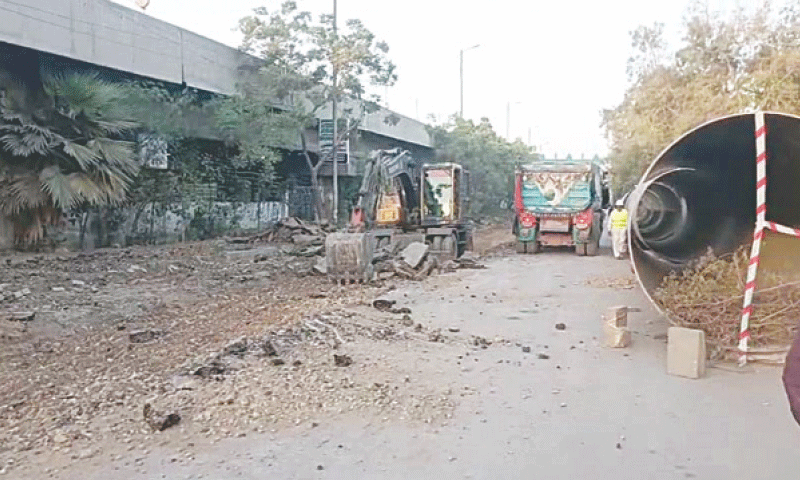
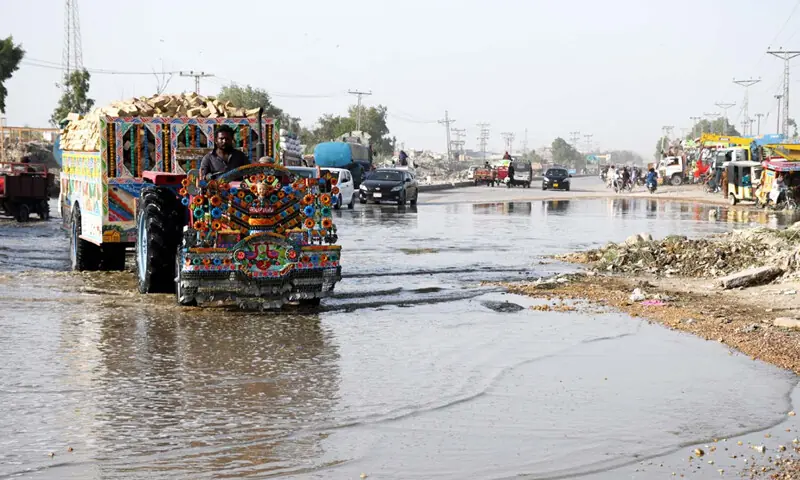
He said road networks in the Hyderabad and Kotri SITE areas had deteriorated badly despite the movement of thousands of trucks and containers through them every day.
FPCCI slams provincial govt over crumbling Hyderabad and Kotri industrial estates
“Industrial units are incurring huge losses because of transportation delays, vehicle damage and safety hazards. In the 21st century, we are navigating potholes and broken roads like a war zone,” he said.
Mr Siddiqui noted that the Sindh government had imposed a 1.85 per cent infrastructure cess on imports and that the levy had generated over Rs1.5tr during the past five years. He called for making public details of the utilisation of the funds.
Infrastructure deficiencies have long remained a major concern for industries operating in the Sindh Industrial Trading Estate (SITE), Hyderabad, where units continue production despite inadequate water supply, damaged roads, poor drainage and the absence of functional treatment plants.
Established in 1952 over 1,264 acres, Hyderabad SITE is home to around 665 industrial units, of which about 450 are functional, according to SITE officials.
Most are linked to the food sector, producing edible oil, pulses and rice, and serve the agriculture-based economy of lower Sindh.
“Water supply, drainage and treatment plants are the main issues affecting this 74-year-old industrial area,” a SITE official said.
He said development work on internal roads and drainage was under way after a gap of more than a decade, but added that even the completion of the ongoing schemes would not fully address the area’s infrastructure requirements. He referred to Rs1.10bn worth of projects currently being executed for road and drainage improvements.
Questioning the utilisation of infrastructure cess revenues, Mr Siddiqui said the levy had been introduced specifically for the development and maintenance of industrial infrastructure.
“Where has this money gone over the years? Why are Hyderabad and Kotri industrial estates still deprived of much-needed development?” he asked, adding that the Sindh government owed an explanation to taxpayers and industrialists.
He also expressed concern over water shortages in some of Sindh’s largest industrial zones, saying many industries were either forced to curtail operations or purchase water through private tankers at high cost, making production less competitive.
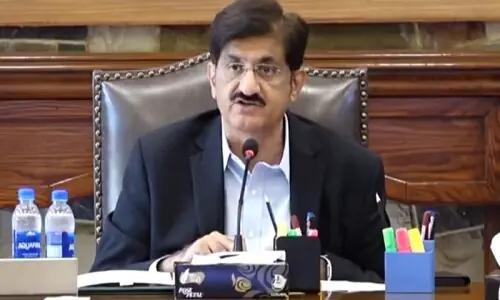
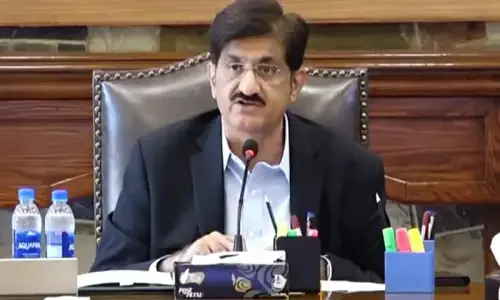
Mr Siddiqui appealed to PPP Chairman Bilawal Bhutto and Chief Minister Syed Murad Ali Shah to establish a provincial investment facilitation body on the lines of the Special Investment Facilitation Council (SIFC).
He said such an institution should be vested with administrative and financial authority to address provincial-level issues, including roads, water supply, sewerage, electricity and law and order in industrial areas. Without such measures, he warned, industrialisation in Sindh would continue to decline.
He also urged the PPP chairman and the chief minister to visit the Hyderabad and Kotri industrial estates to witness the deteriorating infrastructure firsthand.
Published in Dawn, May 31st, 2026