Early closures hit retail sales hard
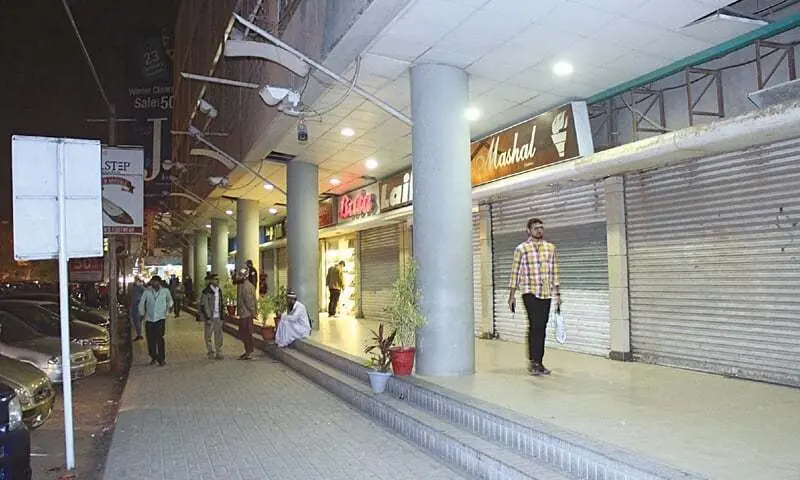


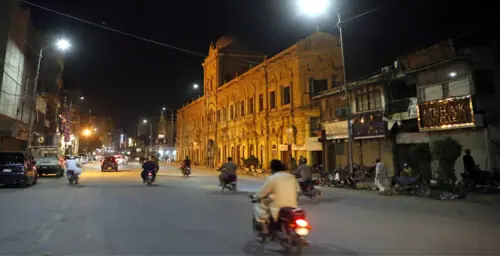
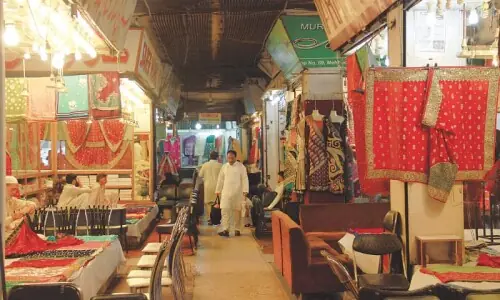
KARACHI: The government’s market closures by 8:00-9:00pm have led to a 25-30 per cent drop in formal retail sales across 35,000 outlets, a weekly Rs100 billion decline in recorded economic activity, reduced workforce income, second-shift layoffs, and a risk to 13,000 point-of-sale-integrated businesses.
By shortening market operating hours, the government sought to decrease energy use, promote earlier shopping to shift demand, reduce peak electricity loads, and encourage early daily routines aligned with Western practices.
Chain Store Association of Pakistan (CAP) Chairman Asfandyar Farrukh told Dawn that overall consumption has not declined, as peak-hour demand persists after 7:00pm due to increased evening consumer footfall.
He said informal markets and many other sectors stay open late at night, thus increasing undocumented transactions, reducing general sales tax and income tax collections, and lowering POS collections.
Rs100bn weekly activity lost
Mr Farrukh said there are limited energy savings because restaurants, entertainment areas and malls remain active while efficient commercial users shut early. “Consumption has not reduced. It has shifted to the undocumented economy,” he said.
Pointing out three solutions, he said one is to extend retail hours until 10:00pm to align with consumers’ post-work routines and regional benchmarks to maximise documented sales.
Secondly, align retail, restaurant and entertainment opening hours to reduce distortions and improve energy efficiency. Thirdly, he urged the government to implement daylight saving time by advancing the clock by one hour, which would yield estimated annual savings of approximately $500 million.
Malls in Saudi Arabia, Turkiye, Indonesia, Malaysia and Egypt remain open until 10pm to 11pm, with shopping hours extended during peak season, he said.
War impact
Mr Farrukh ruled out any panic buying of commodities due to the Middle East conflict. Consumers with cash liquidity are keeping their stocks as full as possible, expecting price hikes and possible shortages, he said, adding that those facing a cash crisis are compelled to buy unbranded, low-quality items.
“Actually, panic buying means overbuying and emptying of shelves, but the markets do not see such types of situations,” he said.
But because of low purchasing power, he said many people are trading down brands/quality instead of buying the same brand/quality as before. Also, until one week ago, people thought the conflict would end quickly.
“Now many people are expecting the closure of the Strait of Hormuz to last longer and possibly result in price hikes and shortages of essential goods,” the CAP chief said.
Rida Fatima at Sherman Securities expects headline inflation in April to be 10.2 per cent year-on-year compared with 7.3pc in the previous month. The average CPI is estimated at 6.1pc during 10MFY26. On a monthly basis, CPI is expected to increase by 1.8pc, she said.
Published in Dawn, April 29th, 2026