Iran FM Araghchi says he discussed conditions for continuing US talks with ‘friends in Pakistan’


 0
0
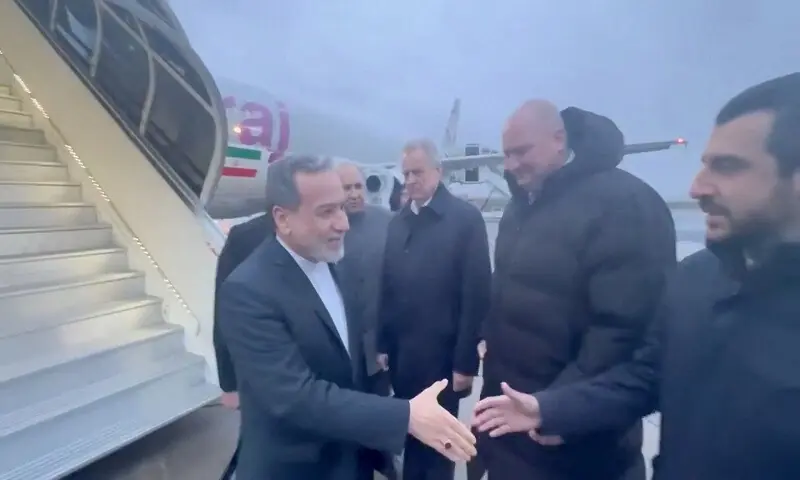

Iran’s Foreign Minister Abbas Araghchi on Monday said he discussed with “friends in Pakistan” the “path and conditions” under which Tehran could continue its dialogue with Washington during his recent visit to Islamabad.
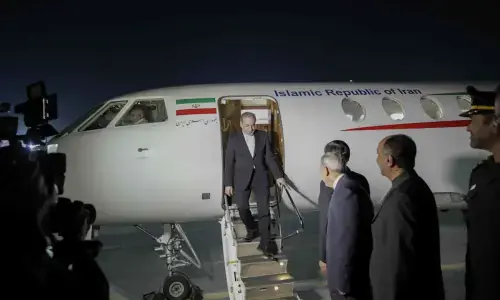
After visiting Pakistan twice in two days and making a trip to Oman in between, Araghchi arrived in Russia on Monday as part of his regional tour.
In a statement issued on his Telegram account, the Iranian FM provided an overview of his diplomatic engagements over the past few days.
Terming his trips to Islamabad and Muscat as “bilateral”, Araghchi said: “As for Pakistan, this country has recently played an important role in mediating the negotiations between Iran and the United States, and it was necessary for us to discuss the latest developments.
“However, there have been developments in the negotiations, and the wrong approaches and excessive demands of the United States have prevented the previous round of negotiations from achieving their goals despite the progress. Therefore, it was necessary to consult and review the current situation with our friends in Pakistan,” he added.
The minister recalled that the Iranian side had “good consultations with our friends in Pakistan, which, thank God, was a very successful trip”.
“We reviewed what has happened and talked about the path and conditions under which the negotiations can continue,” Araghchi stated.
He asserted that “40 days of heroic resistance of the Iranian people should enable us to secure the rights of the Iranian people, their independence, and the interests of the country”.
About Oman, Araghchi noted it was a “friendly and close country” to Iran, hailing Muscat’s “very good positions” during the Middle East conflict.
“It was necessary for us to have a meeting to establish broader relations with our neighbours, especially in the Persian Gulf, so that we could manage the existing problems,” he emphasised.
He highlighted it was “necessary to have consultations” regarding the Strait of Hormuz as Iran and Oman were the two coastal countries on the key waterway.
“Safe passage through the Strait of Hormuz is an important and global issue, and we and Oman, as two countries overlooking this strait, need to have close coordination to ensure common interests. In any action taken in this regard, the interests of Iran and Oman are directly involved,” Araghchi stated.
He noted there was a “lot of common ground” between Iran and Oman, adding that the two sides have agreed to continue consultations at expert levels.
On Russia, the minister observed Iran had “always had close consultations with Russia and have had continuous and bilateral consultations on a wide range of issues, especially regional issues”.
“For a while, there was a gap in meetings due to the imposed Ramazan war. We took advantage of this opportunity and, in continuation of my trips to Pakistan and Oman, a trip to Russia was also arranged,” he said.
Araghchi said the visit to Russia would aim to consult “with our Russian friends about the developments related to the war during this period and the current situation, and to review the latest situation”. “It is natural that the necessary coordination must also be made.”
Araghchi arrived in Saint Petersburg on Monday, the Iranian Foreign Ministry said on Telegram.
The Iranian FM held talks with Russian President Vladimir Putin during the visit and told him he hoped the Iranian people would weather what he described as a “difficult period” and that peace would soon prevail.
According to Russian state media, Putin told Araghchi that “we will do everything that serves your interests and the interests of all the peoples of the region to ensure that peace is achieved as quickly as possible”.
“Last week I received a message from Iran’s supreme leader. I would like to ask you to convey my most sincere thanks for this and to confirm that Russia, like Iran, intends to continue our strategic relationship,” Putin added.
For his part, Araghchi said relations between Russia and Iran would continue to strengthen and thanked Putin for Moscow’s support, the Russian state media reported.
Mediators have pushed to keep peace efforts between Tehran and Washington alive, following a flurry of regional diplomacy and the collapse of planned talks in Pakistan.
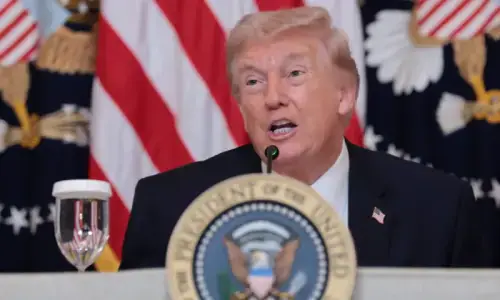
On Saturday, US President Donald Trump scrapped a planned trip to Islamabad by his envoys Steve Witkoff and Jared Kushner.
A day ago, Trump reiterated that talks with Iran would be held remotely and commended Pakistan, saying that Islamabad would “stay involved” in the process.
In a sign that efforts were ongoing, the Fars news agency said Iran had sent “written messages” to the Americans via mediator Pakistan outlining red lines, including nuclear issues and the Strait of Hormuz.
Fars said the messages were not part of formal negotiations, however.
US media outlet Axios reported on Sunday that Iran had sent a new proposal to reopen the Strait of Hormuz and end the war, with nuclear negotiations postponed for a later stage, citing a US official and two other sources with knowledge of the matter.
Iranian state news agency IRNA cited the report without denying it.
A ceasefire in the US-Israeli war with Iran has so far held, but its economic shockwaves have continued to reverberate globally.
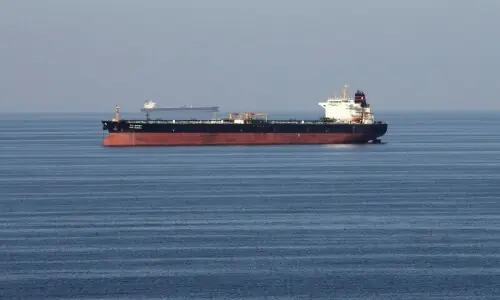
Iran has sealed off the strait, cutting flows of oil, gas and fertiliser and sending prices soaring, raising fears of food insecurity in developing countries. At the same time, a US blockade of the strait is in place.
Hopes for a second round of talks in Pakistan had centred on the planned visit by Witkoff and Kushner, but Trump cancelled the trip after Iranian state television said Araghchi had no plans to meet US officials there.
On Sunday, Trump told Fox News that if Iran wanted the talks, “they can come to us, or they can call us”.
Trump faces domestic pressure as fuel prices rise following Iran’s closure of Hormuz, with midterm elections due in November. Polls show the war is unpopular among Americans.
Safe transit
Asked whether cancelling signalled renewed fighting, Trump said: “No, it doesn’t mean that.”
On Saturday, Araghchi met Chief of Defence Forces and Chief of the Army Staff Field Marshal Asim Munir, Prime Minister Shehbaz Sharif and Foreign Minister Ishaq Dar, before travelling to Oman and returning to Islamabad.
Araghchi himself posted on X that the talks in Oman had focused on ensuring safe transit through Hormuz, “to benefit of all dear neighbours and the world”.
“Our neighbours are our priority,” he added.
Iran’s Revolutionary Guards said they had no intention of lifting their blockade, which has roiled energy markets.
“Controlling the Strait of Hormuz and maintaining the shadow of its deterrent effects over America and the White House’s supporters in the region is the definitive strategy of Islamic Iran,” the Guards said on their official Telegram channel.
The US has imposed a blockade of Iranian ports in retaliation.
Additional input from Reuters