0
0
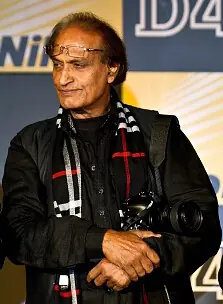
NEW DELHI: Acclaimed Indian master photographer Raghu Rai died on Sunday, his family announced. He was 83.
A construction engineer by training, Rai, born in what would become Pakistani Punjab before the partition of the Indian subcontinent, went on to become an iconic photographer documenting the complex social and political life of India.
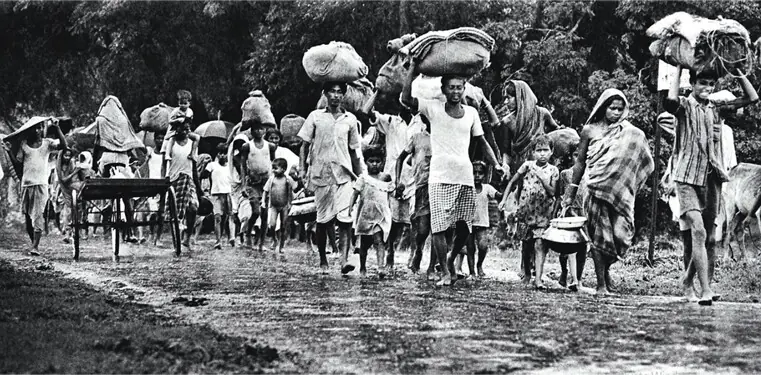
Some of his best-known works include documenting the creation of Bangladesh in 1971, and India’s worst industrial disaster – the 1984 Bhopal gas leak that killed an estimated 25,000 people.
In 2017, when Dawn published a special report on 70 years of Partition, Raghu Rai gifted some of his photographs documenting the 1971 split and creation of Bangladesh.
Rai won the inaugural Academie des Beaux-Arts Photography Award, and in 1972 received the Padma Shri, one of India’s highest civilian honours for his exceptional work.
Known for portraits of India’s political and social elite and photographing its culture and masses with equal alacrity, Rai’s intimate portraits of Mother Teresa hold a particularly special place.
Rai was a member of Magnum Photo, nominated to the prestigious New York-based cooperative by Henri Cartier-Bresson, who is known worldwide for his defining candid photography.
According to the Indian Express, Rai was introduced to photography by his photographer brother six decades ago, and published his first picture in The Times of London.
“He didn’t just take photographs, he preserved our nation’s memory,” India’s leader of the opposition Rahul Gandhi said.
Rai later moved to photojournalism, working with some of the nation’s best-known media houses of his time through the 1960s and 70s, before going solo in his quest to depict his vast country’s complexity.
Published in Dawn, April 27th, 2026