

Over 250 Indians claiming descent from Jewish tribe land in Israel
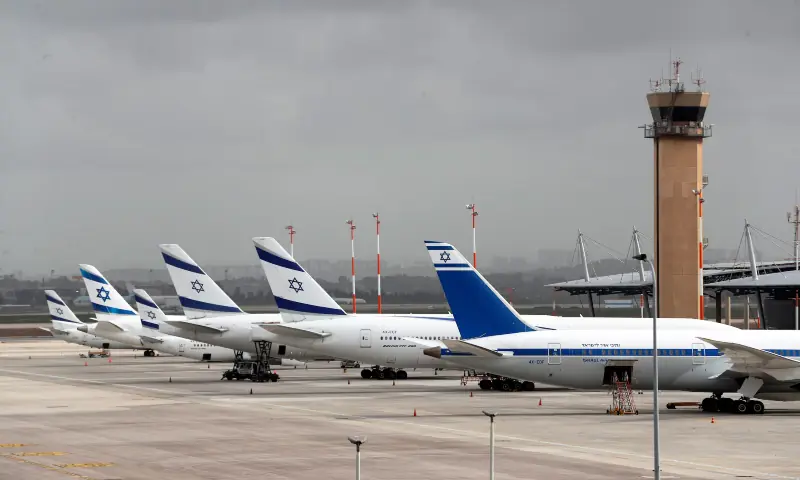
TEL AVIV: More than 250 Indians claiming descent from a ‘lost Jewish tribe’ landed at Tel Aviv airport on Thursday, as part of a government operation to relocate them to Israel.
They are the first “Bnei Menashe” (Sons of Manasseh) to arrive in Israel since the government decided in November to fund the immigration of around 4,600 members of the community from the state of Manipur, in north-eastern India.
The community claims to descend from Manasseh, the forefather of one of the biblical “lost tribes” of Israel exiled in 720 BC by Assyrian conquerors.
The Shavei Israel organisation, which seeks to trace the descendants of the lost tribes, said that some 4,000 Bnei Menashe have already migrated to Israel since the 1990s, with around 7,000 others still living in India.
Their oral history tells of a centuries-long exodus through Persia, Afghanistan, Tibet and China, all the while adhering to certain Jewish religious practices.
In India, they were converted to Christianity by 19th-century missionaries.
The 250 Bnei Menashe who arrived on Thursday are to settle in northern Israel, according to the ministry of integration.
They will need to convert in order to become Israeli citizens.
Immigration Minister Ofir Sofer, who welcomed the newcomers at the airport, said their arrival marked a “historic moment”.
“This is the beginning of an operation that will allow the entire community to immigrate, 1,200 per year,” he said.
Manipur has seen periodic clashes for nearly three years between the predominantly Hindu Meitei majority and the mainly Christian Kuki community that have killed more than 250 people.
Published in Dawn, April 24th, 2026




























