0
0

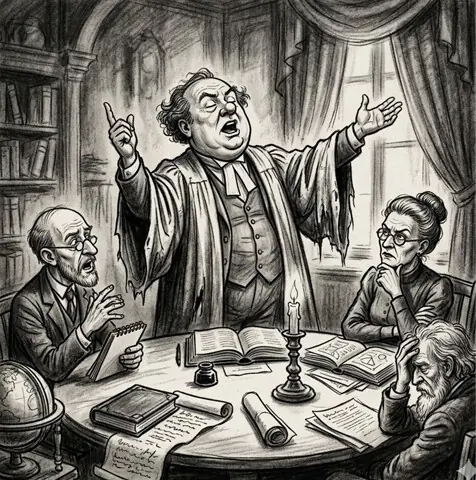
IN many social and academic gatherings, it is common to witness people discussing a complex research topic with unwavering confidence even when their arguments are poorly informed. Despite clear evidence and well-reasoned contributions from others, they project an air of authority, speaking as if their understanding is beyond question. This, in fact, reflects the Dunning-Kruger effect, a psychological phenomenon describing cognitive bias in individuals who have limited knowledge, but overestimate their competence, while true experts tend to underestimate their abilities.
This effect is particularly visible in universities, where critical discussion and evidence-based decision-making are expected. Overconfident individuals can dominate conversations, often oversha-dowing more informed perspectives. Competent colleagues may hesitate to challenge such assertions, either out of caution or self-doubt. The result is distorted ideas, weakened decisions, and a subtle but persistent challenge to academic culture.
Understanding the Dunning-Kruger effect is crucial for those running higher education. Universities can raise awareness through workshops on cognitive biases, training programmes on self-assessment, and structured mentorship that pairs junior scholars with experienced researchers. Embedding these practices in curricula and faculty development would help students and staff in critically evaluating their knowledge, seeking constructive feedback, and respecting true expertise.
Institutions can further address the effect by promoting reflective practices, structured peer reviews and merit-based recognition. Rewarding evidence-driven contributions strengthens scholarly debate and decision-making, helping align confidence with competence.
Ultimately, confidence alone is not a marker of genuine expertise. In essence, recognising the limits of knowledge while valuing informed input fosters meaningful dialogue, nurtures innovation, and improves research and teaching quality.
Waseem Hassan
Peshawar
Published in Dawn, April 22nd, 2026