Lebanon, Israel agree to direct negotiations after Washington talks


 0
0
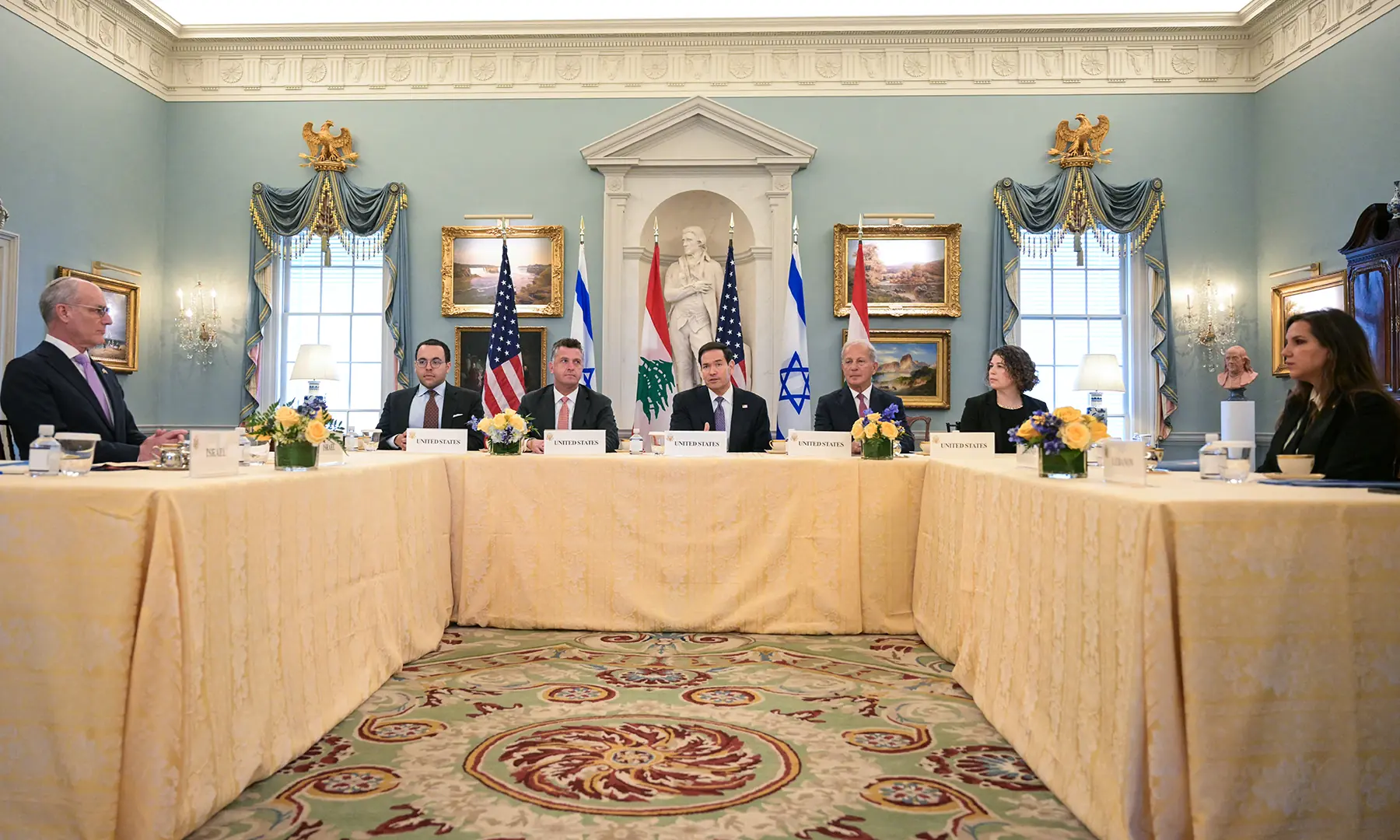

Israel and Lebanon agreed to direct negotiations following talks in Washington on Tuesday that US Secretary of State Marco Rubio had hailed as a “historic opportunity” for peace.
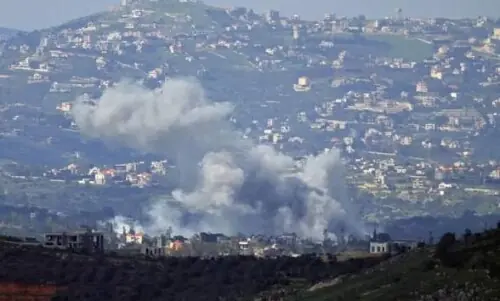
The two countries have technically been at war for decades, and Tuesday’s talks have been vehemently opposed by Hezbollah, which announced that it had fired rockets at more than a dozen northern Israeli towns just as the meeting was getting under way.
The United States is pressing for a halt to the conflict between Israel and Hezbollah, fearing it could derail the two-week ceasefire in Washington’s war with Iran after talks with Tehran in Pakistan failed to achieve a breakthrough.
Tuesday’s meeting in Washington, the first high-level direct talks since 1993, was mediated by Rubio and involved the Israeli and Lebanese ambassadors to the United States.
“This is a historic opportunity,” Rubio said as he welcomed the ambassadors, acknowledging the “decades of history” complicating the process.
“The hope today is that we can outline a framework upon which a current and lasting peace can be developed.”
Lebanon’s President Joseph Aoun had said he hoped the talks “will mark the beginning of the end of the suffering of the Lebanese people.”
A State Department spokesperson said afterward that discussions were “productive,” adding: “All sides agreed to launch direct negotiations at a mutually agreed time and venue.”
Israeli ambassador Yechiel Leiter said the two sides “had a wonderful exchange.”
“We discovered today that we’re on the same side,” he told reporters, saying both countries were “united in liberating Lebanon” from Hezbollah.
In a statement of her own, Lebanese Ambassador Nada Hamadeh Moawad called the meeting “constructive,” but said she had also called for a ceasefire and insisted on “the full sovereignty of the state over all Lebanese land,” among other issues.
Israeli forces are currently occupying parts of Lebanon’s south, and its government has resisted considering any ceasefire until Hezbollah is dismantled.
Israel’s Foreign Minister Gideon Saar said his country was seeking “peace and normalisation” with the Lebanese state, but said Hezbollah was the key problem and “needs to be addressed.”
Before the meeting, Hezbollah’s leader Naim Qassem had called for the negotiations to be scrapped and vowed to fight on.
Foreign ministers from 17 countries, including Britain and France, urged both countries to seize the chance to bring lasting security to the region.
The US State Department released a statement after the meeting saying the two sides had “productive discussions on steps toward launching direct negotiations”.
It set out each country’s positions but did not say they had reached any common ground. “All sides agreed to launch direct negotiations at a mutually agreed time and venue,” the statement said.
Additional input from Reuters