Russia, China veto UN resolution on Hormuz

• 11 states vote in favour, two against and two abstain, including Pakistan
• Western nations align with US
• Bahrain-drafted resolution called for defensive measures, urged Iran to halt attacks on infrastructure
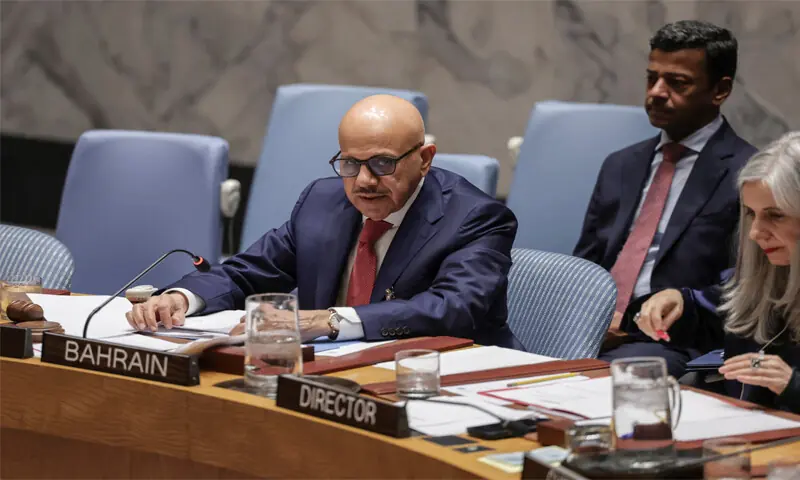
WASHINGTON: Russia and China on Tuesday vetoed a Bahrain-drafted resolution at the United Nations Security Council aimed at reopening the Strait of Hormuz, while Pakistan abstained, in a vote that underscores deep divisions among major powers over how to respond to the escalating crisis.
The draft received 11 votes in favour, two against, and two abstentions. Those voting in favour were Bahrain, the Democratic Republic of the Congo, Denmark, France, Greece, Latvia, Liberia, Panama, Somalia, the United Kingdom, and the United States.
Analysts suggest the vote may push the United States and Israel to focus on diplomatic solutions, while some observers in Washington warn it could lead them to consider more forceful military measures.
Russia and China, exercising their veto power as permanent members of the 15-nation Security Council, rejected the resolution. Pakistan and Colombia abstained.
The outcome is a setback for efforts by the US and Gulf Cooperation Council (GCC) to secure UN backing for reopening and securing the strategic waterway, coming just hours before US President Donald Trump’s self-imposed deadline for Iran to ensure safe passage through the Strait expired.
Drafted by Bahrain in coordination with GCC states and Jordan, the resolution strongly urged nations using the commercial route to coordinate defensive measures — including escorting merchant vessels — to guarantee safe navigation. It also demanded that Iran immediately cease attacks on commercial ships and civilian infrastructure, including oil, gas, and water facilities.
The Strait of Hormuz is a critical chokepoint through which roughly 20 per cent of global oil consumption and about a quarter of maritime-traded oil passes. Tensions have escalated since US and Israeli strikes on Iranian targets on Feb 28, followed by Iranian retaliatory action against Israel and Gulf states hosting US military facilities.
Iran has been accused of targeting commercial vessels and deploying naval mines, though it has allowed selective passage for ships it considers “non-hostile”.
Negotiations over the draft were protracted and contentious, with diplomats confirming that the text was revised six times. Earlier versions reportedly invoked Chapter VII of the UN Charter, which could have authorised the use of force.
Objections from Moscow, Beijing, and several non-permanent members led to its removal. The final text emphasised defensive coordination “commensurate with the circumstances,” respect for international law, and included a reporting requirement asking the UN secretary-general to brief the council within seven days and every 30 days thereafter on attacks and provocations affecting commercial shipping.
The voting pattern reveals key geopolitical fault lines. The 11 affirmative votes — including European members France, Denmark, Greece, Latvia, and the UK — signal Europe’s alignment with the United States despite occasional disagreements. Support from African and Latin American members such as the Democratic Republic of the Congo, Liberia, Panama, and Somalia indicates that many non-aligned states view disruptions in the Strait as a global economic threat rather than a narrowly regional dispute.
The joint veto by Russia and China reflects their determination to resist what they see as Western-backed measures that could legitimise expanded naval operations near Iran. Both countries argued that even softened language might open the door to coercive action.
Pakistan’s abstention is diplomatically significant. As a country with close ties to both the Gulf and China, Islamabad appeared to avoid full alignment with either bloc while also not openly challenging Washington.
Pakistan stressed the need to allow ongoing diplomatic efforts to resolve the crisis peacefully. Ambassador Asim Iftikhar Ahmad, Pakistan’s Permanent Representative to the UN, said Islamabad supports the resolution’s goals, particularly reopening the Strait and restoring normal maritime passage, but emphasised the importance of dialogue. “We continue to believe that time and space must be allowed for ongoing diplomatic efforts to facilitate a return to dialogue and engagement,” he added.
Colombia’s abstention suggests unease among some members about security implications.
Analysts note that although the resolution failed, the 11-2-2 vote shows that Washington retains substantial influence in the international community. The veto by Moscow and Beijing demonstrates their readiness to challenge US initiatives that intersect with their strategic interests.
Without Security Council authorisation, Washington and its allies may have to pursue maritime security arrangements outside the UN framework.
Published in Dawn, April 8th, 2026