0
0

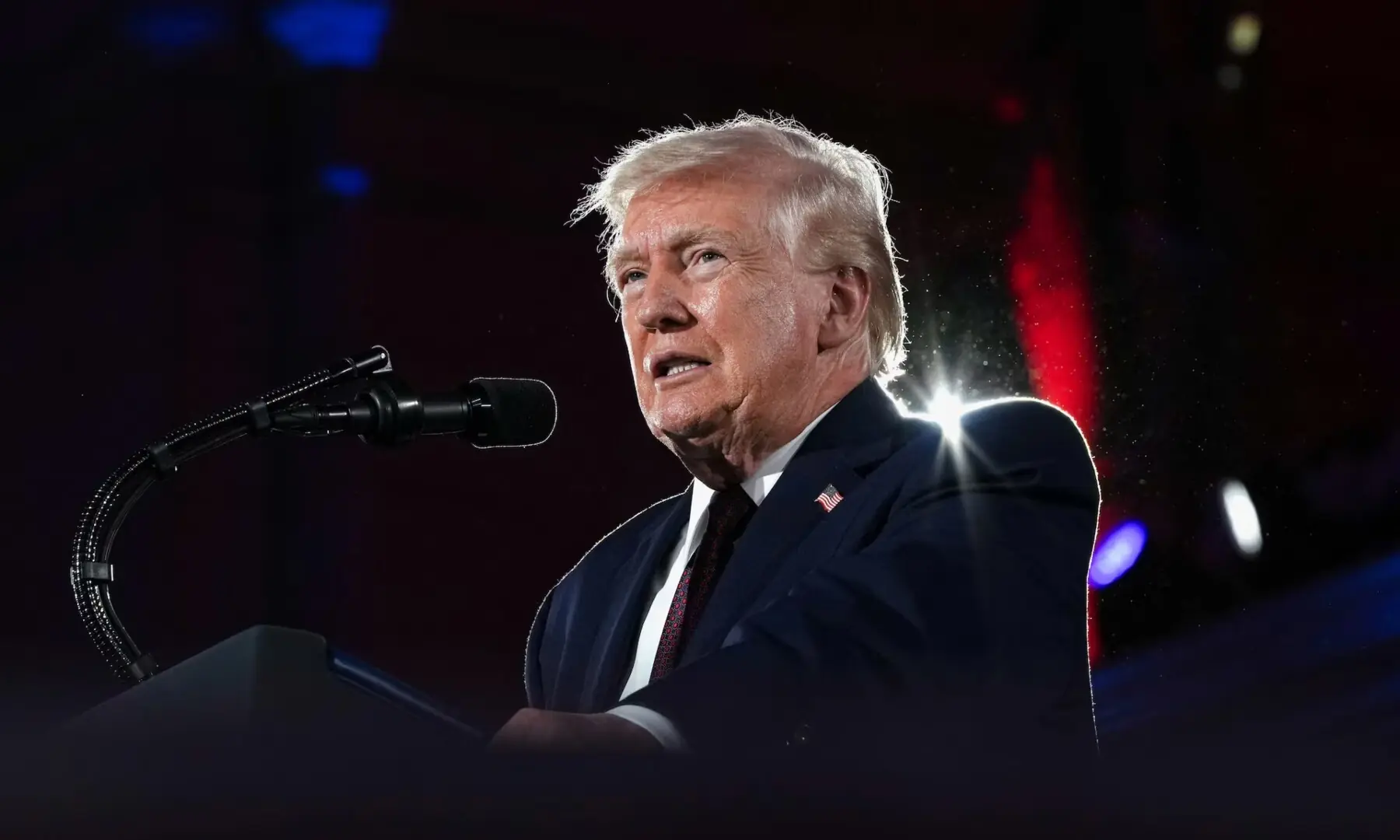
As the 32nd day of the US-Israel war against Iran drew to a close, all eyes were on US President Donald Trump’s speech later tonight, which diplomats and military analysts alike foresee as a defining moment that could set the next trajectory of the conflict, even as developments on the ground pointed less to de-escalation and more to an impending shift toward a higher risk escalation likely centred on control of critical maritime arteries.
Speculation around the speech dominated the information space, with Trump’s public messaging about a possible “two-to-three-week” exit widely interpreted as tactical ambiguity rather than a genuine off-ramp; particularly in light of parallel military movements that suggested preparation for escalation, including the deployment of 18 A-10 Thunderbolt II aircraft which are designed for close air support of ground troops, heightened alert status for elements of a Marine Expeditionary Unit, and sustained heavy lift air traffic involving C-17 and C-5 transports, alongside the forward positioning of carrier strike groups led by the USS Abraham Lincoln in the Arabian Sea.
The two broad scenarios that have emerged for the likely direction of the war are either a transition to a limited ground campaign aimed at forcibly reopening the Strait of Hormuz, potentially involving temporary occupation of key Iranian islands with logistical support from Arab countries, or a continuation of the current narrative of imminent victory masking ongoing preparations for deeper kinetic engagement.
Read more here.