Heavy rain, storms claim 28 lives in Afghanistan


 0
0
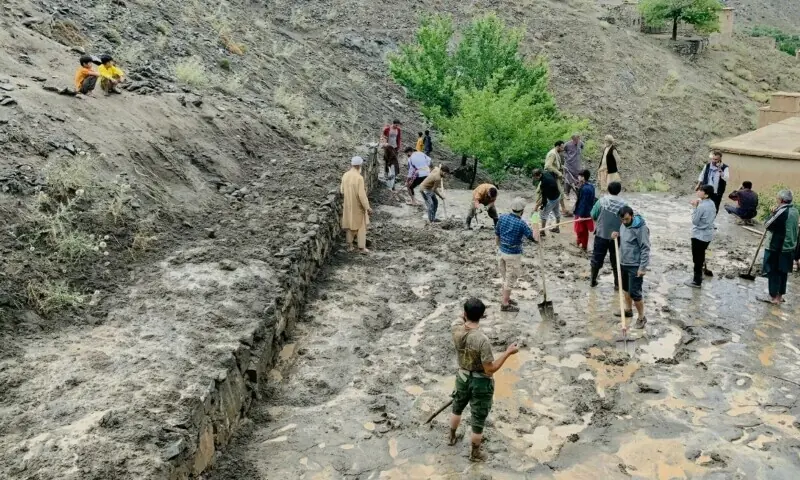

KABUL: Heavy rain and storms have killed at least 28 people over the past few days across Afghanistan, disaster officials said on Monday.
Rain sweeping across Afghanistan since Thursday has caused floods and landslides in multiple provinces. “Twenty-eight people were martyred, and 49 people were injured,” Afghanistan’s disaster management authority (ANDMA) said, while more than 100 homes have been destroyed.
Those killed include a 14-year-old boy struck by lightning in the northwestern Badghis province, police spokesman Sediqullah Seddiqi said.
In the same province, Seddiqi said “three people drowned while trying to recover driftwood to use for heating”.
The stormy weather also destroyed at least 130 homes, while more than 430 houses were damaged, ANDMA said.
In central Daikundi, the provincial disaster management department said a five-year-old was killed when a roof collapsed.
A woman was killed in the same circumstances in eastern Nangarhar, which borders Pakistan, according to police spokesman Sayed Tayeb Hamad.
Afghanistan’s disaster management authority warned people to stay away from “rivers and flooded streams, and follow the weather forecast seriously”.
The weather has already prompted the closure of several highways, officials in central and eastern Afghanistan said, with further rain and storms forecast for Tuesday.
The latest casualties follow more than 60 people being killed in snow and heavy rain that hit Afghanistan in January. Afghanistan frequently experiences deadly floods, landslides and storms, particularly in remote areas with fragile infrastructure.
Among the poorest countries in the world after decades of war, Afghanistan is particularly exposed to the effects of climate change, which scientists say is spurring extreme weather.
Published in Dawn, March 31st, 2026