0
0
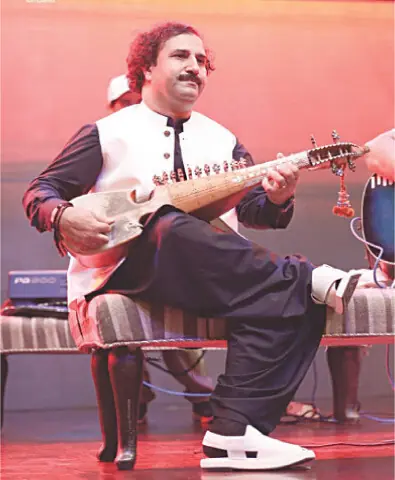
PESHAWAR: In the sun-dappled valleys of Khyber Pakhtunkhwa, where the Hindukush whispers ancient secrets to the wind and the Kabul River sings its eternal lullaby, the traditional rabab is no longer merely the heartbeat of Pakhtun weddings and hujra gatherings.
This majestic stringed instrument – lovingly carved from the resilient mulberry wood of our mountains, its rounded belly stretched taut with pure goatskin, its sympathetic strings humming like distant mountain streams under a full moon – has burst onto the global stage.
Its resonant melodies now captivate audience from the gilded concert halls of London to the vibrant fusion festivals of Los Angeles, from the marble auditoriums of Beijing to the sun-kissed open-air stages of Melbourne, weaving a tapestry of sound that transcends borders and languages alike.
Ustad Gulabkhel Afridi, a senior rabab maestro, who runs the renowned Gul Rabab Academy in Peshawar Saddar, speaks with quiet pride that echoes the instrument’s own profound depth. He has recently come back from Australia where he represented Pakistan as senior rabab player. He has carried its soul to around 16 countries, including the shimmering Gulf States, the vast landscapes of Australia, the ancient wonders of China and the rugged beauty of Central Asian Republics.
Rabab artist urges culture dept to take concrete measures for its preservation
The surge in popularity received its crowning validation in December 2024, when Unesco inscribed the art of crafting and playing rabab on its Representative List of the Intangible Cultural Heritage of Humanity. Now rabab is deemed as a unifying cultural force that binds communities across Pakistan, Afghanistan, Iran, Tajikistan and Uzbekistan.
Gulab Khel Afridi in a private chat told this scribe that legendary Pashto ghazal maestro Khial Mohammad called it “a matter of immense pride for every Pakhtun soul, a gift from our forefathers now shared with humanity.” The inscription has sparked a renaissance, drawing scholars, musicians and enthusiasts to study its intricate techniques and timeless lore.
Mr Afridi’s personal journey has been the living bridge between these ancient roots and the modern world. From performing at grand cultural festivals in Beijing’s Forbidden City echoes to sharing stages with Sufi ensembles in Tashkent’s timeless courtyards, from intimate gatherings in Riyadh’s fragrant evenings to headline slots at Australian world music events beneath endless skies, he has introduced the rabab’s haunting refrains to new generations.
Social media has amplified the magic exponentially: short clips of his overseas performances, capturing the instrument’s deep, soul-stirring drones and lightning-fast plectrum runs, rack up millions of views worldwide. This digital wave inspires young musicians in distant lands to order their first rabab from Peshawar’s master artisans while communities organise sold-out evenings where the instrument’s melancholic yet triumphant strains evoke waves of homesickness and pure wonder in equal measure.
“Back home in Pakistan, rabab remains the undisputed king instrument of every Pashto orchestra. Its powerful strains powered the box-office triumph of classic films such as Orbal, where heart-touching melodies wove seamlessly through poetry, myth and the everyday celebrations of life,” said Mr Afridi.
Revered master players like Afridi open grand weddings with auspicious notes, lead soulful hujra sessions that stretch into the dawn, and now mentor a rising generation at academies scattered across the province.
The craft itself – passed down through bloodlines with meticulous care, involving delicate woodcarving, precise skin-stretching and the secret art of tuning sympathetic strings – is cherished as both a tangible masterpiece and an intangible treasure of heritage.
Yet the dazzling global spotlight brings renewed responsibility and an urgent call to action from the very maestro, who has championed it abroad.
Artisans in Khyber Pakhtunkhwa struggle to meet the surging international demand for authentic, high-quality instruments and aspiring young talents in remote districts yearn for formal training amid dwindling resources.
In a powerful and heartfelt appeal, Mr Afridi has demanded of Khyber Pakhtunkhwa culture department to take immediate and concrete measures for the preservation of rabab. “The world now celebrates our instrument with open arms, yet we cannot allow its sacred roots to wither here at home,” he declared with the passion of a true guardian.
“I demand that the provincial culture department allocate dedicated funds for artisan workshops in every district, establish more academies in far-flung valleys, protect traditional craftsmanship from cheap modern shortcuts that dilute its soul, and launch comprehensive youth events so that every Pakhtun child grows up knowing the feel of its strings beneath their fingers. Only through such steadfast commitment will rabab truly flourish, not just for today’s applause but for generations yet unborn,” he said.
Published in Dawn, March 24th, 2026