0
0

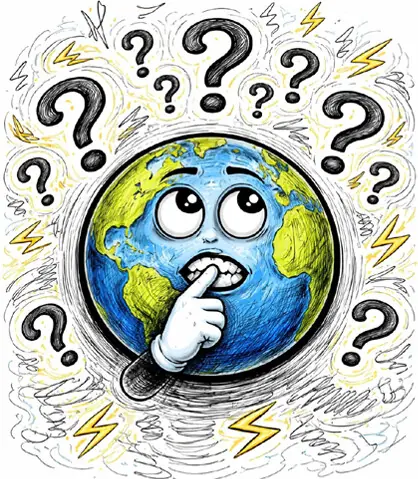
THE present confrontation in the Middle East has brought the international system to one of its most delicate moments since the end of the Cold War. The conflict has rapidly expanded into a wider regional crisis, drawing in multiple actors and raising valid fears of an uncontrollable escalation. There is reason to take the conflict as the opening phase of what some already call a ‘third Gulf war’ whose consequences may actually extend far beyond the immediate battlefield.
The economic consequences of the ongoing conflict are already visible. Oil prices have surged rapidly, shaking global financial markets and raising fears of recession in several economies. The United States, already confronting inflationary pressures and fiscal burdens from earlier conflicts, may find the continuation of a prolonged war economically difficult. The Gulf countries, despite their close security ties with Washington, are deeply worried about the consequences of the conflict. For countries whose survival depends on imported technology and fragile water infrastructure, the spectre of a wider war is profoundly alarming.
Beyond the immediate Gulf region, the positions of major global powers further complicate the situation. China and Russia have voiced strong diplomatic criticism of the military strikes and warned that the conflict could destabilise the international system. Beijing in particular appears to be pursuing a cautious long-term strategy. Moscow sees the crisis through the prism of great-power competition with the West. The emerging situation highlights a deeper transformation in world politics. The Middle East is no longer merely a regional theatre; it has become an arena in which the strategic interests of major powers intersect.
One of the most troubling of all questions raised by the present conflict concerns the possibility of nuclear escalation. When conventional military campaigns fail to achieve rapid victory, decision-makers may consider extraordinary options. However, the geopolitical environment today is fundamentally different from that of 1945. The existence of multiple nuclear powers, combined with complex alliances and global media scrutiny, creates powerful deterrents against such a catastrophic step.
For countries like us, the implications of an escalation would be profound. Pakistan lies at the crossroads of South Asia, the Middle East and Central Asia. Instability in the Gulf would affect its energy security, economic stability and regional diplomacy. Moreover, Pakistan’s strategic partnership with China and its historical ties with Muslim countries of the region place it in a highly sensitive diplomatic position.
Wars in the modern era often evolve into complex stalemates in which military operations coexist with diplomatic manoeuvring. International pressure may gradually push the warring parties towards a ceasefire or negotiated arrangement.
Yet, the broader lesson of the current crisis is unmistakable. Military power alone cannot resolve deeply rooted geo-political rivalries. The present war has become a test of whether the international community has learned the lessons of history, or remains condemned to repeat them. Indeed, now the responsibility of avoiding a catastrophe solely rests on the collective wisdom of the entire world.
Muhammad Mohsin Iqbal
Islamabad
Published in Dawn, March 17th, 2026