How airlines have hedged against fuel price increases

Higher oil prices due to the Iran war are increasing prices of jet fuel, which accounts for a big portion of airlines’ costs.
Brent crude oil rose near $100 per barrel on Thursday on worries about disrupted supply.
Spot Northwest European jet fuel prices were at $1,536 per metric tonne on Thursday, trading near an all-time high of $1,633 they reached intra-day on Monday.
Some airlines use futures and options to hedge against price increases. They also try to hedge against value changes in the US dollar, in which jet fuel is priced.
US airlines, which abandoned the practice of hedging against fuel costs, could be the hardest hit if the war is prolonged.
Below is a summary of how some of the world’s largest airlines are hedged:
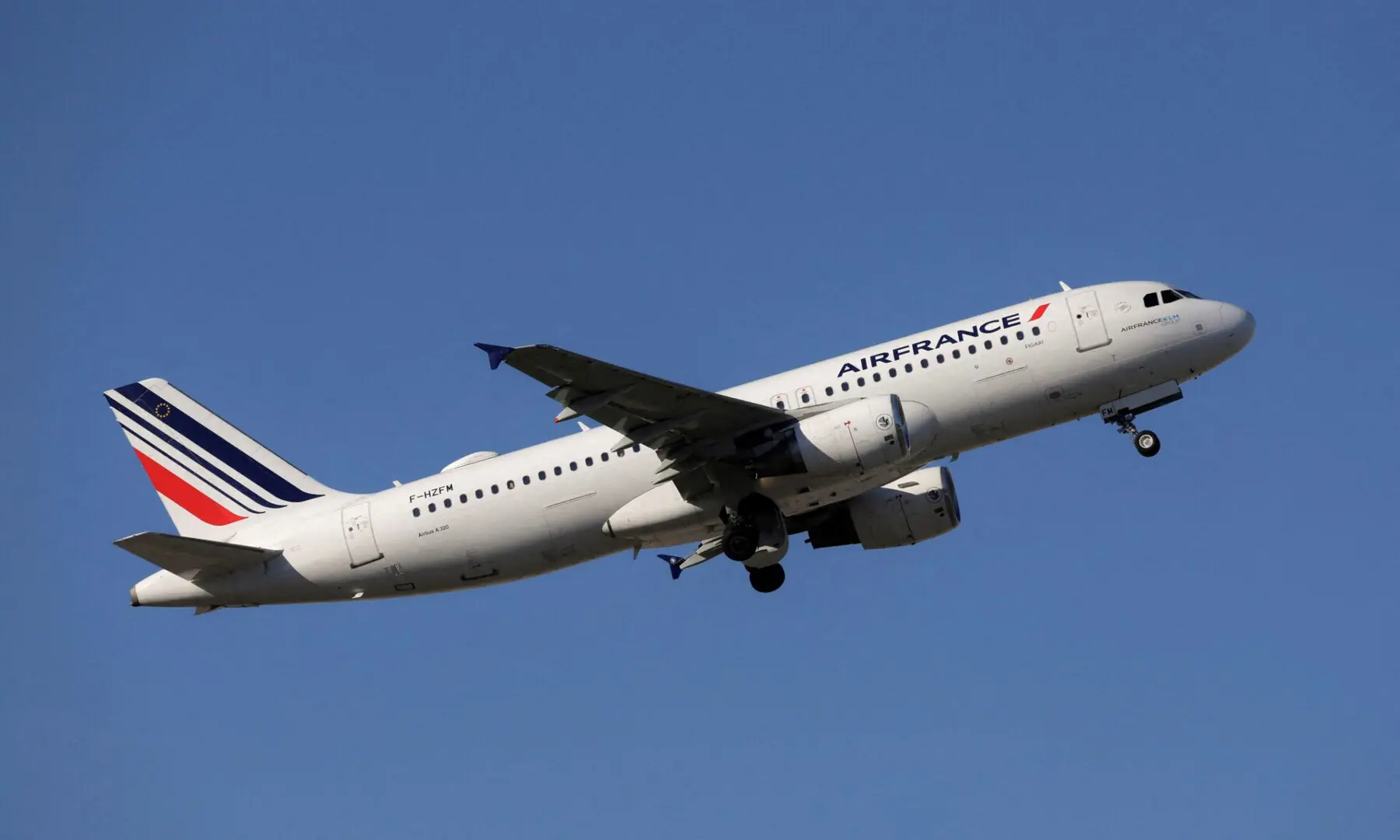
Air France-KLM: The Franco-Dutch group said in February it had adjusted its fuel hedging policy to increase its total exposure over one year consumption to 87 per cent from 68pc. It said it had extended its hedging horizon to eight quarters from six and increased hedging percentages.
Air New Zealand: New Zealand’s flag carrier said in February it was hedging 83pc of fuel for the second half of its financial year and 46pc for the first half of the year to 2027.
It said the majority of its hedges were in Brent Crude, with some opportunistic Singapore Jet swaps expected in the second half of this year.
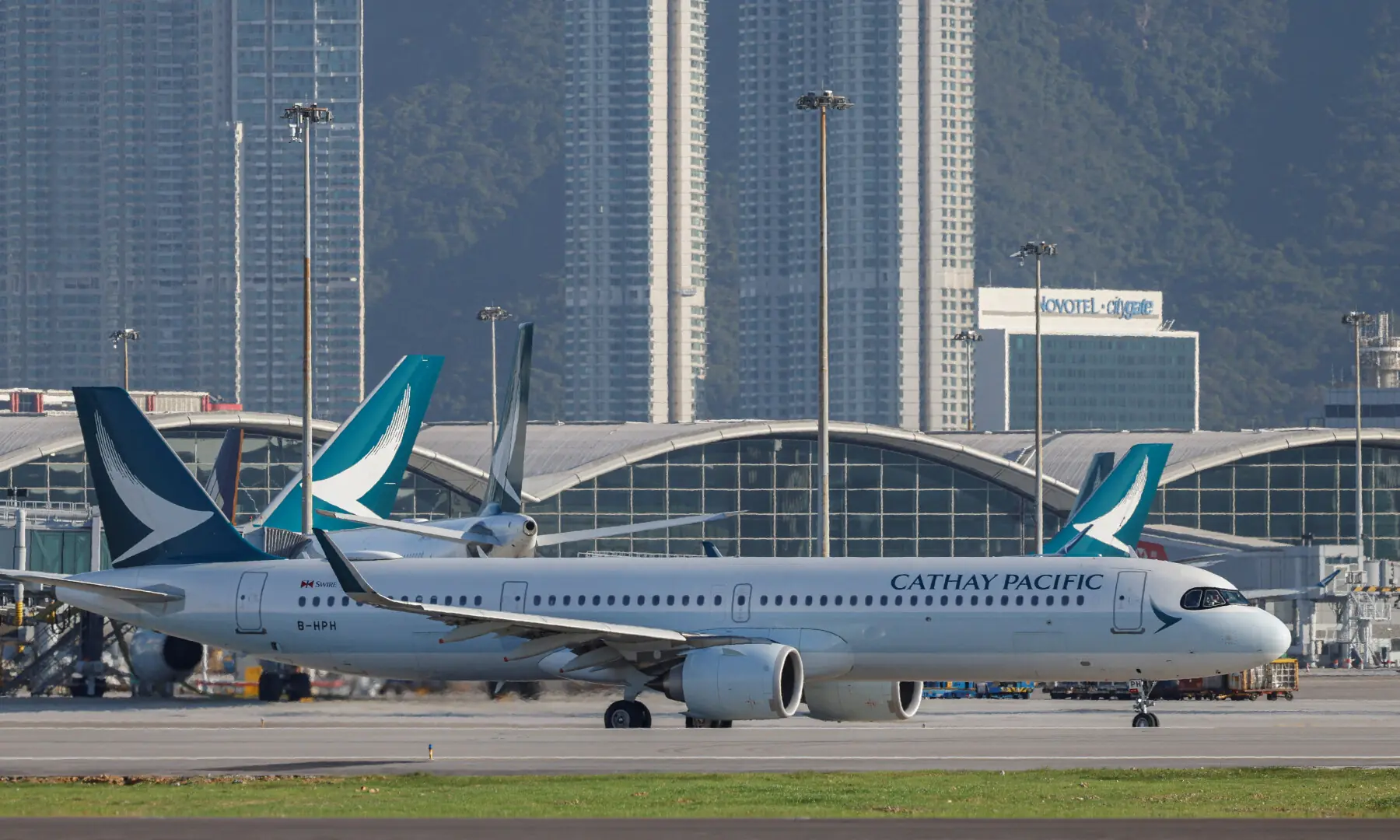
Cathay Pacific: Hong Kong’s flagship carrier said last year it was hedging fuel into the second quarter of 2027, covering around 30pc of costs until the second quarter of 2026.
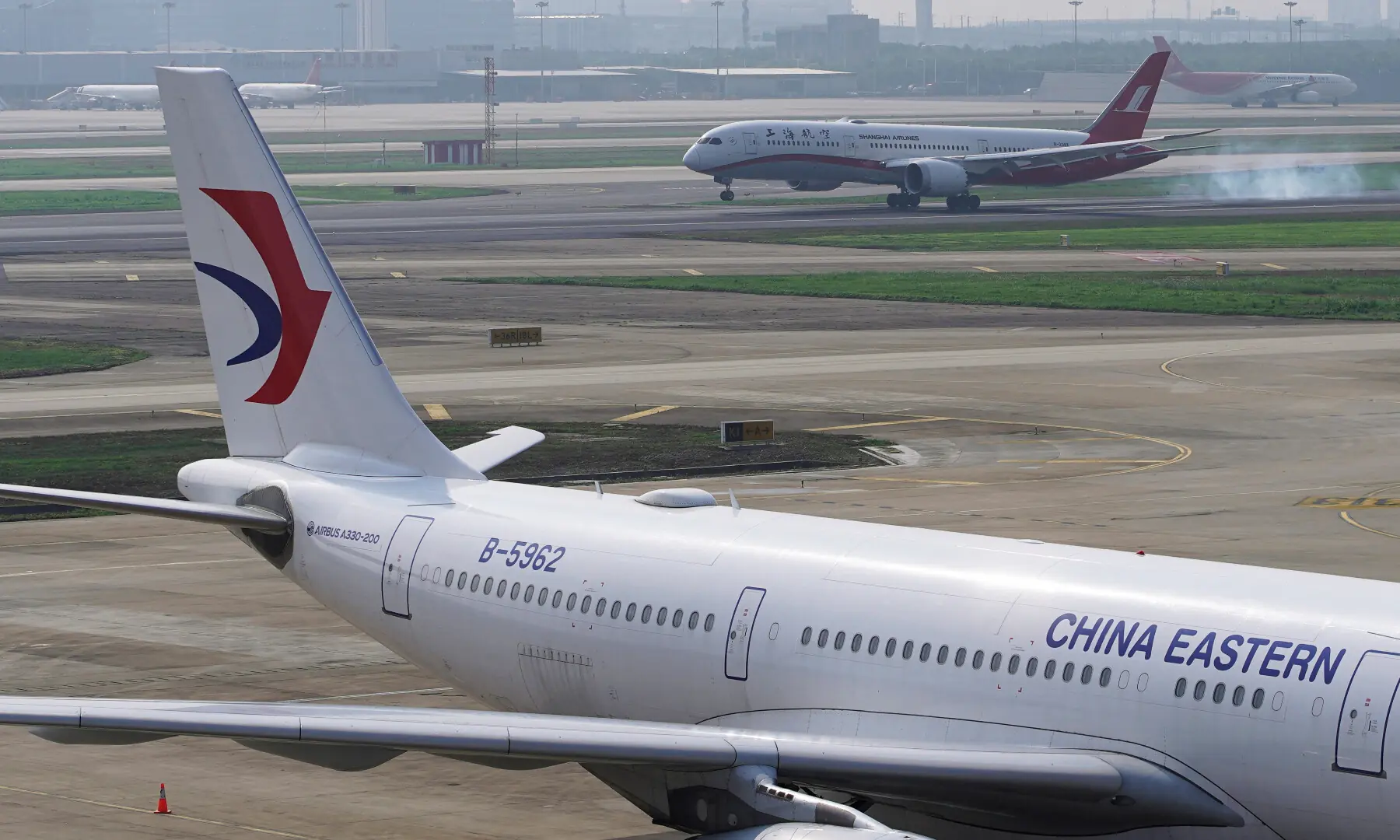
China Eastern Airlines: The state-owned airline said it made careful assessments based on the derivatives market conditions and did not carry out any jet fuel hedging transactions in the first half of 2025.
As of 30 June 2025, it had no outstanding jet fuel hedging contracts.
easyJet: The British budget airline said in January it had hedged 84pc of its fuel needs for the first half of 2026, 62pc for the second and 43pc for the first half of 2027, at an average cost of $715, $688 and $671 per metric tonne, respectively.
It has 80pc of the dollars it expects to need in the first half of the year, bought at $1.30 per British pound, 62pc for the second half at $1.24 per pound and 40pc for the first half of 2027 at $1.32 per pound.
Finnair: The Finnish carrier updated its risk management policy in December to extend the hedging horizon to 24 months from 18 months previously.
It has covered 219 tonnes of fuel for the first quarter at an average price of $718 per tonne and a total 834 tonnes of fuel through the second quarter of 2027, at an average price of $697 per tonne.
It aims for a hedging ratio of about 70pc to 95pc for the first three months of the hedging period and lower hedging ratio limits for each following quarter.
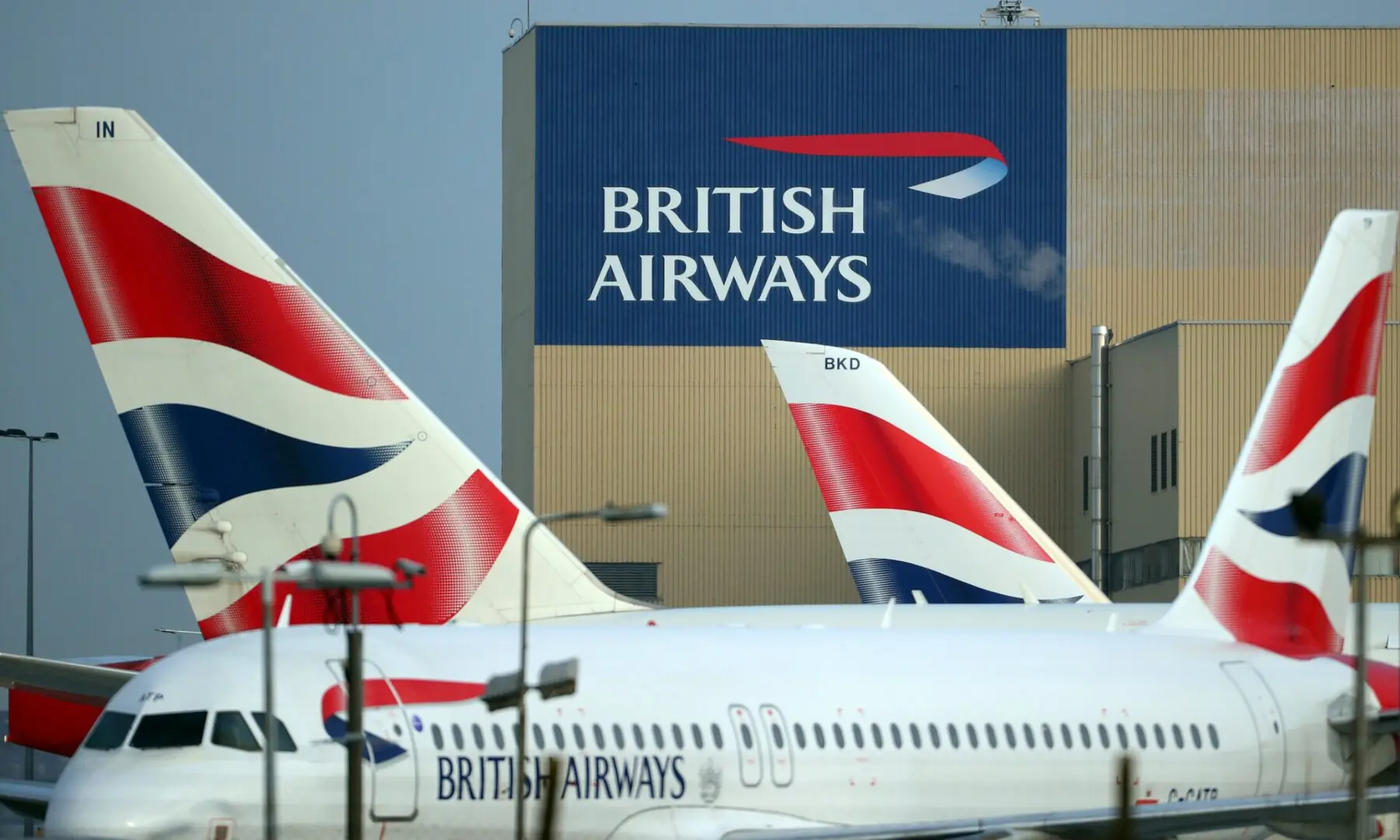
International Airlines Group: The owner of British Airways and Iberia said in February its fuel and currency hedging was down about 9pc in 2025 compared to a year before.
It said its policy includes hedging on a three-year rolling basis, with hedging of up to 75pc of expected near-term requirements near-term, and up to 80pc for low-cost airlines.
Icelandair: The Icelandic carrier said in February it planned to hedge between 20pc and 50pc of estimated fuel consumption six months forward, 0pc to 40pc 7-12 months forward and 0-20pc 13-18 months forward.
It said a 10pc increase in fuel prices would have an impact of $11.6 million on its equity.
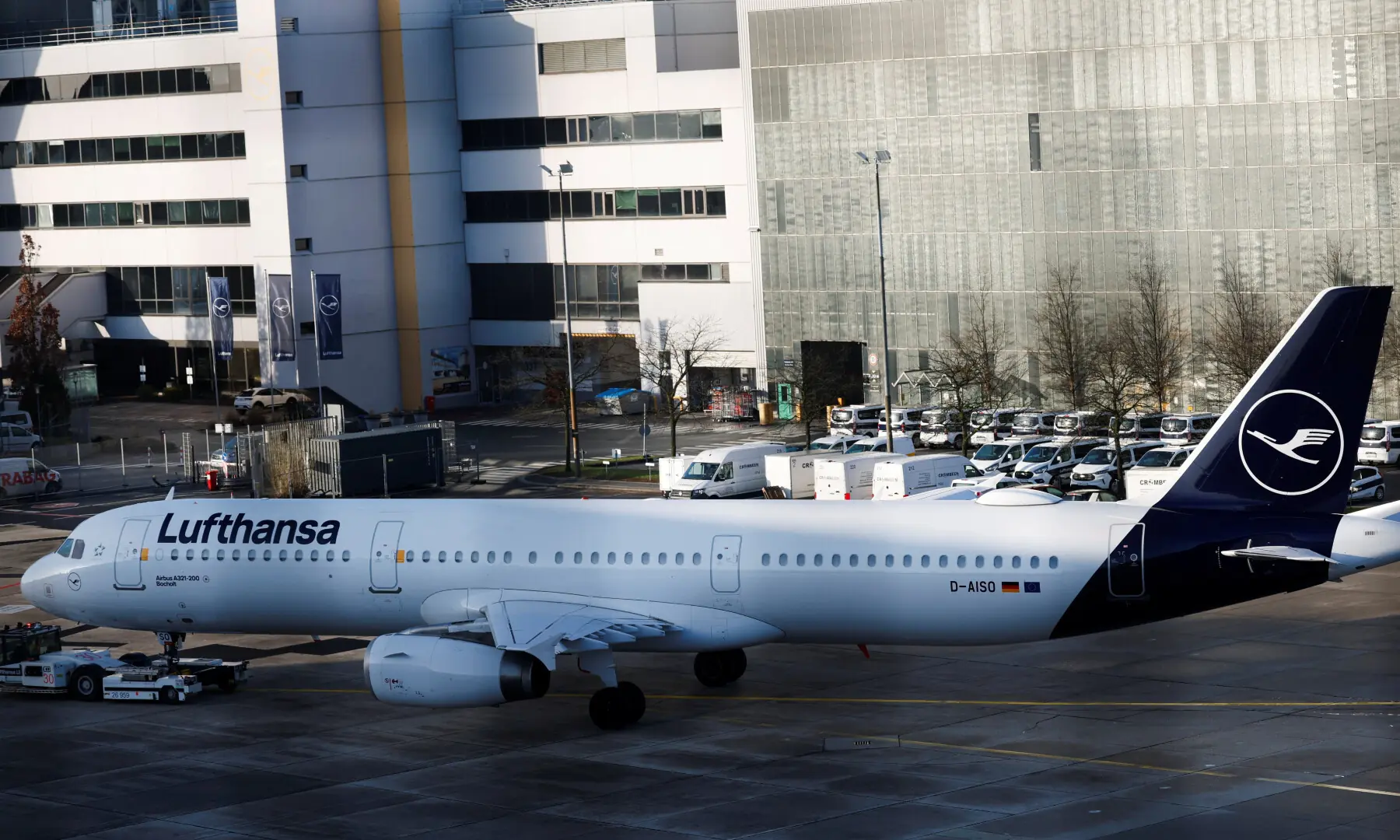
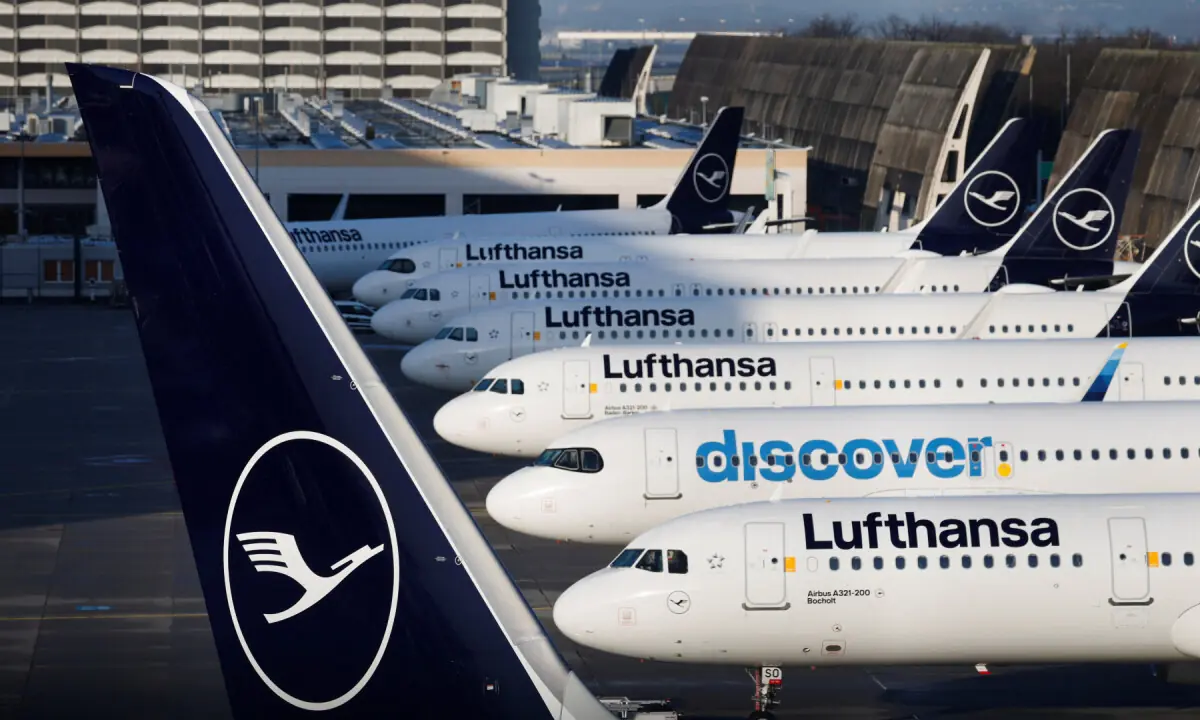
Lufthansa: The German carrier said last year its fuel hedging has a horizon of up to 24 months. It said its hedging at the end of 2024 covered about 76pc of forecast 2025 fuel requirement and about 28pc of the forecast 2026 requirement.
Norwegian Air: The Norwegian carrier said in February it had hedged about 45pc of estimated jet fuel consumption for 2026 and about 25pc for 2027.
Qantas: The Australian airline reported in February it had 81pc of its fuel hedged for the second half of its financial year ending June 30, 2026.
Ryanair: The airline had covered about 77pc of its estimated fuel needs for its fiscal year to the end of March 2026 at an average price of about $761 per metric tonne.
For the upcoming year, it said in January it had locked in about 80pc of its jet fuel requirements based on a crude oil price of $67 per barrel.
SAS: The biggest Scandinavian airline said last year it had temporarily adjusted its fuel hedging policy due to uncertain market conditions and that it had 0pc of fuel consumption hedged for the following 12 months.
The company’s hedging policy targets between 40pc and 80pc of anticipated volumes for the coming 12 months, and allows hedging up to 50pc for the following six months.
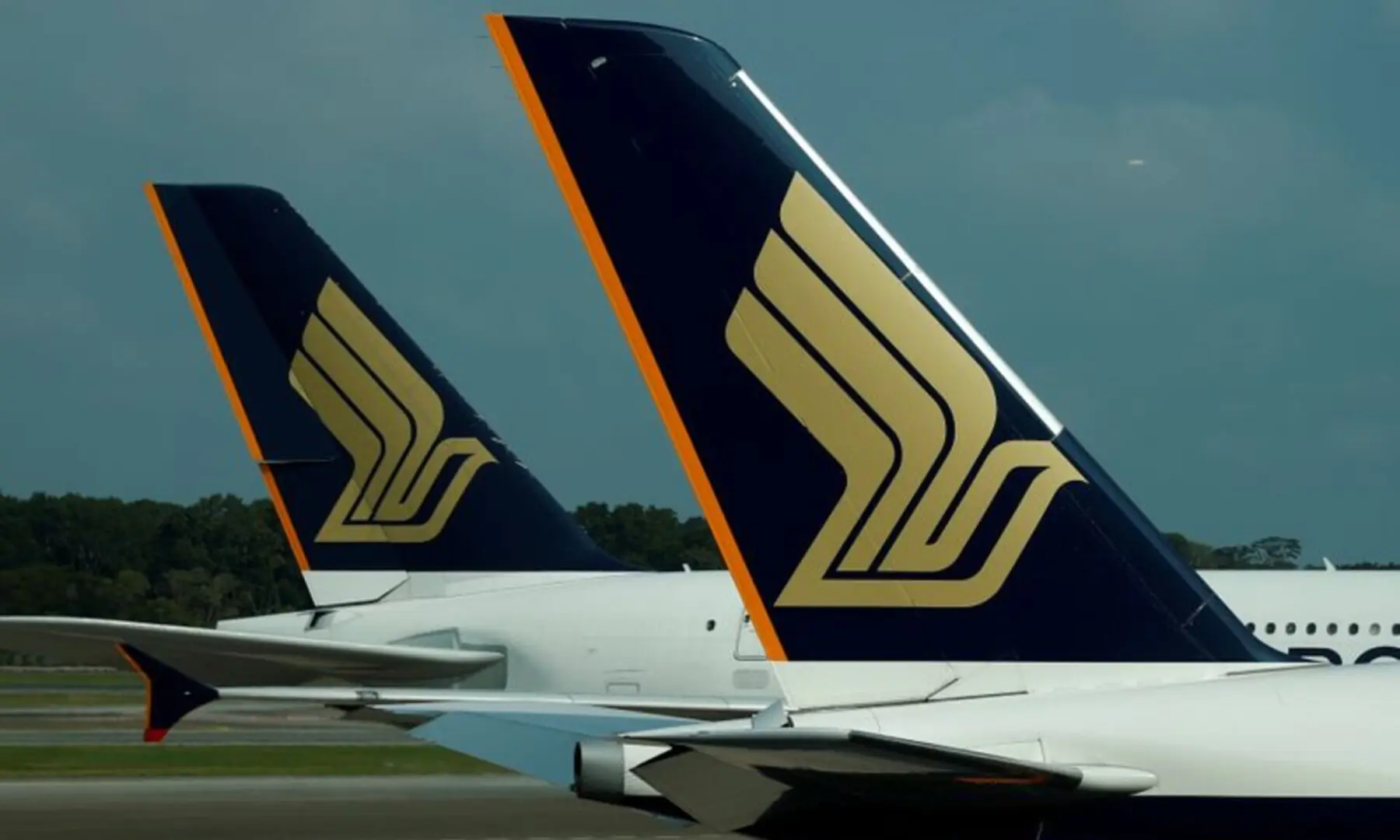
Singapore Airlines: The company said in November it was hedging fuel for up to five years, with 49pc of fuel covered in the quarter to December, 47pc in the quarter to March, reducing to 24pc in the second half of the full-year to 2027 and 7pc in the following years.
It said it was paying between $66 and $69 per barrel of Brent hedged, and between $79 and $87 per barrel of MOPS.
Virgin Australia: The Australian airline said in February it was hedging 85pc of fuel and 94pc of foreign exchange for the second half of its financial year.
Wizz Air: The Hungarian budget carrier said in January it was hedging 83pc of its jet-fuel needs for the year to March 2026 at a price between $681-$749 per metric tonne.
It said it had coverage of 55pc for the full-year to 2027 and 7pc for the full-year to 2028, at a price of $650-$716 per metric tonne and $628-$694 per metric tonne, respectively.