CARACAS: Venezuelan inflation soared to 475 per cent in 2025, the highest in the world, driven by a tightening of US sanctions in the lead-up to the ouster of leader Nicolas Maduro.
Full-year inflation far exceeded the International Monetary Fund’s forecast of 269.9pc, figures released by the central bank showed on Friday.
Accumulated inflation for the first two months of 2026 stood at nearly 52pc, the bank, which had not released inflation figures in over a year, said. It did not issue a forecast for the remainder of 2026.
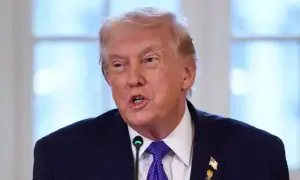
Venezuela’s economy was hammered last year by President Donald Trump’s campaign of maximum pressure on longtime foe Maduro. Washington eventually deposed the authoritarian socialist leader on January 3 in a US special forces’ raid on Caracas and has since eased sanctions.
Washington and Caracas have vowed to resume full diplomatic ties and jointly develop the country’s vast oil and mineral reserves as part of a lightning-fast thaw after years of emnity. But many Venezuelans say they have yet to see the results on exorbitant prices for basic goods like food and medicine.
“I have to hop from one supermarket to another. It shouldn’t be like this,” Alix Aponte, a 58-year-old accountant, said as she shopped for vegetables in Caracas on Friday, calling for salary increases.
Average incomes range between $100 and $300 per month, far below what Venezuelans need to meet their basic food needs, economists say. Food and drink prices alone rose by 532pc last year, while rent increased by 340pc and healthcare by 445pc, the central bank said.
“This inflation is killing us,” said Eduardo Sanchez, a leader of the teachers’ union, blaming poor economic policies. Before Maduro’s ouster, economists had warned of a return of hyperinflation — monthly price hikes of 50pc or more that caused economic chaos between 2017 and 2021.
Memories are still acute of a record 130,000pc year-on-year rise in prices recorded in 2018, the peak of the hyperinflationary period, which pushed millions to emigrate.
At the time people waited in line for hours to buy a half kilo of coffee or sugar.
By 2024, the figure had fallen to 48pc — a turnaround credited largely to the economic management of Maduro’s former deputy Delcy Rodriguez, now the country’s acting leader.
Brighter post-Maduro outlook
Rodriguez stabilised the situation by introducing greater fiscal discipline, halting the printing of money, relaxing exchange controls and decriminalising the use of the dollar, which has become Venezuela’s de facto currency.
Rodriguez, who was approved by Washington to replace Maduro, has embarked on an ambitious program of reforms since taking the reins. She has thrown open the vital oil sector to private investment and is also planning to overhaul the country’s mining laws to attract investment in critical minerals.
Tamara Herrera, director of the Sintesis Financiera consulting firm, said she expected inflation to fall to a little over 100 percent this year. “Going forward, the inflation expectation is toward moderation,” economist Jesus Palacios said.
Published in Dawn, March 8th, 2026