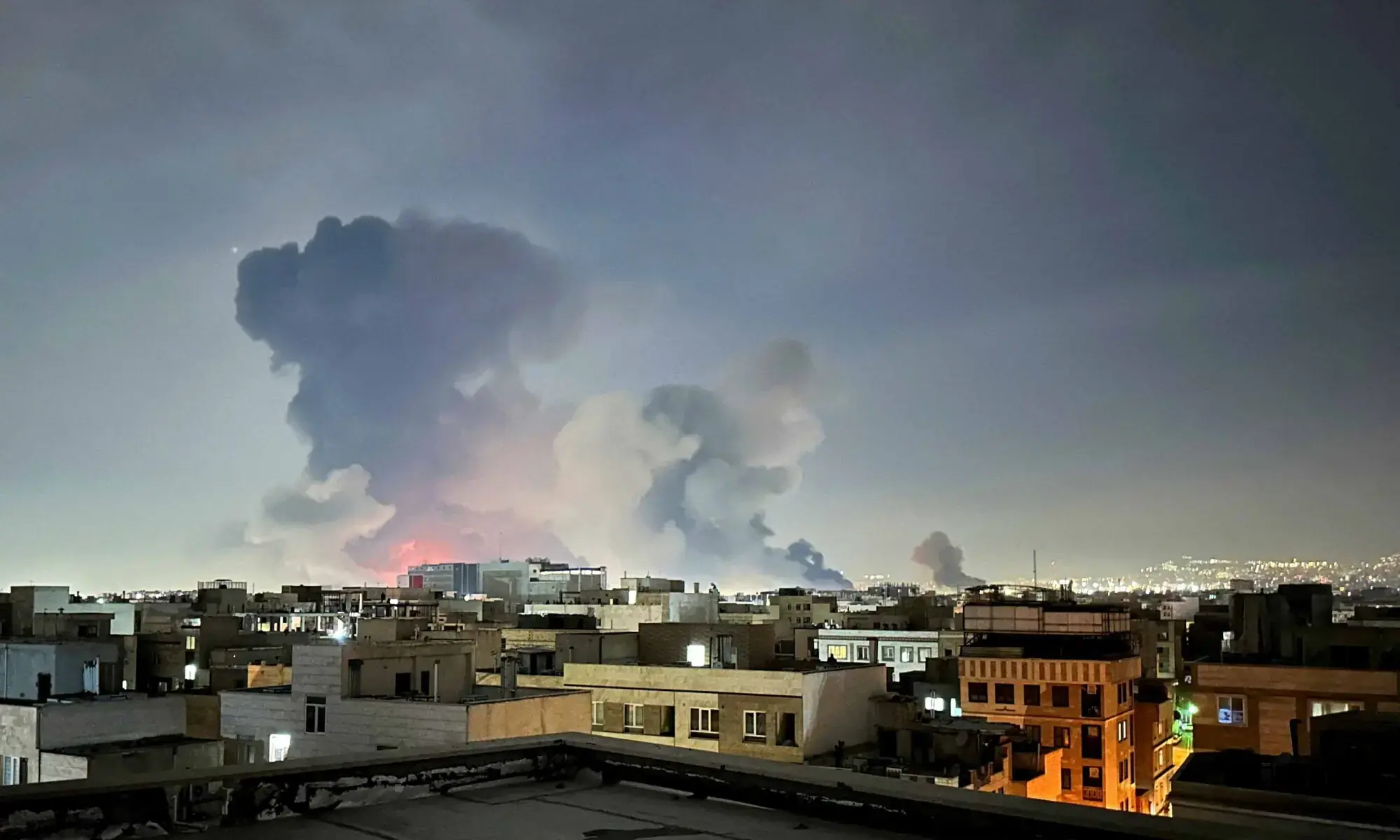
Eight days into the war between the United States–Israel coalition and Iran, the conflict has settled more firmly into a pattern that began to emerge over the previous 48 hours; a high-intensity confrontation fought largely through missiles, drones and proxy forces and widening steadily across multiple theatres. At the same time, quiet diplomatic activity gathered momentum to contain the widening fallout for the region.
The past 24 hours demonstrated that despite the scale of coalition air power deployed against Iran and its allies, Tehran’s asymmetric military capabilities remained largely intact and continued to shape the tempo of the war, along the area stretching from the Strait of Hormuz through Iraq to Lebanon, where attacks on American facilities, shipping lanes, and Israeli military positions have continued in a calibrated but persistent manner.
One demonstration of this capability was seen in the Strait of Hormuz on Saturday, when the Islamic Revolutionary Guard Corps confirmed that one of its drones had struck the Malta-flagged oil tanker Prima after it allegedly ignored repeated warnings. Videos circulating online showed a fire burning on the deck of the tanker while commercial shipping in the vicinity began diverting away from the narrow waterway. This underlined Tehran’s enduring ability to threaten traffic through one of the world’s most sensitive energy corridors even while under sustained aerial pressure.
The episode also carried a political undertone as US President Donald Trump had earlier promised that the US Navy would provide escorts for tankers transiting the Strait, along with political risk insurance to restore commercial confidence, but the assurances have not materialised as yet.
Read more here.