Qatar energy minister warns Iran war will force Gulf to halt energy exports within weeks: report
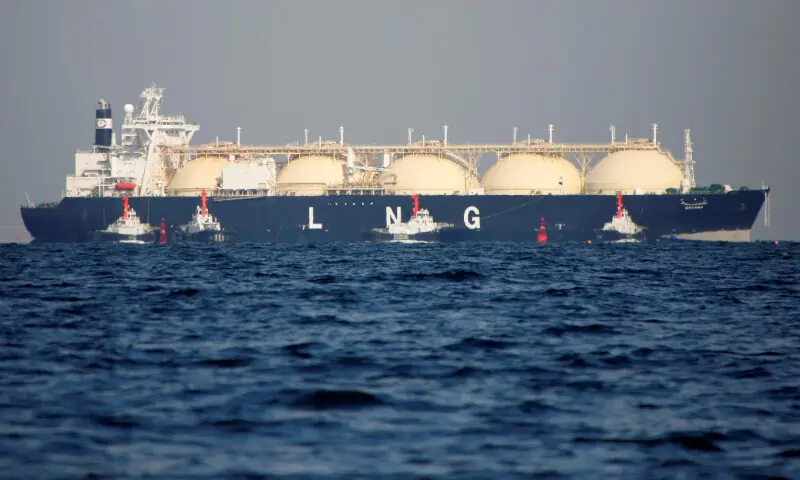


Qatar expects all Gulf energy producers to shut down exports within weeks if the Iran conflict continues and drives oil to $150 a barrel, the country’s Energy Minister Saad al-Kaabi told the Financial Times in an interview published on Friday.
Qatar halted its production of liquefied natural gas on Monday, as Iran continued to strike Gulf countries in retaliation for Israeli and US attacks.
The country’s LNG production is equivalent to about 20 per cent of global supply and plays a major role in balancing both Asian and European markets’ demand for the fuel.
“Everybody who has not called for force majeure we expect will do so in the next few days if this continues. All exporters in the Gulf region will have to call a force majeure,” Kaabi told the FT.
“If this war continues for a few weeks, GDP growth around the world will be impacted,” he said.
“Everybody’s energy price is going to go higher. There will be shortages of some products and there will be a chain reaction of factories that cannot supply,” Kaabi said.
Kaabi said even if the war ended immediately, it would take Qatar “weeks to months” to return to a normal cycle of deliveries.
Analysts and economists have highlighted the potential impact of the war on economies globally.
Kaabi, who is also the CEO of QatarEnergy, one of the world’s biggest liquefied natural gas producers, told FT that the company’s North Field expansion project would delay first production.
“It will delay all our expansion plans for sure,” Kaabi said. “If we come back in a week, perhaps the effect is minimal; if it’s a month or two, it is different.”
The project was scheduled to begin production in mid-2026.
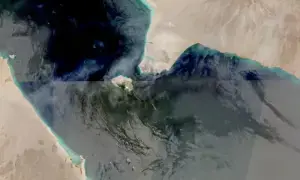
He forecast that crude prices could hit $150 a barrel in two to three weeks if ships and tankers were unable to pass through the Strait of Hormuz, which is the world’s most vital oil export route, connecting the biggest Gulf oil producers with the Gulf of Oman and the Arabian Sea.
Kaabi also expects gas prices to rise to $40 per million British thermal units.