KARACHI: The ongoing Middle East crisis is beginning to affect local industries, while a Japanese auto assembler also fears supply disruptions in the arrival of imported parts and accessories as global routes are disrupted.
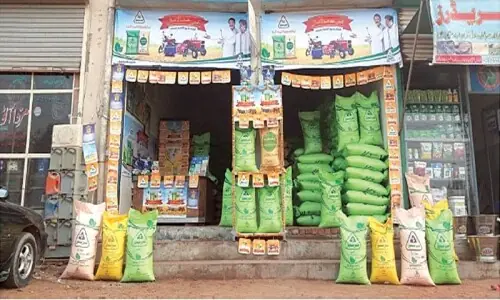
Agritech Ltd has announced it has shut down its urea plant until further notice due to a suspension in RLNG supply from March 4, 2026 by the gas utility company.
In a stock filing, the company stated that Sui Northern Gas Pipelines Ltd (SNGPL) has officially communicated regarding a “Potential Event of Force Majeure” declared by the LNG supplier.
This situation stems from the ongoing regional conflict in the Middle East, which has disrupted LNG production facilities and consequently impacted LNG supply in the country.
Urea plant shuts due to RLNG supply suspension; auto sector braces for impact
According to Topline Securities, Indus Motor Company (IMC), in a corporate briefing, anticipates disruptions and delays in imported parts due to the ongoing Middle East crisis. Logistical congestion, higher freight costs, and shipping delays are expected to challenge supply timelines.
However, a wider ripple effect may become apparent over the next month, emphasising the importance of effective crisis management, although some disruptions may still be unavoidable, the auto assembler said.
The company anticipates gradual growth in local vehicle demand driven by economic stability, consistent financing rates, and moderate inflation, although recent geopolitical tensions in the Gulf region will create uncertainty. IMC expects higher freight rates and possible shipment delays, which could adversely affect its inventory management.
Senior Vice President of the Federation of Pakistan Chambers of Commerce and Industry and Chairman of Businessmen Panel Progressive, Saquib Fayyaz Magoon, warned that increasing tensions in the Gulf and the potential closure of the Strait of Hormuz present a serious risk to Pakistan’s fragile economy.
He urged the government to swiftly declare an energy emergency and secure alternative supply routes.
In a statement, he said the prevailing regional situation had made global energy supply chains “extraordinarily unstable”, warning that the fallout would impact energy-importing countries like Pakistan directly.
“The Strait of Hormuz handles almost 20 per cent of the world’s oil shipments. Any disruption there would not only shake global markets but could also cause an economic crisis for countries heavily dependent on imported fuel,” he said.
Pakistan sources a significant part of its energy needs through imports from Saudi Arabia, the United Arab Emirates, and Qatar. Even slight disruptions in crude oil or liquefied natural gas (LNG) supplies, he stated, could lead to higher fuel and electricity costs, worsening inflationary pressures and worsening the cost-of-living crisis.
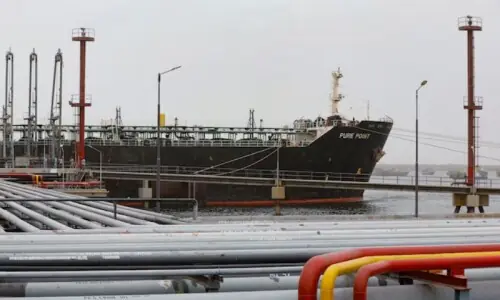
Port Qasim and Karachi Port are directly connected to Gulf shipping routes, making Pakistan especially vulnerable to maritime disruptions. “Any obstruction to sea lanes will sharply increase freight charges, delay shipments and place immense strain on supply chains,” he said.
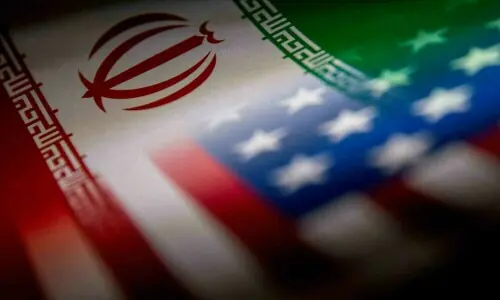
Referring to recent hostilities involving Iran and reported retaliatory actions, he said tanker movements had already been impacted, causing daily LNG freight rates to rise by more than 40 per cent. Rates in the Pacific basin have also increased notably, reflecting heightened risk perceptions among global shippers and insurers. Gwadar Port could become more strategically important in the longer term.
He urged the government to implement emergency plans for alternative energy supply routes, expand strategic petroleum reserves, and strengthen diplomatic efforts to help de-escalate tensions in the region.
He emphasised that timely policy intervention would be vital to protect industry and consumers from the ripple effect of increasing import costs, fluctuating exchange rates, and possible energy shortages.
Published in Dawn, March 5th, 2026