Pakistan cricket’s lack of T20 evolution exposed by World Cup exit
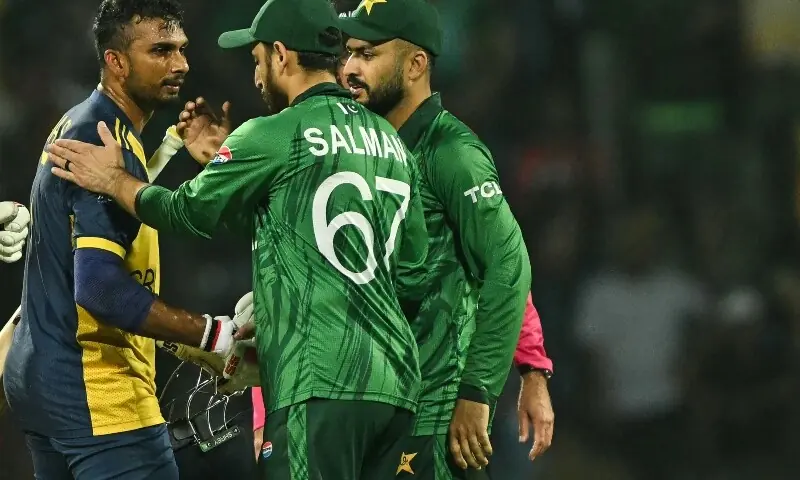


Pakistan’s shortcomings were laid bare during their lacklustre T20 World Cup campaign which ended on Saturday when the team failed to reach the semi-finals.
From the captain Salman Agha, who was criticised for not being a T20 player, to slow batting rates and the use of all-rounders not up to the job, the Green Shirts were shown to be behind the times in the rapid-fire format.
Former wicketkeeper-batsman Kamran Akmal believes there is a huge gulf in standard between Pakistan and the top sides such as India, West Indies, South Africa and England.
“Other teams have evolved to the demands of Twenty20 cricket, but neither our team nor our players meet those standards,” Akmal told AFP.
“It is like other teams are playing on the moon and we are on earth. We only beat smaller teams but lose to top teams.”
Pakistan had high hopes for the T20 World Cup after sweeping Australia 3-0 in a pre-tournament series.
The team boasted a quintet of spinners that should have been suited to the turning pitches in Sri Lanka where they played all their matches.
But they received a rude awakening in their first match against the Netherlands when only they squeezed home by three wickets in the final over thanks to Faheem Ashraf’s 11-ball 29.
‘Failed to handle pressure’
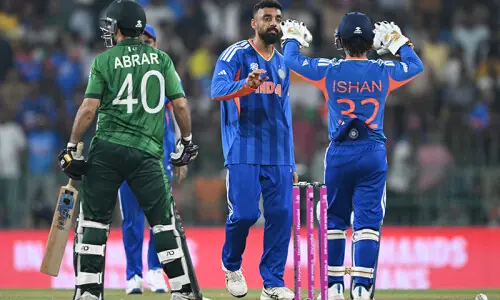
Like most of his predecessors at World Cups, Agha blundered in the pressure-cooker match against India, which only went ahead after reversing the decision to boycott the match just days before the encounter.
Agha won the toss and asked India to bat. The decision backfired badly as Pakistan conceded 175 and were hammered by 61 runs.
Agha inexplicably held back his mystery spinner and chief weapon Usman Tariq to the 11th over, by which time opener Ishan Kishan had scored his match-shaping 77 and India were well on their way to a winning total.
“How on earth did you bowl at a venue which was suited to batting first,” questioned former Pakistan player Basit Ali.
“After India scored 175 our batters failed to handle the pressure of a chase.”
Agha also held back Tariq’s second over against England, after he took a wicket in his first, allowing captain Harry Brook to build a sparkling match-winning century.
“It was weak captaincy from Agha,” said Akmal, who also took aim at the head coach Mike Hesson and the selectors.
“We were also not helped by head coach Mike Hesson, who has an obsession for bit-and-pieces all-rounders who were neither complete bowlers, nor good batters.”
The insistence in sticking with the out-of-sorts Babar Azam did nothing to help the team’s shaky batting.
The star batsman’s slow scoring at number four interrupted the side’s rhythm.
He was dropped for the final match against Sri Lanka on Saturday where Pakistan finally posted a total in excess of 200, but it proved too little too late as New Zealand progressed on net run rate.
“We are all fans of Azam but he disappointed us by not adapting to the demands of T20 cricket,” said one Pakistan fan, Saud Baloch, who resigned from his job in the United Arab Emirates to go to the World Cup.
“The whole Pakistan fandom is not only disappointed but angry.
“But we know nothing will change and we will continue to mourn such defeats in future.”