Middle East war to hamper Pakistan’s external trade


 0
0
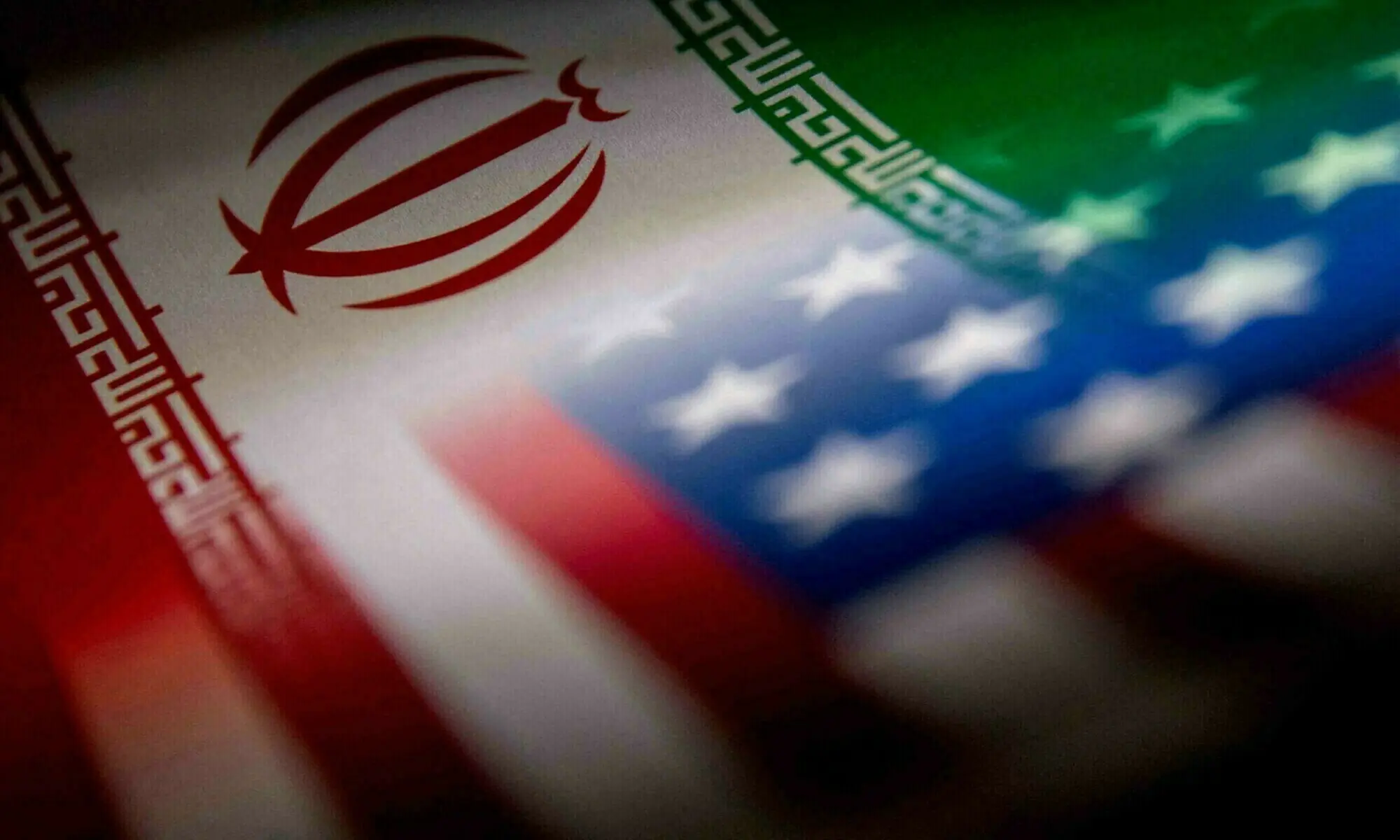

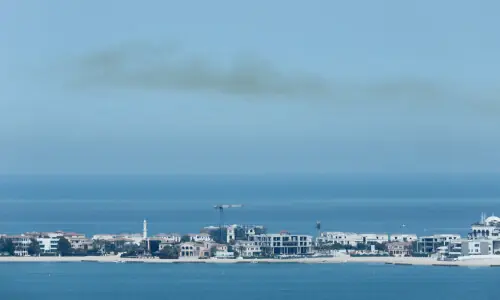
KARACHI: The war in the Middle East will severely hamper Pakistan’s trade with the region, as both exports and crucial imports have come to a halt following the cancellation of flights and suspension of shipping operations.
Hundreds of thousands of Pakistanis are stranded in the Middle East as all flights to and from the region were suspended in the wake of war erupted after attacks on Iran by Israel and the US.
Pakistanis have expressed concern over the consequences of the war for the country and for the millions Pakistani workers living in the Middle East. An immediate issue is the large number of Pakistanis currently in Saudi Arabia to perform Umrah.
The business community is in shock, as their exports to the Middle East will remain suspended until the conflict subsides. The UAE is the second-largest trading partner of Pakistan, while the country imports most of its oil from the Middle East. Pakistan also imports liquefied natural gas (LNG) from Qatar.
Remittances likely to decline during Ramazan
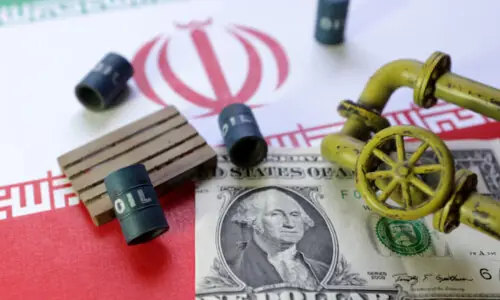
Iran had earlier warned that in the event of war, the Strait of Hormuz would be closed, which means oil supply from the Middle East will come to a halt. Such a move would also hurt oil-producing countries in the region as their economies largely depend on oil revenues.
Pakistan depends heavily on remittances sent by overseas Pakistanis to support its foreign exchange reserves, which reached $40 billion in FY25.
“The immediate impact of this war is reflected in the lower demand for foreign currencies like Saudi riyal, UAE dirham and US dollar,” said Malik Bostan, chairman of the Exchange Companies Association of Pakistan. He added that these currencies have lost value against the Pakistani rupee, but the actual situation will become clearer on Monday, the first working day after the outbreak of war in the region as banks’ currency markets remain closed on Saturday.
Currency market experts also anticipated that inflows of remittances may decline, particularly during the month of Ramazan.
“There is no obstacle to remittances, but thousands of Pakistanis usually return home for Eid and bring foreign currencies, which are later sold in the open market. This inflow of millions of dollars (in terms of value) will see a decline,” said Mr Bostan.
Millions of Pakistanis working in the Middle East may feel insecure due to the war, while those in Saudi Arabia for Umrah will require arrangements to return home.
Trade with UAE, KSA
Trade with the UAE in FY25 was $10.1bn, with Pakistan’s exports to the country stood at $2.1bn, leaving the balance of trade clearly in favour of the UAE.
Pakistan’s exports to Saudi Arabia in FY25 stood at $700m. Data for calendar year 2024 showed that imports from Saudi Arabia was $4.5bn.
Pakistan’s export is already facing a stagnant situation despite the government’s ambitious plan to boost exports to $60bn within three years, one year of which has already passed.
The war in the region has not only destroyed this dream, but is also likely to significantly hurt overall export performance.
Published in Dawn, March 1st, 2026