• BNP spokesperson ‘confident’ party will secure two-thirds majority
• Jamaat chief claims irregularities, says results in several constituencies ‘withheld’
• Referendum sees overwhelming support for constitutional reforms
DHAKA: The Bangladesh Nationalist Party (BNP) appeared set to secure victory in the first general elections held after a popular youth uprising toppled the government of Sheikh Hasina in 2024.
Tens of millions of Bangladeshis turned out to vote, and The Daily Star’s ballot count (with 67 out of 299 constituencies reporting as of 2am on Friday) showed the BNP and its allies had grabbed 55 out of 299 seats, while the Jamaat-i-Islami and its allies trailed with 11 seats, as per unofficial results.
In the rest of the constituencies, unofficial tallies showed that the BNP was ahead in most contests, with one of its leaders claiming that they would achieve a two-thirds majority in parliament, or Jatiya Sangsad (House of the Nation).
The BNP is led by top prime ministerial contender Tarique Rahman, the 60-year-old son of former prime minister Khaleda Zia and ex-president Ziaur Rahman, who emerged with 216,284 votes while his nearest rival Abidur Rahman secured 97,626 votes.
Local media outlets quoted by Reuters claimed the BNP had achieved over 151 seats (simple majority) at the time of going to press, with Jamaat having bagged 42 seats. Buoyed by these reports, the BNP is eyeing a two-thirds majority.
“Based on the vote count received so far and detailed seat-wise information, we are very hopeful about this victory,” said BNP Central Election Steering Committee Spokesperson Mahdi Amin around midnight.
According to The Daily Star, he said BNP would form the government after securing more than two-thirds of the seats with public support.
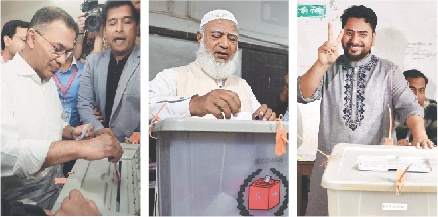
More than 2,000 candidates, including many independents, were on the ballot, and at least 50 parties contested, a national record. Turnout appeared on track to exceed the 42 per cent recorded in the last election in 2024, Reuters said.
Analysts say a clear outcome is crucial for stability in the nation of 175 million after months of deadly anti-Hasina unrest disrupted everyday life and hit major industries, including the garment sector, the world’s second largest exporter.
‘Various irregularities’
As the vote count continued late into the night, both the BNP and the JI expressed concerns about transparency, citing a delay in the announcement of results.
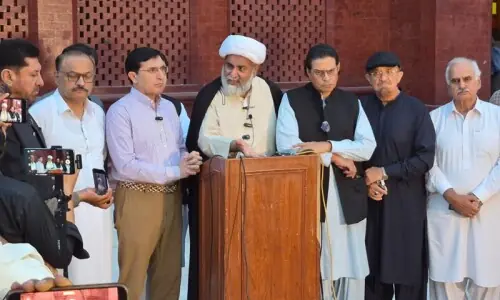
Mr Amin said people witnessed various irregularities, fraud and violence in different parts of the country even on election day. “Especially in some specific seats, election engineering was done to make certain candidates win,” he said, according to The Daily Star.
“As a result, in some specific seats, this election engineering may have reduced the margin of defeat and somewhat affected the spontaneous participation of voters across the country,” he added.
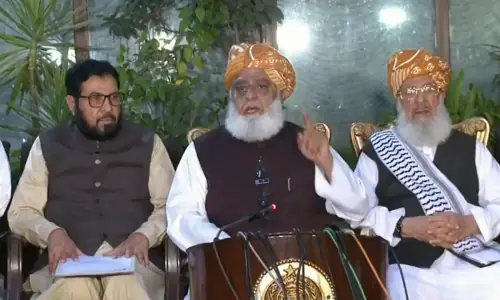
On the other hand, Jamaat and its allies made similar claims. Its chief Shafiqur Rahman, in a midnight presser, alleged that results in several constituencies were being “withheld” despite vote counting having been completed.
“As far as we know, we are ahead in several constituencies and counting has been completed. But the returning officers concerned are not announcing the results. They are keeping them pending. We do not understand why,” he said at the party’s central office.
“At one point, the website suddenly showed the number of seats won by different parties. Then it disappeared. Again, it is not there. Our agents were made to wait for a long time,” he added.
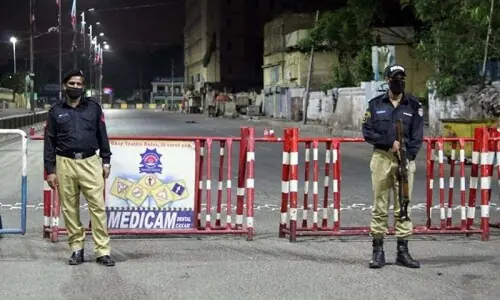
The polling, however, remained peaceful, with no reports of major violence received during the vote. Around 958,000 personnel from the police, army and paramilitary forces were deployed throughout the country, according to the Election Commission. Police and army personnel were stationed outside most polling booths.
Referendum
Alongside the election, a referendum was held on a set of constitutional reforms, including establishing a neutral interim government for election periods, restructuring parliament into a bicameral legislature, increasing women’s representation, strengthening judicial independence and introducing a two-term limit for the prime minister.
According to the results shared by The Daily Star, 73 per cent were in favour, while 27 per cent voted against the reform package.
Published in Dawn, February 13th, 2026