Religious leaders condemn Islamabad attack during prayers
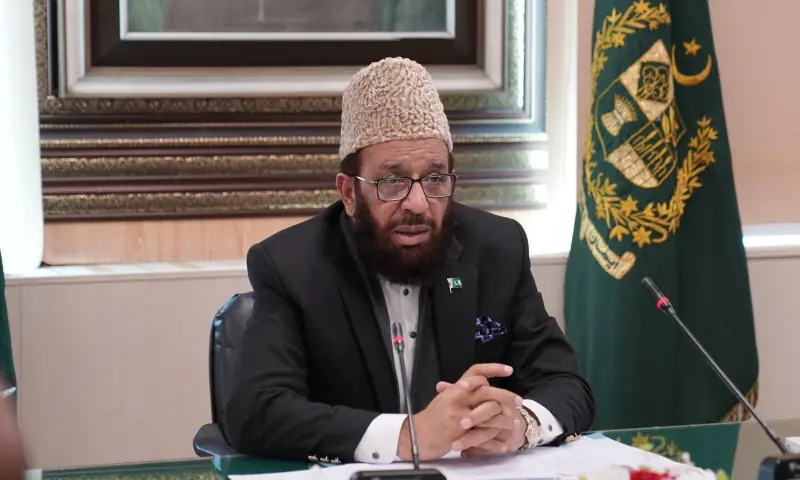
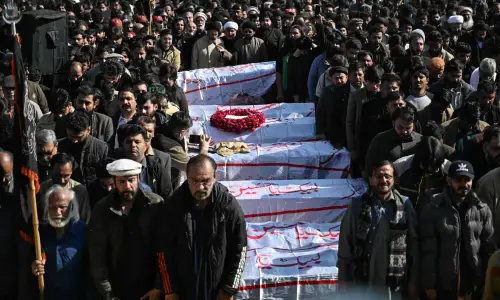
ISLAMABAD: A meeting of Ulema and Mashaikh here on Monday condemned the suicide attack during Friday prayers at Khadijah-tul-Kubra Imambargah in the Tarlai area of the federal capital.
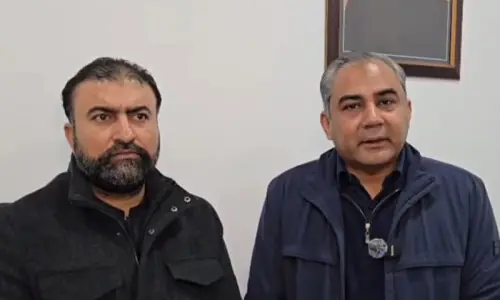
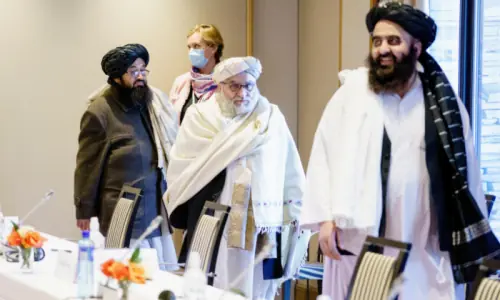
Presided over by Federal Minister for Religious Affairs Sardar Muhammad Yousuf, the meeting noted that targeting innocent people in places of worship was entirely contrary to Islamic teachings as well as constitutional and ethical principles. The meeting also expressed solidarity with the armed forces and every federating unit in their fight against terrorism.
In view of the upcoming holy month of Ramazan, the participants conveyed a message to the nation emphasising patience, piety, and mutual empathy, and appealed that inter-sect harmony and moral upbringing be promoted through pulpits to thwart every divisive conspiracy of the enemy.
The meeting outright rejected the misguided ideology of Fitna al Khawarij and all narratives of terrorism, and resolved to vigorously counter internal and external conspiracies aimed at harming Pakistan’s peace.
Ulema vow to foil narratives of sectarianism and hatred through religious guidance
The Ulema and Mashaikh pledged to play an effective role in disseminating messages of peace, tolerance, and mutual respect through their sermons and madrasas, and in safeguarding the younger generation from extremism.
An agreement was reached to strengthen coordination between the administration and management committees to enhance the security of mosques, imambargahs, and other places of worship, and to promptly report any suspicious activities.
Full support was extended to the government’s “zero tolerance policy” for the complete eradication of terrorism. It was demanded that the responsible elements be punished severely in accordance with the law, and that assistance to the families of the martyrs must be prioritised.
Also, the meeting appreciated the cooperation of the Ulema for the implementation of uniform prayer timings across the country and decided to enforce this system more effectively.
The religious scholars from all schools of thought reiterated their commitment to foil narratives of sectarianism and hatred through religious guidance and mutual cooperation, thereby strengthening peace and stability in Pakistan under all circumstances.
At the conclusion of the meeting, it was unanimously declared that the entire nation, along with the Ulema and Mashaikh, stood shoulder to shoulder with the government, particularly the armed forces, and was resolute in uprooting the menace of terrorism from its roots.
Published in Dawn, February 10th, 2026