Israel reopened the border between Gaza and Egypt on Monday for people on foot, a move that would allow Palestinians to leave the enclave and let back in those who want to return after fleeing Israel’s war in the enclave.
The reopening of the Rafah border crossing will be limited, with Israel demanding security checks for Palestinians entering and exiting. Israel and Egypt were expected to impose caps on the number of travellers.
Israel seized the border crossing in May 2024, about nine months into the Gaza war that was brought to a tenuous halt by an October ceasefire brokered by US President Donald Trump.
Rafah’s reopening was an important requirement under the first phase of Trump’s broader plan to stop fighting between Israel and Hamas.
An Israeli security official said that European monitoring teams had arrived at the crossing, which “has now opened to the movement of residents, for both entry and exit.”
Foreign Journalist barred from Gaza
In the first nine months of Israel’s assault in Gaza, launched after the October 7, 2023, Hamas attack on southern Israel, Palestinians were generally able to flee to Egypt through the Rafah crossing.
Palestinian officials say about 100,000 Palestinians have fled Gaza since the war began, most of them during the first nine months. Some were sponsored by aid groups. Others paid bribes to parties in Egypt to secure permission to leave.
Israel closed the Rafah crossing after its forces swept into the area and also closed the Philadelphi corridor that runs the length of Gaza’s border with Egypt.
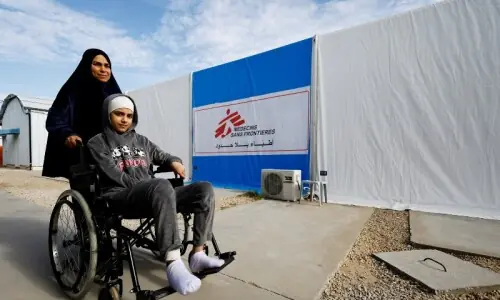
The closure cut off an important route for wounded and sick Palestinians to seek medical care outside Gaza. A few thousand have been allowed out to seek medical treatment in third countries via Israel over the past year, though thousands more are in need of care abroad, according to the United Nations.
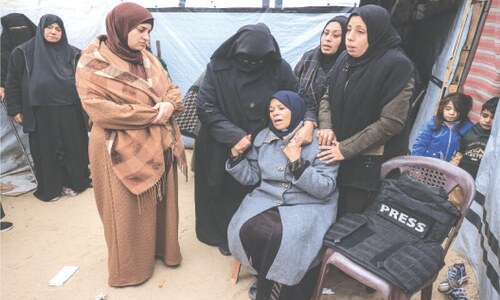
Despite the reopening of Rafah, Israel is still refusing to allow the entry of foreign journalists, who have been banned from Gaza since the start of the war, which has caused widespread destruction and laid waste to swathes of territory.
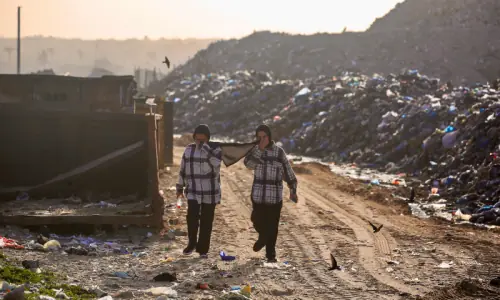
Gaza’s about 2 million Palestinians mostly live in makeshift tents and damaged homes, surrounded by the ruins of their destroyed cities.
Israel’s Supreme Court is considering a petition by the Foreign Press Association that demands foreign journalists be allowed to enter Gaza from Israel. Government lawyers have said that letting journalists into Gaza could pose risks to Israeli soldiers, while also highlighting potential risks to reporters.
The FPA rejects this, saying the public is being deprived of a vital source of independent information. It also points to the fact that many aid and United Nations workers have been allowed to enter the enclave since the war started.
Trump’s plan for Gaza, now in its second phase, foresees governance being handed to Palestinian technocrats, Hamas laying down its weapons and Israeli troops withdrawing from the territory while it is rebuilt.
Israel has cast doubt on the prospect of Hamas laying down its arms and some officials say the military is preparing for a return to war.
Since the October deal was struck, Israeli attacks in Gaza have killed more than 500 Palestinians, health officials say.
On Saturday, Israel launched some of its most intense air strikes since the ceasefire, killing at least 30 people, in what it said was a response to a Hamas violation of the truce on Friday.