FBR’s tax collection rises 16pc in January
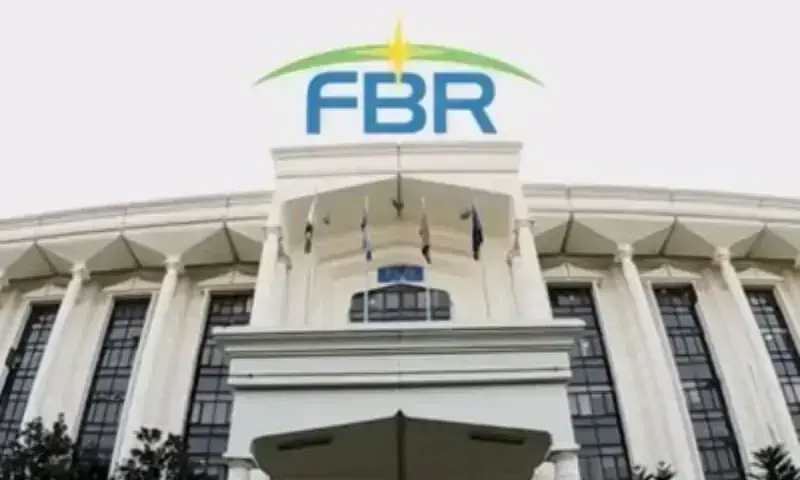
ISLAMABAD: The Federal Board of Revenue (FBR) recorded a significant 16 per cent increase in tax collection for January, amounting to Rs1.031 trillion, compared to Rs873 billion in the same month last year.
This growth has revived expectations of achieving double-digit growth in the months ahead.
However, the January collection fell short of the Rs1.047tr target, missing it by Rs16bn. Despite this, the results suggest a positive outlook for the remainder of FY26, outpacing the average 10-11pc growth seen over the past six months.
An official FBR statement highlighted the growth in direct taxation, modest gains in indirect taxes, and a generally improved performance across the board. The month’s figures underscore the success of the FBR’s reform-driven revenue mobilisation strategy.
Performance signals hopeful trajectory for FY26 despite missed target
Nonetheless, the FBR has faced challenges in meeting its broader fiscal targets. Between July and January (7MFY26), the board collected Rs7.176tr, falling short of the Rs7.521tr target by nearly Rs345bn. Despite this, the collection was 11pc higher than the same period last year, which saw Rs6.490tr.
The shortfall is largely attributed to a dip in domestic sales tax collection, the suspension of super tax, and other factors. However, a recent ruling by the Federal Constitutional Court, which upheld the super tax, is expected to generate Rs300bn in revenue, potentially bridging the seven-month gap.
The IMF had already reduced the FBR’s annual tax target by Rs150bn in its last review. In FY25, the FBR missed its revenue goal by nearly Rs163bn, collecting Rs11.737tr against a revised target of Rs11.900tr. This marked a 26.19pc growth from Rs9.301tr in FY24.
In July-January FY26, the FBR issued Rs339bn in refunds, up 7.96pc from Rs314bn a year ago. Income tax receipts totalled Rs3.512tr, falling short of the Rs3.639tr target by Rs127bn, but still reflecting an 11pc increase from the previous year. Sales tax collections amounted to Rs2.447tr, falling short by Rs198bn, yet showing a 10pc rise over last year’s Rs2.219tr. Customs duties stood at Rs752bn, missing the target by Rs28bn, but growing 6pc year-on-year.
Federal Excise Duty (FED) collection exceeded expectations, reaching Rs465bn, 15pc higher than the Rs404bn collected last year.
January’s income tax collection showed a remarkable 26pc year-on-year increase, demonstrating the positive impact of the FBR’s structural reforms, particularly in enforcement and the resolution of tax disputes. Sales tax collections for the month were up 12pc, reflecting a rebound in large-scale manufacturing (LSM), a promising sign for the economy.
The FBR’s strategic reforms — boosted by digital infrastructure and enhanced enforcement — are contributing to better tax compliance, a broader tax base, and greater trust among taxpayers. This shift in direct taxation suggests growing voluntary compliance, which could yield further benefits in the months ahead.
FBR officials remain optimistic that continued recovery in LSM will help meet the fiscal year’s revenue targets.
Published in Dawn, February 1st, 2026