


Scenes from Popeye the Sailor cartoons play in my head whenever I cook saag. Whatever perilous situation Popeye may land himself into, a can of spinach magically appears, which he quickly opens and empties into his mouth, growing so strong and muscular as to be able to break through all barriers and beat the daylights out of all villains and emerge victorious.
When we were kids, my mother always made sure that we got to watch Popeye cartoons, because they were good tools to convince us to eat spinach, which we weren’t too keen on at that age.
There are many different types of saag [leafy greens] but the ones cooked at our house were either palak [spinach] or sarsoon [mustard]. Both looked similar to me as the leaves of both were dark green in colour and mushy. The palak would often be cooked with meat but sarsoon was often cooked with cottage cheese in it.
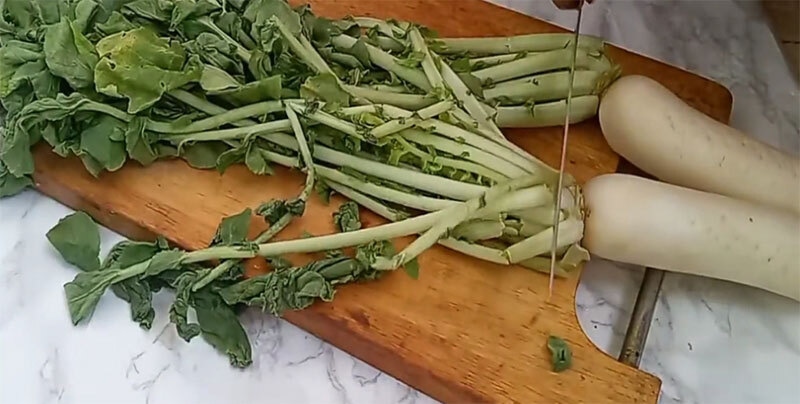
Sometimes, if the cook was feeling adventurous in the kitchen, he would cook mooli ke paton ka saag [radish greens]. I only tried it recently and it seemed somewhat bitter to me. But a friend swears the best combo saag is one his mother makes, combining the green leaves of sarsoon, shaljam [turnip] and mooli as well as radishes themselves. I have yet to try that.
Sarsoon ka saag and makai ki roti aren’t just dishes, they are winter traditions — heralding Basant and the harvest season
Popeye may have exaggerated things but the nutritional value of these leafy greens cannot be denied. Spinach is packed with vitamins A, C and K, along with iron, folate and fibre. Nutritionists say that regular consumption of spinach promotes heart health, boosts immunity, strengthens bones and is great for your eyesight and skin.
As for mustard leaves, they are also full of vitamins A, C and K, and have antioxidant and anti-inflammatory benefits. Radish leaves are also rich in vitamins A and C, calcium, potassium and magnesium. They may also boost immunity and strengthen bones, besides cleansing the liver of toxins.
These leafy greens, especially mustard and radish, are primarily winter and spring crops. It is also around this time of year, between October and March, when mustard fields dazzle with yellow flowers, heralding the Basant festival where people dress up in matching yellow outfits and fly kites, reflecting the colours of other spring flowers. It is basically a harvest season celebration.
The most sought-after dish at these celebrations is sarsoon ka saag and makai ki roti [flat bread made of maize flour]. On the side, people love to have butter, cheese and salads, which include radishes and their leaves.
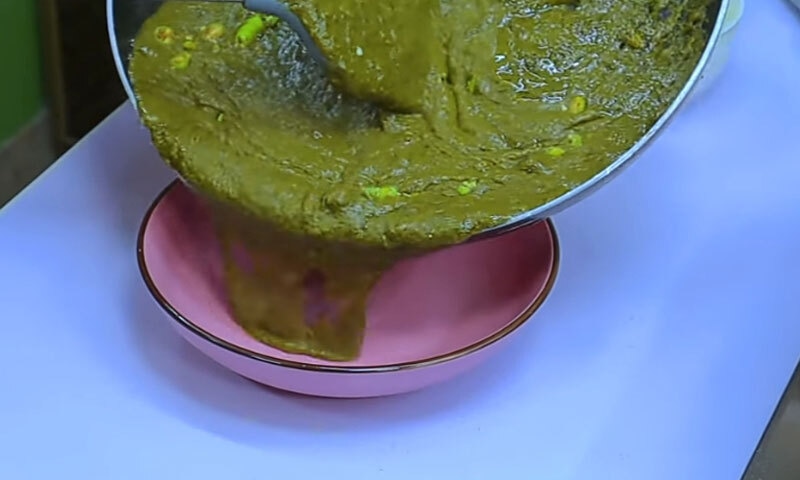
METHOD
Here’s how to prepare these nutritious greens at home.
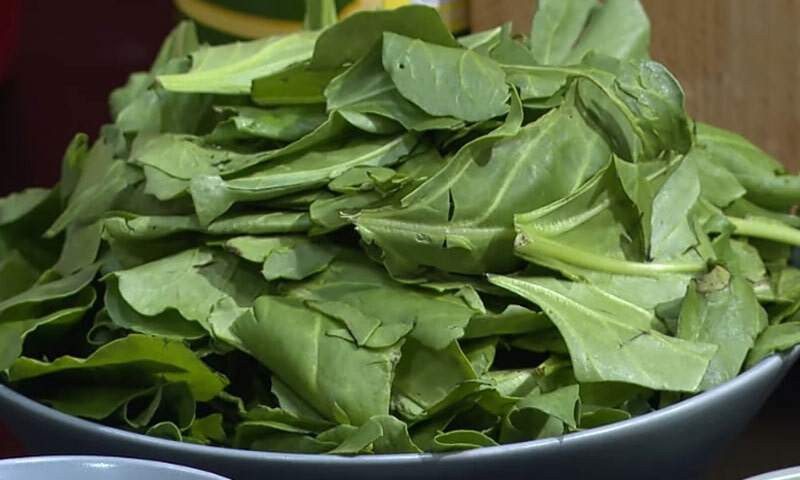
For spinach, wash and boil around one kilogramme of fresh spinach leaves in a cupful of water after removing the stalks. Either shred the leaves before boiling or grind them in a food processor later for a smoother consistency.
The spinach leaves have enough natural moisture, so there is no need to add more water to the pan while boiling them. When the moisture has evaporated, transfer the boiled leaves, which must have reduced in size, to a bowl if you don’t want to grind them.
Set the boiled spinach aside while you prepare the curry base by frying chopped onions in about half a cup of oil, till they turn light golden. Add the usual spices, including salt (to taste), ginger and garlic paste (one to two teaspoons), white cumin seeds (one teaspoon), red chilli powder (one teaspoon), turmeric (one teaspoon), coriander powder (one teaspoon) and garam masala powder (half teaspoon), while sautéing briskly before adding the boiled leaves and two to three whole green chillies.
If you are cooking spinach with meat, you should add the meat before adding in the boiled spinach leaves. Add six cups of water for mutton or beef and three cups of water for chicken. Add the boiled spinach leaves and green chillies only after the meat is tender. Then, lower the heat. Cook for 10 minutes on low heat, then remove.
Sarsoon or mooli ka saag is cooked plain. You can optionally add an equal amount of palak, along with a handful each of methi [fenugreek] leaves and soya [dill] at the boiling stage. Cottage cheese cut into small squares is added while sautéing the leaves, after which the saag is cooked on low heat for 10 minutes.

For makai ki roti, you need maize flour, which is typically yellowish in colour. Add some cooking oil or ghee to the flour before adding water to knead into a soft dough. Then divide into equal-sized balls, before gently flattening and spreading them thin while your fingers are greased with cooking oil or ghee. Place on a hot griddle and cook on both sides.
The writer is a member of staff. X: @HasanShazia
Published in Dawn, EOS, February 1st, 2026