Maritime sector posts record Rs100bn profit in 2025
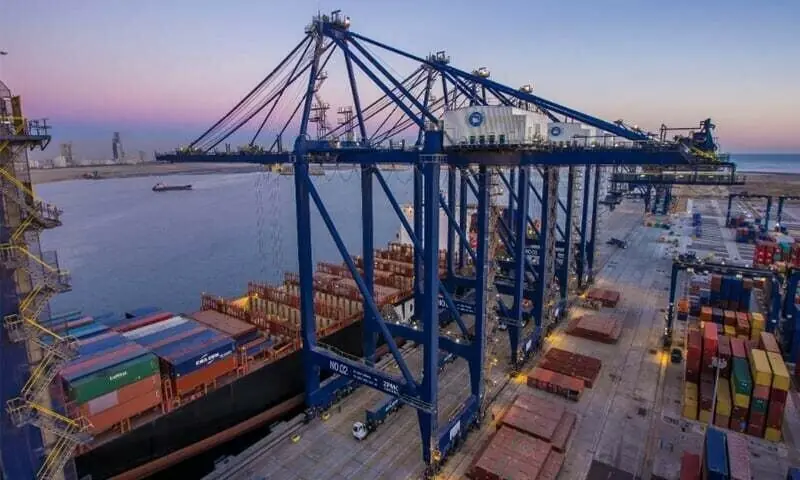
ISLAMABAD: The maritime sector posted a record Rs100 billion profit in 2025, mainly due to reforms in port efficiency, cost reduction and the clearing of long-delayed policies.
In its annual performance report, the Ministry of Maritime Affairs highlighted that these reforms ranged from modernising ports, shipping and fisheries sectors to unlocking the full potential of the blue economy.
Karachi Port handled a record 54 million tonnes of cargo, while average vessel dwell time was reduced by 24 to 36 hours through closer coordination among port authorities, customs and other agencies, achieving an average turnaround of five days in line with regional benchmarks.
Cost-cutting measures delivered substantial savings. Reduced overtime at the Karachi Port Trust (KPT) saved about Rs70 million per month, while the abolition of 2,152 redundant posts across maritime entities lowered human resource costs by billions of rupees.
The first bunkering facilities were also established at Karachi Port and Port Qasim, expected to save foreign exchange and attract transshipment traffic. The KPT and Port Qasim Authority reclaimed around 150 acres of encroached land, valued at roughly Rs110 billion.
Minister for Maritime Affairs Junaid Anwar Chaudhry said a central element of the overhaul was the finalisation of the National Maritime Policy, which brings shipping, ports, fisheries and maritime security under a single framework to guide sustainable growth.
“The government also approved a National Shipping Policy aimed at expanding the Pakistan-flagged fleet to reduce reliance on foreign carriers, a longstanding drain on foreign exchange,” he added. He said stakeholder consultations had been completed on the National Fisheries and Aquaculture Policy, which targets annual seafood exports of $2 billion and the creation of around two million jobs across coastal communities and allied industries.
At the deep-sea port of Gwadar, 72 acres of free-zone land were handed over to operators, while bids were invited for an off-dock terminal on 100 acres to attract transit trade from Central Asia and beyond.
Published in Dawn, January 25th, 2026