0
0

ISLAMABAD: The cost of doing business in Pakistan is about 34 per cent higher than in regional economies, creating a serious competitiveness crisis for local industry, a business group said on Thursday.
In a statement, the Pakistan Business Forum (PBF) said higher operating costs had “severely undermined” the ability of local industries to compete in international markets.
It said that due to irrational taxation, excessive energy costs and currency instability, Pakistan’s exporters were unable to match regional competitors, resulting in stagnant exports since 2022 despite global trade recovery in several sectors.
PBF Chairman Ahmad Jawad said that in the given scenario, Pakistani businesses were struggling to survive, let alone expand exports, as their cost structures remain misaligned with regional economies such as Bangladesh, India and Vietnam.
Mr Jawad emphasised that to address this alarming situation, Pakistan must immediately rationalise its taxation system, reduce the cost of electricity and gas for industry and adopt a clear policy aimed at strengthening and stabilising the rupee.
PBF warns of competitiveness crisis, calls for tax, energy reforms
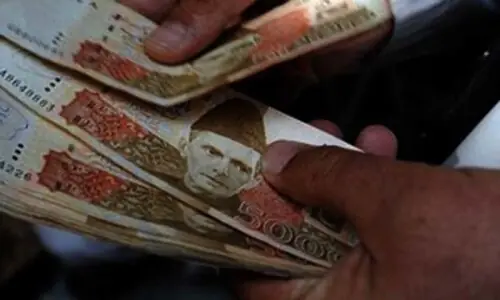
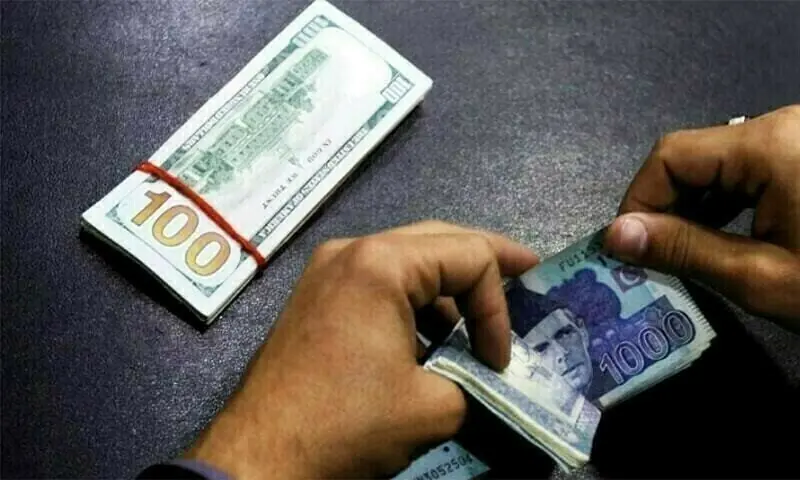
He said the rupee should be stabilised at Rs240 per dollar, saying that a stronger and more predictable exchange rate would help curb inflation, lower imported raw material costs, and bring stability to export orders. He recalled that continuous devaluation had failed to boost exports and had instead fuelled inflation, increased production costs and eroded business confidence.
The PBF noted with disappointment that over the last six years, the rupee had devalued by nearly Rs160 against the dollar, a situation that reflected poor economic management rather than market fundamentals.
“For the time being, the rupee is holding its position, but when we look at the country’s foreign exchange reserves, the current dollar price against the rupee is still excessively high and not truly market-driven,” Mr Jawad said, adding that artificial devaluation had only benefited speculative elements while damaging productive sectors of the economy.
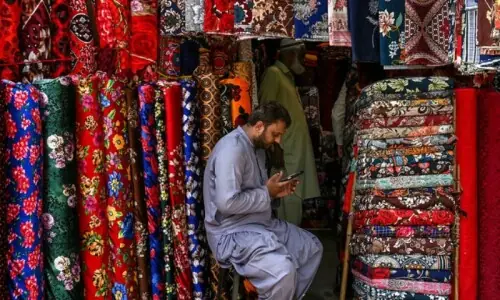
Highlighting the crisis in the cotton sector, PBF Chairman for South and Central Punjab Malik Talat Suhail expressed grave concern over the closure of more than 400 cotton ginning factories, which had disrupted the entire cotton value chain and negatively impacted farmers, ginners and the textile industry.
Mr Sohail said cotton ginners were not being provided with a level playing field due to the unjustified imposition of 18pc GST on local cottonseed and oil cake, which had increased costs and reduced demand for local cotton, ultimately causing financial losses to farmers.
He said cotton was one of the most important components of Pakistan’s import bill, and removing the 18pc GST on cotton seed and oil cake would significantly encourage cotton cultivation in Punjab and Sindh, reduce dependency on imports and help revive the domestic cotton economy.
He urged the government to take immediate action and issue an SRO for the withdrawal of GST on cottonseed and oil cake by February, as early cotton harvesting begins by the end of next month.
He stressed that without timely policy intervention, Pakistan risks further decline in cotton production, continued closure of ginning factories and increased pressure on foreign exchange reserves.
The PBF warned that failure to implement urgent structural reforms will lead to long-term deindustrialisation, loss of export markets, rising unemployment and deeper economic instability.
It also called upon the federal government to engage with stakeholders and adopt pro-business, pro-export, and pro-farmer policies to restore competitiveness, revive exports and place Pakistan’s economy back on a sustainable growth path.
Published in Dawn, January 23rd, 2026