Scheme for electric vehicles launched
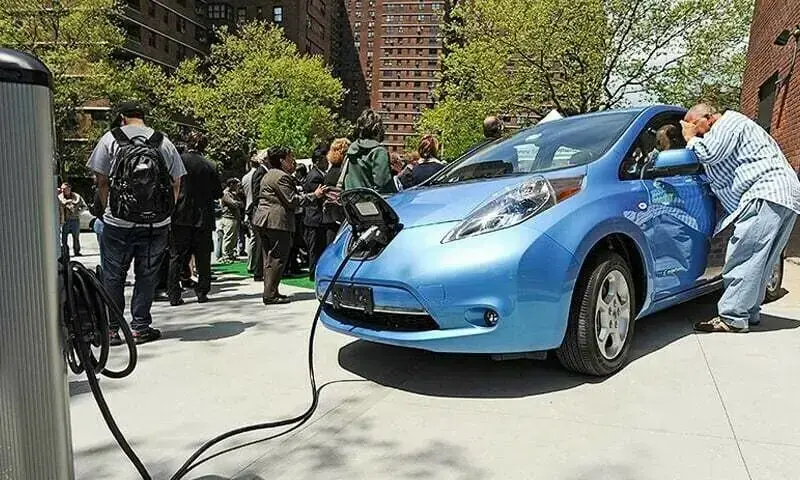


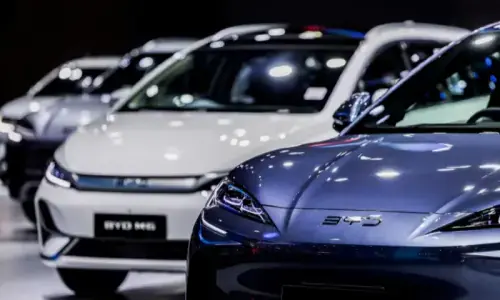
ISLAMABAD: The government has launched a scheme to promote electric vehicle mobility across the country.
The Pakistan Accelerated Vehicle Electrification (PAVE) scheme aims to accelerate the country’s transition towards clean, affordable and sustainable transportation, reduce reliance on fossil fuels and support the growth of domestic electric vehicle manufacturing.
Under the scheme, a total subsidy of Rs100.36 billion will be provided over five years, until 2030, for electric bikes, rickshaws, loaders, cars, buses and trucks. The Engineering Development Board (EDB), an attached department of the Ministry of Industries and Production, is currently implementing Phase-I of the Prime Minister’s Electric Vehicle Adoption Scheme under the New Energy Vehicles Policy (NEVP) 2025-30.
Phase-I provides financial and capital subsidy support for a total of 41,000 electric vehicles nationwide, including 40,000 electric bikes and 1,000 electric rickshaws and loaders.
Building on this momentum, Phase-II of the scheme will extend facilitation to an additional 78,170 electric vehicles, involving a total subsidy of Rs8.95bn during 2025-26.
Under the self-finance scheme, successful applicants pay the full cost of the e-bike to the manufacturer, after which a subsidy of up to Rs80,000 is reimbursed directly into the applicant’s account by the State Bank following verification.
Under the bank lease scheme, two-wheeler and three-wheeler electric vehicles will be provided by the government on easy instalments at subsidised rates.
Following the formal launch of Phase-I, the capital subsidy disbursement process has commenced, marking the scheme’s progression into the operational stage. Subsidies have already been transferred to the first set of verified applicants under both the self-finance and bank lease schemes.
The scheme is being implemented through close coordination among the EDB, Ministry of Industries and Production, State Bank, Punjab Information Technology Board, Nadra, participating banks, and approved original equipment manufacturers to ensure robust digital verification, transparency and timely release of subsidies to beneficiaries.
Published in Dawn, January 22nd, 2026