Balambat rehab centre ray of hope for drug addicts
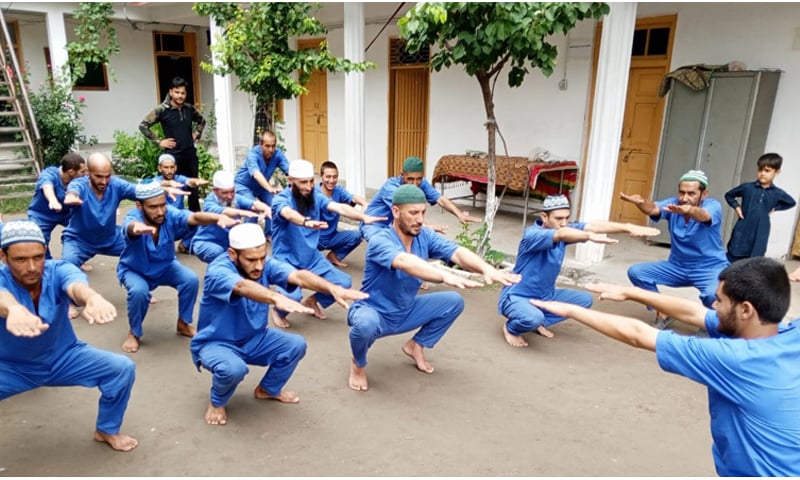
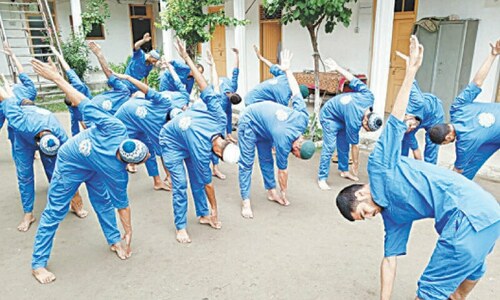
LOWER DIR: A rehabilitation centre for drug addicts operating in a rented building at Balambat area of Lower Dir has emerged as a last ray of hope for drug abusers and their families, who have urged the Khyber Pakhtunkhwa government to provide permanent facilities and financial support to strengthen its services.
Speaking to local journalists in Timergara, relatives of patients undergoing treatment at the centre said dozens of drug addicts were currently enrolled and receiving proper care and supervision. However, they said the centre lacked adequate facilities due to space constraints as it was housed in a rented building.
They urged the provincial government and high ups of the social welfare department to allocate land for a purpose-built facility, establish a computer centre and approve financial assistance for poor patients through Zakat and Baitul Mal funds.
The families pointed out that while some private rehabilitation centres were also operating in the district, their high fees made them unaffordable for low-income households. They said the staff at the government-run centre remained engaged round the clock in the treatment and training of patients, adding that enhanced facilities would significantly improve its performance.
When contacted, Rehabilitation Officer Nisar Ahmad of the Rehabilitation and Detox Unit of the Social Welfare, Special Education and Women Empowerment Department, Lower Dir, said 32 patients from Lower Dir, Upper Dir, Chitral and Bajaur districts were currently admitted to the centre, where both medical treatment and rehabilitation activities were underway.
“Since 2021, more than 2,000 individuals have successfully completed treatment and rehabilitation at the facility,” he added.
Nisar Ahmad said the rehabilitation centre, established in 2007, accommodated patients for a 90-day programme. The first 15 days were dedicated to detoxification, followed by medical treatment, psychological counselling and religious guidance.
He said indoor games were regularly arranged for patients, while national days were celebrated throughout the year to promote positive engagement. A psychologist from the Child Protection Unit was available for mental health counselling, while other staff included a religious teacher, a warden, two security guards, a cook, a medical technician, a driver and clerical personnel.
After one month, patients were provided vocational skills training including electrical work and cooking to help them reintegrate into society and lead dignified life after being discharged, he said.
Highlighting financial constraints, the rehabilitation officer said the centre paid Rs70,000 per month in rent, while annual expenses for food and medicines ranged between Rs7 to Rs8 million. He added that although a driver was available, the centre lacked a vehicle and there was also a pressing need for a permanent medical officer and a qualified psychologist.
Published in Dawn, January 10th, 2026