Exotic fish species are threat to aquatic biodiversity, govt warned


 0
0

KARACHI: The World Wide Fund for Nature-Pakistan (WWF-P) has called upon the government to keep a vigil on the introduction of exotic fish species in the country and to establish quarantine facilities for keeping fish species imported for aquaculture and aquarium trade.
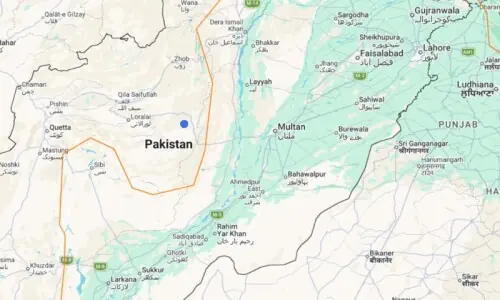
The organisation issued a statement on Monday, describing invasive fish species a looming threat to aquatic biodiversity and fisheries economy after an unusual fish was brought to the Karachi Fish Harbour from Sukkur on Sunday and no one there was able to identify it.
“It was an Amazon sailfin catfish. This fish, which has thick armoured body covered with bony plates, is an exotic fish that has an exotic species accidently introduced into natural water bodies and is spread in the provinces of Sindh and lower Punjab,” the WWF-P said, adding that the catfish is native to Latin America and is popular around the world as an aquarium fish.
It said: “This species is among the 26 invasive fish species that have been introduced in Pakistan accidentally or deliberately, and have become invasive, have a detrimental impact on the aquatic biodiversity of Pakistan, and are threatening the delicate balance and function of the ecosystem.
WWF-Pakistan calls for strict oversight on fish imported for aquaculture and aquarium trade
“Invasive fish species are known to severely disrupt aquatic ecosystems by outcompeting natives for food and space, preying on them, introducing diseases, and altering habitats, leading to biodiversity loss, economic damage to fisheries, and even ecosystem collapse, with impacts ranging from increased water turbidity to native fish extinctions and significant losses in commercial fishing revenue. The spread of invasive species is considered a serious threat to delicate aquatic ecosystems in natural water bodies, including rivers, streams, and lakes in Pakistan,” the organisation said.
Considering the serious impact of invasive fish on the aquatic ecosystem, WWF-P has ensured inclusion of these species in the recent revision of the National Biodiversity Strategy and Action Plan under the Convention on Biological Diversity as a potential threat to national biodiversity.
“WWF-Pakistan has requested all concerned organisations including the Ministry of Climate Change and Environmental Coordination, and the Animal Quarantine Department (under the Ministry of National Food Security and Research), to keep a vigil on the introduction of exotic fish species in Pakistan and to establish quarantine facilities for keeping fish species imported for aquaculture and aquarium trade,” the statement said.
Published in Dawn, January 6th, 2026