CJP stresses swift resolution of tax disputes
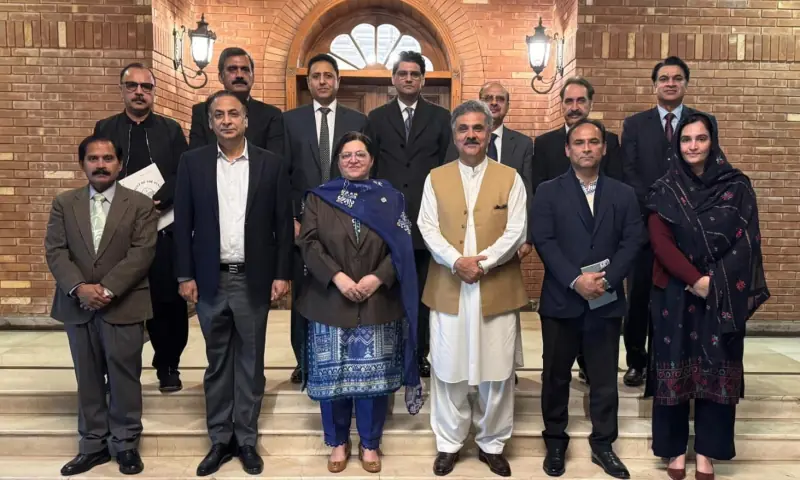

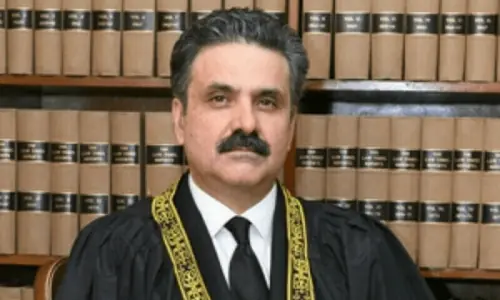
ISLAMABAD: Chief Justice of Pakistan Yahya Afridi chaired a high-level meeting to consider strategic reforms aimed at expeditious disposal of high-impact tax litigation, amid concerns that prolonged disputes are constraining fiscal space and undermining economic stability.
According to an official statement, the meeting was attended by Supreme Court’s Justice Miangul Hassan Aurangzeb, Federal Board of Revenue (FBR) chairman, member FBR (Legal), and other senior officials.
Participants held detailed deliberations on developing a sustained institutional framework to address long-pending and high-value tax cases, with a focus on reducing litigation backlogs, enhancing legal certainty, and protecting public revenue.
The CJP observed that prolonged tax litigation adversely affects investor confidence and weakens economic predictability, stressing that the timely adjudication of such matters is critical for national economic health. He reiterated the judiciary’s commitment to supporting reform initiatives that promote efficiency, predictability, and swift justice in cases with direct economic consequences.
The meeting discussed several reform-oriented measures, including the prioritisation and fast-tracking of high-stakes tax disputes, improved coordination between tax authorities and the judiciary, strengthening legal preparedness and case management, and exploring procedural and institutional mechanisms to ensure consistency and speed in adjudication. The initiative forms part of the broader justice sector reform agenda aimed at improving governance, reducing systemic delays, and aligning judicial processes with Pakistan’s economic and development priorities.
Published in Dawn, January 4th, 2026