With a grandmother from Bannu in Khyber Pakhtunkhwa, we cousins were all quite familiar with having the traditional comfort food painda (or sohbath) at home at least once or twice a month.
Whenever our mothers would be short on food ideas, they would resort to this simple but rich comfort food. The more adventurous among us kids would simply dig into their bowls of painda with bare hands, while the finicky ones would be offered a spoon to have it with.
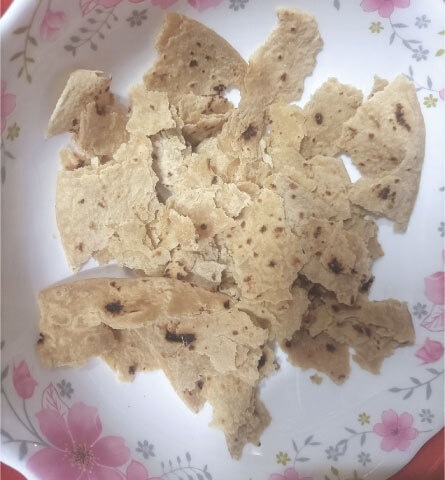
So it came as a surprise to us all to find Mimi, our eldest cousin, who married into a family from Waziristan, complaining about the painda meals being offered in her new family. “No, they don’t eat like we do,” she cried. “The entire family sits on the floor around a big earthen platter with watery broth, in which they drop in pieces of roti, mixed in with their hands before eating from the same platter,” she continued.
“In between morsels, the broth also drips from their fingers and chins,” she complained.
A wholesome and healthy curry from Khyber Pakhtunkhwa is a great-tasting comfort food
“I can’t eat like that. I either order food from outside or make an omelette for myself.”
To be fair, the cousins were also a little taken aback as we never ate together from the same platter. We took whatever amounts of shorba [curry] we wanted along with the meat, potato and boiled eggs, and chapati [flatbread] and condiments of our choice, to mix and mash it all up in our plates before gorging on it.
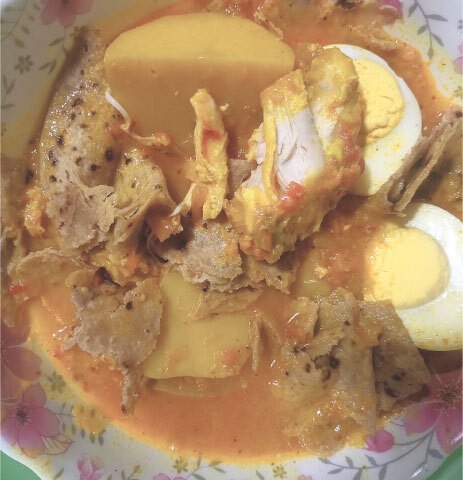
Our grandmother then decided to have a little talk with us about this simple but flavourful dish. “There are all kinds of painda,” she explained. “You can have any kind you like, where the broth may be thick or very thin. The meat may be chicken, mutton or beef and you may or may not add in any vegetables or egg,” she pointed out.
Here is the painda recipe from our grandmother, which is basically a normal curry recipe. If in Bannu, we make it with chicken, which is usually the desi home-bred variety. In metropolises, we can use farm chicken, cut into eight or 12 pieces.
We also like to add potatoes to our painda, as it helps thicken the curry. Normally, the potatoes are the reddish variety and they can be cooked peeled or unpeeled. The eggs are hard boiled and served on the side.
METHOD
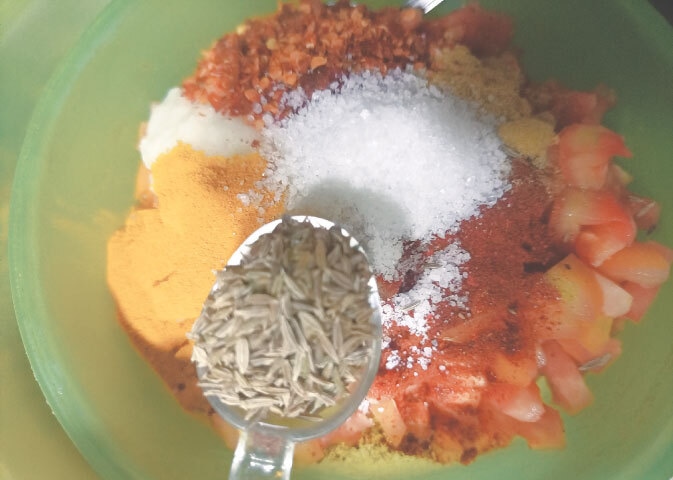
Pour one cup of oil or ghee in a cooking pot and brown two medium-sized sliced onions. Add in the usual spices: salt to taste, red chilli powder (1½ teaspoon), turmeric (one teaspoon), coriander powder (one teaspoon), white cumin seeds (one teaspoon), garam masala powder (half teaspoon), ginger and garlic paste (one or two teaspoons), with three to four tomatoes cut into small pieces. The tomatoes should go into the browned onions and oil or ghee with the spices, as the moisture in the tomatoes prevent the spices from burning.
Sauté for five minutes before adding potatoes and chicken pieces. Add a little water and sauté for another 10 minutes on medium to high flame. Keep adding water if you feel the ingredients are drying up. Then add in 12 to 15 cups of water. Bring to one boil before lowering the heat and leaving it for one hour. Add in some curry leaves and whole green chillies for fragrance.

Turn off the heat when you feel the chicken is tender enough to leave the bones and the potato has softened to the point where it will dissolve in the curry.
The consistency of the curry is also up to you. If you feel it is a little thick, add in a cup or two of water and bring the curry to two or three boils before taking it off the heat.
In case you are wondering if my cousin is still married into that family and still living on ordered food or omelettes, the marriage is going strong. The couple moved to London and painda is not really on their menus anymore.
The writer is a member of staff.
X: @HasanShazia
Published in Dawn, EOS, January 4th, 2026