TEN years after the Paris Agreement, the global climate report card is brutally honest and painfully incomplete. The system we built — from the UN Framework Convention to Kyoto’s binding targets and Paris’s nationally determined contributions — was meant to turn moral responsibility into collective action. Paris sealed a compact of solidarity: keep warming well below two degrees Celsius, pursue 1.5°C, and require those most responsible to do more. A decade on, that compact is fraying under political expediency, weak finance and geopolitical distraction. The result is not a technical failure but an ethical one, leaving millions in the Global South exposed to floods, heat and hunger.
That history matters because treaties create obligations. The UNFCCC embedded “common but differentiated responsibilities”. Kyoto operationalised it through binding commitments for rich countries. Paris softened legal categories but reaffirmed the same moral claim: those with greater historical responsibility and capacity must lead through deeper emissions cuts and sustained finance. That principle remains the benchmark against which today’s record must be judged.
By that standard, the financial gap is indefensible. UN assessments estimate developing countries will need roughly $310–365 billion annually by the early 2030s for adaptation alone. Yet international public adaptation finance reached only about $26bn in 2023. This is not a marginal shortfall; it is a moral chasm. Vulnerable countries are being asked to absorb escalating climate shocks without the means to protect their people.
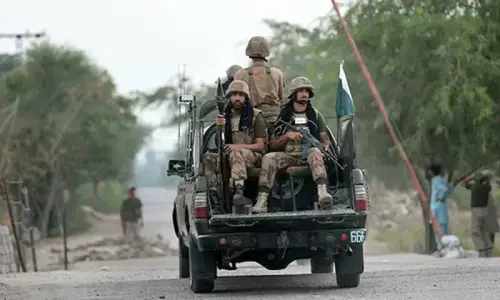
The contrast with other spending priorities is stark. Global military expenditure exceeded $2.4 trillion in 2023. These sums dwarf adaptation needs many times over. The issue is not technical feasibility but political choice. Governments mobilise vast resources for deterrence and warfare, while investments in survival — flood defences, resilient agriculture, early warning systems, cooling infrastructure — remain chronically underfunded. That imbalance reveals what the international system values.
A decade on, the Paris compact is fraying.
Why has the world fallen so far short? Fossil-fuel interests continue to delay transition. Short electoral cycles reward incrementalism where systemic change is required. Climate finance relies heavily on loans and private capital, shifting risk onto the poorest and deepening debt distress. Meanwhile, wars and rivalries crowd out climate urgency, sustaining the illusion that security can be separated from survival.
These explanations clarify behaviour, but they do not excuse it. Fiscal constraints are invoked selectively. When political will exists, governments find the money.
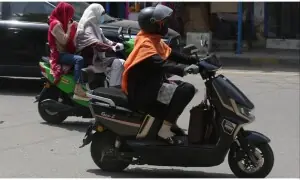
The human cost is already visible. In South Asia, repeated floods erase livelihoods faster than recovery finance arrives. In Pakistan, climate-amplified monsoons and heatwaves have pushed food systems and infrastructure beyond design limits. When keeping warming to 1.5°C — a threshold that would spare hundreds of millions from extreme harm — remains narrowly possible, continued delay by wealthy nations amounts to knowingly condemning poorer populations to harsher futures.
What must change is clear. Public, grant-based adaptation finance and loss-and-damage funding must scale up rapidly. Loans cannot substitute for predictable support. Loss and damage must be fully operationalised with reliable, additional funding. Multilateral development banks must expand concessional finance, ease punitive conditionalities and link debt relief to resilience. New revenue streams — including windfall levies on fossil fuels and selective redirection of military spending — must be mobilised. Accountability must be strengthened through transparency and rights-based approaches that centre affected communities. The solutions must be fair, timely and result-based. Words without matching actions don’t merely sound hollow, they erode trust in the multilateral system and its credibility as an honest broker. With 1.5ºC in jeopardy, the world needs to focus on staying below 2ºC. The beginning of 2026 should serve as a wake-up call for global negotiators, national policymakers and regional leaders to look at the future through the lens of climate and take action before it is too late.
The world does not lack capital or technology. It lacks the moral courage to align spending with survival. Paris was never just a technical deal; it was an ethical recognition of shared humanity and unequal responsibility. If wealthy nations continue to fund weapons without hesitation while delaying climate obligations, they are making a choice. That choice defines the climate reckoning of our time.
The writer is chief executive of Civil Society Coalition for Climate Change.
Published in Dawn, January 3rd, 2026