Path to resilience


WHEN I first arrived in Pakistan in 2005, it was in the wake of one of the most devastating disasters in the country’s history. The earthquake that struck on Oct 8 2005, shook mountains and rattled lives. Communities were grieving, responders were stretched, and the scale of need was immense. That early chapter of my career — working on early recovery after the earthquake — left a lasting impression. I saw firsthand how disasters not only disrupt lives but also reveal gaps in governance. It highlighted that preparedness is a lifeline for people living with constant risk.
In the years that followed, we supported the government in the creation of the National Disaster Management Authority (NDMA), alongside a network of provincial and district-level institutions. This marked a turning point — from reacting to emergencies to building systems that embed preparedness at every level of government and society.
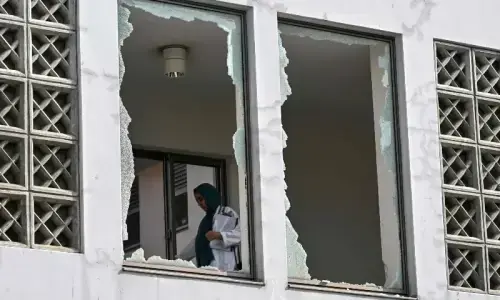
When systems work, recovery is faster: Fast forward to 2025, I visited Pakistan again after two decades, this time to witness how the country has applied these lessons. Monsoon floods this year affected 6.9 million people, destroyed more than 246,000 homes, and caused widespread damage to farmland and local infrastructure. Yet amidst the devastation, I also witnessed something profoundly hopeful — a system better prepared, coordinated, and connected across national, provincial, and local levels.
Preparedness must function as a system.
At the National Emergency Operations Centre at NDMA, I saw early warning systems in action — tracking real-time data to anticipate potential hazards. Across the country, preparedness is also being embedded in local governance. District disaster management authorities are better linked to national systems, policies and plans now integrate climate risks, and provincial teams are strengthening their early warning capacities.
The real impact of strong, resilient institutions resonates in people’s lives. After the 2025 floods, UNDP and partners were able to mobilise early recovery efforts quickly, as post-disaster needs assessments were rapidly led and coordinated by national, provincial, and district authorities.
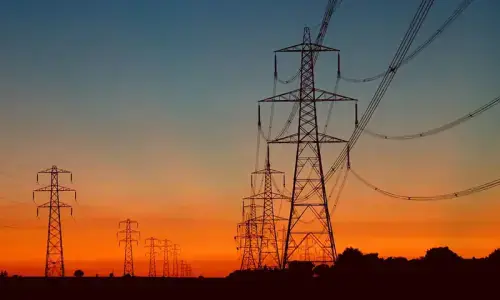
In villages of Khyber Pakhtunkhwa, communities described how early recovery efforts made a difference. Agriculture toolkits enabled them to restart cultivation. Heat-efficient stoves reduced the health and safety risks associated with cooking in temporary shelters. Solarised health facilities ensured that essential medical services continued operating despite disruptions to the power grid. These interventions show how preparedness enables faster decision-making and targeted support that builds resilience.
What Pakistan’s journey teaches us: As climate and disaster risks intensify globally, Pakistan’s progress shows that resilience grows when institutions mature, coordination strengthens, and risk is understood at every level of society. Three lessons from its journey can inform resilience-building everywhere.
First, preparedness must function as a system. When institutions evolve into a coordinated national, provincial and district network, preparedness becomes coordinated and implemented. Systems that monitor hazards, learn from past events and act early to protect development gains and reduce the human cost of crises long before response teams arrive.
Second, resilience must be built from the ground up. National frameworks set direction, but disasters unfold locally
— where people make daily decisions about safety and survival. Empowering district authorities, community networks and front-line workers turns information into timely response. When people understand risks and have the means to respond, early warnings translate into life-saving action.
Third, empowering women to lead. Women carry responsibilities that shape how families prepare, cope and recover. They manage household services including water, food, energy and caregiving, while also building social ties that hold communities together. When they participate in planning and decision-making, preparedness becomes more effective and sustainable.
A future built on preparedness: Pakistan’s experience shows that resilience is built long before a disaster strikes. The systems that protect people — strong institutions, local leadership, and empowered women — are what every country needs as risks grow. These lessons are not Pakistan’s alone. When these foundations are strong, communities everywhere can face uncertainty with greater confidence and hope.
The writer is UN assistant secretary-general and assistant administrator, and director of the Crisis Bureau of the United Nations Development Programme.
Published in Dawn, December 30th, 2025