Fuel shortage forces Gaza hospital into stasis


 0
0

KHAN YUNIS: A major Gaza hospital has suspended several services because of a critical fuel shortage in the devastated Palestinian territory, which continues to face a severe humanitarian crisis, it said.
Devastated by more than two years of war, the Al-Awda Hospital in the central Gaza district of Nuseirat cares for around 60 in-patients and receives nearly 1,000 people seeking medical treatment each day.
“Most services have been temporarily stopped due to a shortage of the fuel needed for the generators,” said Ahmed Mehanna, a senior official involved in managing the hospital. “Only essential departments remain operational: the emergency unit, maternity ward and paediatrics.”
To keep these services running, the hospital has been forced to rent a small generator, he added.
Under normal conditions, Al-Awda Hospital consumes between 1,000 and 1,200 litres of diesel per day. At present, however, it has only 800 litres available.
Despite deal to allow 600 aid trucks to enter enclave daily, Israel only allows in 100-300
“We stress that this shutdown is temporary and linked to the availability of fuel,” Mehanna said, warning that a prolonged fuel shortage “would pose a direct threat to the hospital’s ability to deliver basic services”.
He urged local and international organisations to intervene swiftly to ensure a steady supply of fuel.
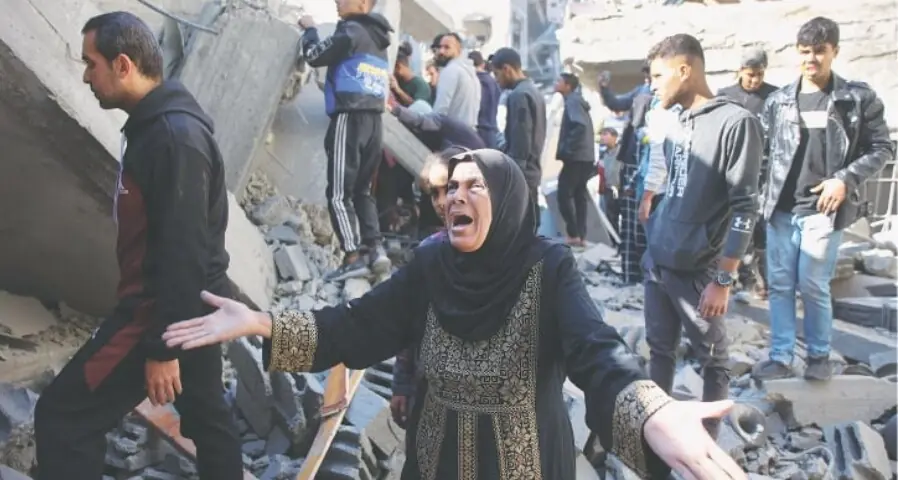
Despite a fragile truce observed since October 10, the Gaza Strip remains engulfed in a severe humanitarian crisis.
While the ceasefire agreement stipulated the entry of 600 aid trucks per day into Gaza, Israel only allows 100 to 300 to enter, according to the United Nations and non-governmental organisations.
The remaining convoys largely transport commercial goods that remain inaccessible to most of Gaza’s 2.2 million people.
On a daily basis, the vast majority of Gaza’s residents rely on aid from UN agencies and international NGOs for survival.
Gaza’s health sector has been among the hardest hit by the war.
During the fighting, the Israeli miliary repeatedly attacked and destroyed hospitals and medical centres across Gaza.
International medical charity Doctors Without Borders now manages roughly one-third of Gaza’s 2,300 hospital beds, while all five stabilisation centres for children suffering from severe malnutrition are supported by international NGOs.
Israel’s war on Gaza has claimed the lives of at least 70,942 people, mostly civilians.
Published in Dawn, December 27th, 2025