Uproar in EU over US sanctions against anti-hate campaigners

• Five individuals, including ex-European commissioner, targeted for alleged coercion of US platforms
• Macron decries ‘intimidation’ amid fury from European allies
• EU commission warns of a strong response to defend regulations
BRUSSELS: The European Union and several major states have condemned US sanctions on five European figures involved in tech regulation, calling the move an attack on EU sovereignty.
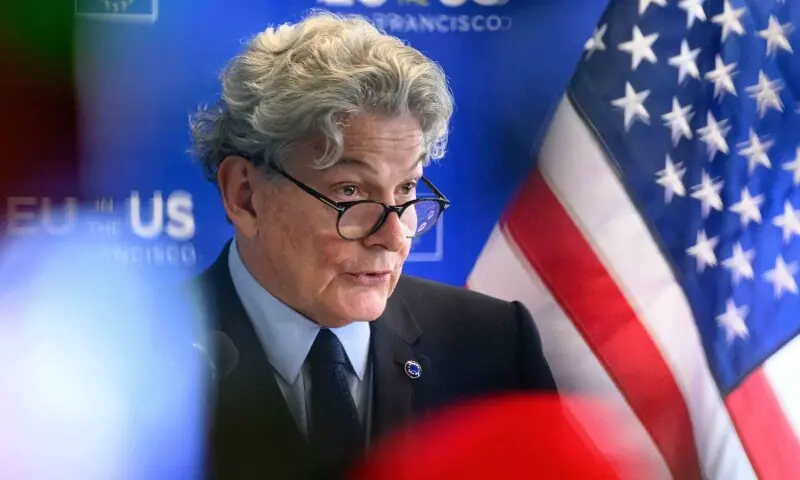
The backlash followed a decision by the US State Department to deny visas to the individuals, including former European commissioner Thierry Breton, accusing them of coercing American social media platforms into censoring disfavoured viewpoints.
The other targets are Imran Ahmed of the Centre for Countering Digital Hate; Anna-Lena von Hodenberg and Josephine Ballon of HateAid; and Clare Melford, head of the UK-based Global Disinformation Index (GDI).
France, Germany and Spain issued strong rebukes, marking a sharp escalation in transatlantic tensions over digital governance. The European Commission also warned that retaliation was possible.
“We have requested clarifications from the US authorities and remain engaged,” the Commission said. “If needed, we will respond swiftly and decisively to defend our regulatory autonomy against unjustified measures.”
The dispute erupted after US Secretary of State Marco Rubio announced the visa restrictions, saying the Trump administration would “no longer tolerate these egregious acts of extraterritorial censorship.”
Rubio accused them of leading organised efforts to censor, demonetise and suppress American viewpoints, claiming “radical activists and weaponised NGOs” were advancing foreign censorship targeting US speakers and companies.
While Rubio initially did not name the individuals, Under Secretary for Public Diplomacy Sarah Rogers later identified them, accusing the group of fomenting censorship of American speech.
French President Emmanuel Macron denounced the sanctions on X, calling them intimidation aimed at undermining European digital sovereignty.
German Foreign Minister Johann Wadephul said the DSA was democratically adopted for the EU and had no extraterritorial effect, adding that US entry bans were unacceptable.
Spain’s foreign ministry also criticised the measures as inappropriate between allies, stressing that combating illegal content and disinformation is vital for democracy.
Breton dismissed the sanctions as a “witch hunt” and political theatre, writing that “censorship isn’t where you think it is.” His successor, Stéphane Séjourné, expressed solidarity, saying no sanction would silence European sovereignty.
Published in Dawn, December 25th, 2025