Report paints alarming picture of Peshawar’s air quality crisis


 0
0
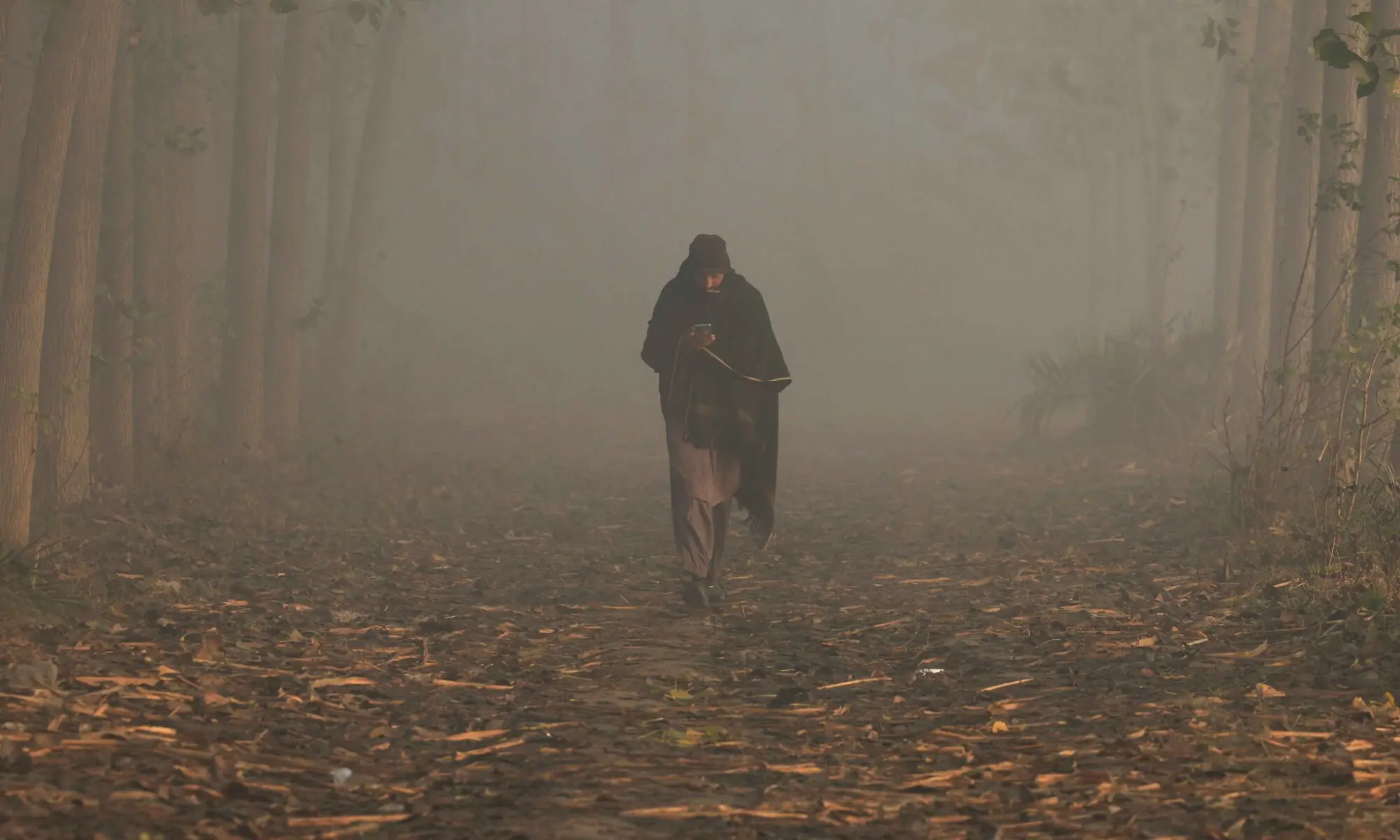

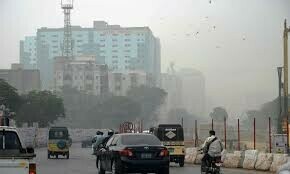
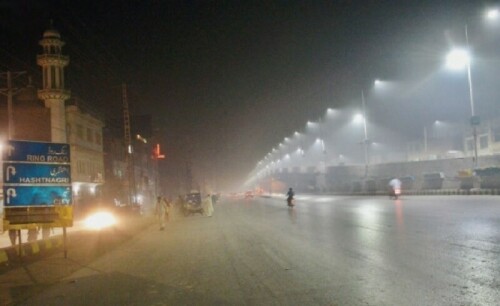
PESHAWAR: The capital of the Khyber Pakhtunkhwa province rarely appears in discussions about air quality and smog in the country.
However, this veneer of normalcy hides an alarming fact: over five million people living in the Peshawar valley breathe air so polluted that it cuts their average life expectancy by 5.8 years.
The air of Peshawar, once known as the city of flowers, according to Pakistan Air Quality Initiative’s recent report “Unveiling Pakistan’s Air Pollution, A National Landscape Report on Health Risks, Sources and Solutions”, is so polluted that it carries the highest per capita particulate matter (PM2.5) emissions (2.14 kg/person/year) among Pakistani cities.
This, in turn, exacts a devastating health burden on the people’s lives. The city’s annual average particulate matter was 95.8 µg/ m3 in 2024-over 19 times the World Health Organisation safety guidelines and more than six times national standard, cementing Peshawar status as a city facing an intense public health threat.
Says city has highest particulate matter emissions in country; calls for managing transportation, modernising brick kilns
The air quality crisis, according to the report, is itself rooted in the city’s historical role as transit hub, industries as well as Peshawar’s geography. “Peshawar faces a distinct air quality challenge, blending its role as a transport hub with a legacy of traditional, often unregulated industries.”
On the other hand, the city’s location in a geographic basin that traps pollutants, results in the highest per-capita pollution levels among Pakistan’s major cities, creating a public health crisis of grand scale.
“Peshawar’s location in a basin surrounded by mountains makes it particularly susceptible to winter pollution episodes. During the winter 2023-24, pollution levels surged to be 4.1 times higher than subsequent monsoon average,” said the report.
It said that temperature inversion trapped emissions from local and regional sources, creating prolonged periods of hazardous air quality.
“In 2024, the residents experienced zero days where the air quality met the WHO’s 24-hour guideline, while on 304 days, pollution was so high it also breached the national 24 hour legal limit,” said the report.
The roots of the city’s air quality crisis led to the city’s historic role as a transit as well as industrial hub for the rest of the province and beyond.
The report said that the Peshawar emission’s inventory revealed a pattern dominated by transportation with substantial contributions from traditional industries, central to the local economy.
According to it, transportation emerges as the largest source, contributing 51pc of particulate matter emissions while brick kilns were the second-most significant source, responsible for 19pc of the PM2.5 emission and small-scale traditional industries, including metalwork and pottery, collectively contributed 14pc of emissions.
Peshawar’s economy, according to the report, was uniquely intertwined with its pollution sources. “The heavy transit trade, while a vital economic driver, imposes significant health and infrastructure costs on the local population due to emissions from an aging, unregulated freight fleet. Similarly, the city’s traditional craft industries provide crucial livelihoods but operate with inefficient, polluting technologies,” it read.
The report proposed to decouple economic activity from environmental harm by modernising logistics and artisanal sectors.
It called for a comprehensive transportation management as transport accounted for over half of the city’s particulate matter burden so a focused strategy to manage both local and transit traffic was essential with a PM2.5 reduction potential of 20-25pc.
The report called for implementing a system to regulate transit cargo, including designated routes away from populated centres, specified hours for heavy traffic and mandatory vehicle inspections for all freight trucks passing through the air shed.
It also underscored the need to continue expanding the Peshawar Bus Rapid Transit system to provide a viable, affordable alternative to private transport for a larger portion of the city’s residents.
Regarding the industrial sector, the report proposed to modernise the brick kiln sector. “The brick kiln sector is a major polluter and a prime target for high impact emissions reduction through technological updates with a PM2.5 reduction potential of 15-18pc,” it read.
To this effect, the report proposed to accelerate and enforce the complete transition of all brick kilns in the air shed from traditional design to modern zigzag technology. Besides, it also underscored the need to explore the possibility of creating a dedicated industrial zone for brick manufacturing outside the main city basin, which could allow for shared pollution control infrastructure and better regulatory oversight.
Regarding the traditional industries, the report proposed that the goal be modernisation of artisanal trades but not their elimination to preserve livelihoods while reducing harm and such interventions had particulate matter reduction potential of 10-12pc.
For this purpose, the report suggested developing cleaner production centres for key artisanal industries like metalworking and pottery, which could provide access to modern, more efficient and less polluting equipment along with training on best practices.
Besides, it also called for providing financial support and incentive for small-scale industries to up-grade their technology and adopting cleaner fuels.
“By pursuing a balanced approach that upgrades environmental performance while respecting cultural heritage, Peshawar can chart a distinctive path towards cleaner air. This transition would not only improve public health outcomes but also demonstrate how traditional knowledge and modern environmental science can work together to create sustainable urban futures,” it said.
Published in Dawn, December 12th, 2025