Navigating the digital shift in Pakistan’s media landscape
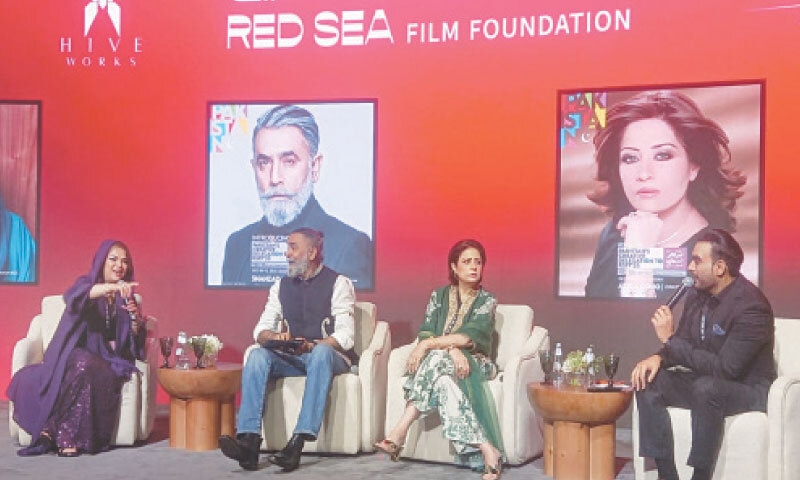


• Filmmaker Shehzad Nawaz urges narrative reclamation to combat image problem
• Actor Attiqa Odho calls for cross-border collaborations to tell women’s shared stories
• Panel touts streaming growth; predicts demise of traditional cinema; recalls dangers associated with political cinema
JEDDAH: A panel of Pakistani artists discussed the expansion of digital platforms and opportunities for cross-border collaboration at the Red Sea International Film Festival, shortly before heavy rains forced organisers to halt the event and cancel screenings.
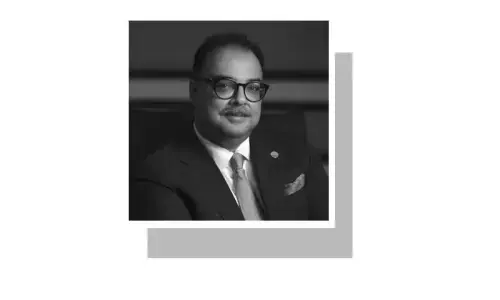
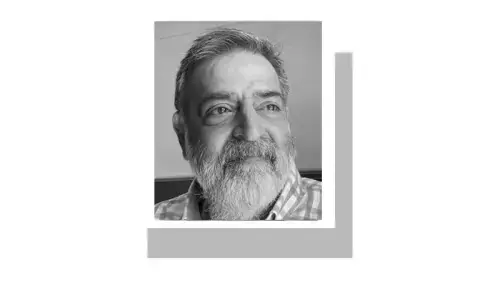
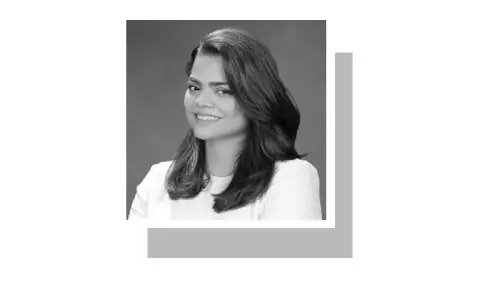
In the session ‘Your Next Story Starts Here’, actor Attiqa Odho, director-actor Shehzad Nawaz and entrepreneur Nosheen Ahmed Wasim addressed the need to reclaim Pakistan’s narrative in global media.
The festival’s inclusion of a Pakistani panel highlights Saudi Arabia’s quickly changing culture as part of its Vision 2030 plan.
Since lifting a 35-year ban on cinemas in 2018, Saudi Arabia has sought to become a regional media hub. With more than two million Pakistani expatriates residing in the Kingdom, the festival offers a strategic platform to bridge the entertainment industries of both nations.
Mr Nawaz highlighted the country’s 5,000-year history but noted an enduring “image problem” caused by a lack of local storytelling. “If you don’t tell your story yourself, somebody else would do it for you,” Mr Nawaz said.
Mr Nawaz, a media strategist-turned-filmmaker recently won acclaim for his role in the drama series Parizaad.
His statement is accurate, especially considering the recently released Indian film Dhurandar, which focuses on the Lyari area of Karachi, its gangs, and figures like Rehman Dakait.
Mr Nawaz noted that the industry is rapidly shifting toward digital markets. He said Netflix is slated to release its first original Pakistani series in June 2026. Additionally, he noted that HBO Max has become the third digital content carrier in the country, following the arrival of Amazon Prime.
Ms Odho suggested that Saudi Arabia and Pakistan could develop a collective narrative, particularly regarding women’s stories. She shared a personal anecdote about arriving in Jeddah and being driven by a woman.
“I was so glad to see that because for the longest time in history we were told that women can’t drive cars in Saudi Arabia,” she said. “Everywhere I go in the world, girls have similar stories to tell and we don’t get enough of them on screen.”
Ms Odho, a veteran figure in Pakistani media and best known for her roles in 1990s television dramas like Sitara aur Mehrunissa and Dasht, she has transitioned from a leading actor to a producer and entrepreneur, frequently advocating for stronger representation of women in South Asian media.
Mr Nawaz said analytics from YouTube and OTT platforms indicate Pakistani content is securing higher viewership numbers.
“Pakistan has a population of 10m people who are digitally connected,” he said. “65 per cent of our population is below the age of 30 and they are largely potential consumers of content.”
He added that the industry currently utilises about 6,000 performing artists and 9,000 production crew members, yet remains eager for international collaboration.
Ms Odho pointed to the global reach of content, noting that the Pakistani blockbuster The Legend of Maula Jatt is being dubbed for release in China.
“Language is no more a barrier, you can make anything in any language and audiences are used to subtitles and dubbed content,” she said.
Regarding the future of distribution, Mr Nawaz argued that a disruption is underway.
“I see traditional cinema not really having a future; otherwise, big studios like MGM and Sony Pictures Corporation would not have gone digital,” he said. “A piece of content is a piece of content. I see its future beyond camera.”
Mr Nawaz also touched on the dangers associated with political cinema. He recounted the backlash he faced after the release of his political thriller Chambailli, stating he was targeted by gunmen and forced to move from Karachi to Lahore under security cover due to threats from political factions.
“It was the first political thriller in cinema,” Mr Nawaz said. “Now when I look back, I think I would have been better off with three love stories instead of that one political film.”
Despite the film’s box office success, he described it as a “glorious failure”.
Following the discussion, torrential rain began to fall in Jeddah. Organisers then cancelled the day’s remaining sessions and film screenings in view of the weather.
Published in Dawn, December 11th, 2025