Rights activists want anti-harassment laws enforced in all sectors


 0
0
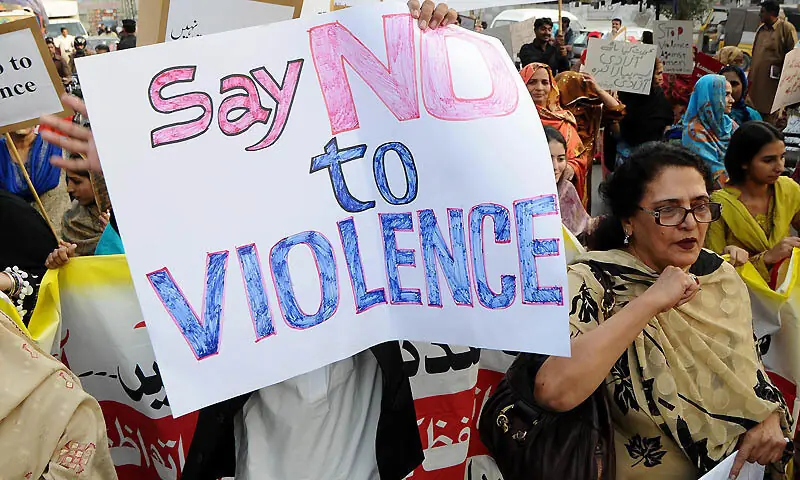

KARACHI: Rights activists have voiced concern that despite the rising incidents of gender-based violence (GBV) in Pakistan, most women remain unaware of how to respond to technology-based abuse or seek legal help from the institutions meant to protect them.
Speaking at an event, organised at the Human Rights Commission of Pakistan (HRCP) office on Thursday to mark the campaign “16 Days of Activism Against Technology-Based Gender Violence”, HRCP Council Member and noted rights defender Sadia Baloch said there is an urgent need to strengthen support systems for survivors.
“Women must be informed about available legal remedies and protection mechanisms. We need more trained personnel at the community level who can assist survivors in filing complaints and accessing justice,” she said.
She added that ending violence against women requires “sustained, collective action,” stressing that the 16 Days campaign should translate into concrete commitments to end GBV.
Ms Baloch called for stronger implementation of existing laws, improved policing, and investment in prevention programmes targeting harmful social norms.
Advocate Shazia Nizamani from Sindh Women Lawyers Alliance said that only 1.2 per cent of GBV cases result in convictions due to weak prosecution and judicial delays. There is also no centralised GBV database, hindering data analysis. Besides, due to resource constraints, shelters and crisis centres, GBV courts, police protection cells and the like are underfunded.
She further said that Pakistan enacted an anti-harassment law in 2010, yet implementation remains negligible. Nearly 90pc of workplaces had not formed the mandatory anti-harassment committees, while those that did exist did not take action against management.
HRCP Regional Coordinator Nida Tanweer highlighted that after the introduction of the Prevention of Electronic Crimes Act (Peca), the Federal Investigation Agency (FIA) remains overwhelmed with cases and lacks the capacity to effectively handle gender-based digital crimes. “There is a need for a dedicated cell that exclusively deals with GBV-related complaints,” she said.
Ms Tanweer noted that survivors often hesitate to report abuse due to fear, stigma and a lack of awareness about their rights. She also emphasised the need for safe shelters, counselling services and economic opportunities for vulnerable women.
Karachi-based Associate for Digital Rights Foundation (DRF) Romasa Tunio shared practical tools and strategies that can help women protect themselves from technology-based violence, urging society to challenge discriminatory attitudes and demand accountability from state institutions. She called on men and youth to take an active role in awareness efforts.
Participants expressed solidarity with survivors and pledged to raise awareness throughout the 16 Days campaign, which concludes on December 10, Human Rights Day.
The rights activist demanded the government to ensure strict implementation of anti-harassment laws across all sectors, including agriculture and the informal economy; establish an accessible, safe, and fear-free complaint mechanism for women workers, especially those in the informal sector; provide fair wages and register women workers with social protection institutions; restore freedom of expression and all democratic rights; repeal draconian laws such as Peca; establish functional anti-harassment committees at all workplaces; repeal all discriminatory laws against women.
Published in Dawn, November 28th, 2025