1
1

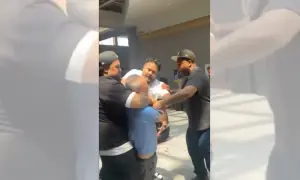
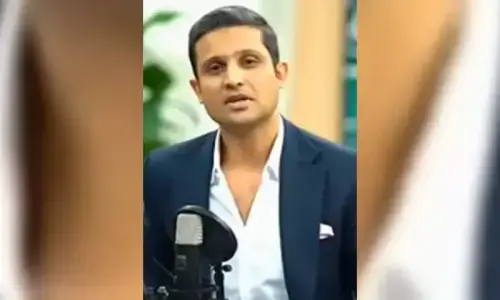
I’M sure you’ve come across the video of journalist Shahzeb Khanzada being harassed in Canada with his wife. The gentleman who accosted him aggressively was complaining about Khanzada’s bias against Imran Khan and his wife. The aggressor posted the video on social media and you can see Khanzada does not engage with him. The incident has been condemned by people across party lines, including PTI leader Gohar Khan.
There is nothing really unusual about this video. It is almost a new kind of reality show for us to watch public officials get abused in public places, including holy sites like Makkah. Psychologists will tell you that public humiliation is a form of abuse and causes distress to the victim but what does it say about those who enjoy watching it, or worse, goading people into doing it? Are they our version of the slur ‘white trash’, ie, uncouth and uncultured? Or is this to be expected after years of feeling neglected by public officials’ misgovernance?
The new reality is that no one is entitled to privacy and, as we’re seeing, not even to basic respect. We live at a time where everything is about seeking online attention and then validation for which you often need content if you want to go viral, become a trend, etc. We find pleasure — and profit — in someone else’s shaming. It is our new sport.
For one set of people Khanzada’s harasser represents all that is ugly about discourse in Pakistan. To another group though he is the new hero who doubled down against Khanzada when his identity was revealed. He is being interviewed for his courage by the very vloggers who profit from spreading lies.
We find pleasure and profit in someone else’s shaming.
Digital harassment is a real threat but it can quickly turn to acts of physical violence. There are plenty of examples in Pakistan of how social media posts led to real physical harm, including lynching. There are other journalists like Talat Hussain who have faced harassment when they were out with their families. You can disagree with journalists but there must be a way to do so without intruding on their personal space and intimidating them.
Let us be clear about one thing: when you accost journalists you are not doing it for the sake of accountability or hearing their point of view. You don’t even know what journalism is. Therein lies the whole problem. You think journalism is confirming your own point of view; everything else is ‘lifafa’ or shilling for the establishment.
Journalism is not clippings posted on social media that do not tell the whole story. They are often used by vloggers to perpetuate their point of view, as likely happened in Khanzada’s case.
I find it equally unsettling to hear the government of the day lecture us on what journalism is meant to be, especially when each administration goes to new lengths to stifle free speech. Pakistan consistently ranks as one of the most dangerous places for journalists. The Pakistan Press Foundation documented 137 attacks on journalists from January to October 2025, including 35 incidents of physical assault, two injuries during reporting, five detentions, two abductions, and four attacks on media properties.
Yet journalists put their lives on the line to hold the powerful to account. They need the public’s support and not to fear the public. Maybe it’s time the whole country got a lecture on what constitutes journalism and how, when done right, journalism is a public good.
This dog-eat-dog culture of turning everything into a public spectacle for entertainment and dollars cannot become our new norm. We have to find a way to reclaim a space where we can have civil dialogue. We have to find effective fair laws that redress grievances.
The AI-generated video of journalist Benazir Shah currently doing the rounds is vile. Her decision not to pursue legal action on the principle that Peca laws are problematic should be reconsidered. I appreciate her position. But without legal action against them, perpetrators of the crime get away with it. And do it again and again. They have one purpose — to bully journalists into silence or harass them until they side with them to avoid getting trolled. In that respect, they are no different to the state that stifles dissent.
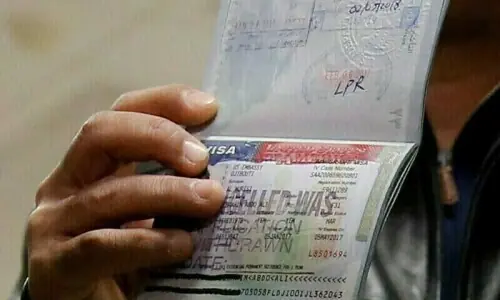
What kind of consequences should men like Khanzada’s harasser face? I read on social media there is talk of denying him the necessary Pakistani ID, which is simply ridiculous. You can’t deny a man entry to Pakistan because he used a phone to record someone in public. But you can encourage people to pursue legal avenues if they feel threatened.
Can we find ways to dissent in a decent manner, both as citizens and lawmakers, who are making it impossible to practice any speech (forget free speech)? No good comes from policies rooted in vindictiveness.
The writer is a journalism instructor.
X: @LedeingLady
Published in Dawn, November 23rd, 2025