Auto financing hits Rs315bn amid cheaper rates


 0
0
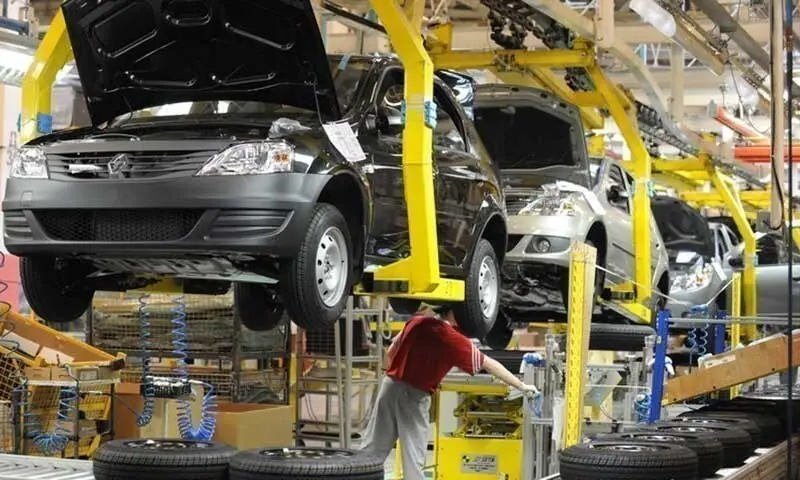

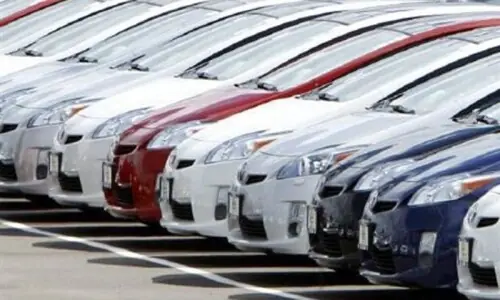
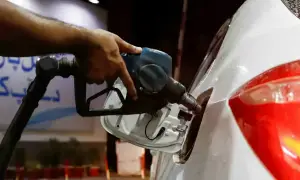
KARACHI: The outstanding auto loans posted the 11th consecutive month of growth, rising to Rs315.4 billion by the end of October from Rs305bn by the end of September, according to the State Bank of Pakistan (SBP).
Amid a drop in the policy rate to 11 per cent from 22 per cent in June 2024, auto financing is gradually struggling to reach the record high of Rs368bn achieved in June 2023.
The auto loans may remain in high demand in the coming months, depending on the stability or further decline in interest rates, followed by rising demand for small cars, especially the Suzuki Alto 660cc and imported second-hand cars.
New entrants as well as established assemblers are launching new models, while attractive packages from assemblers and banks, with interest rates below 10pc, continue to attract buyers to bank financing.
However, the existing cap of Rs3m on auto loans continues to restrict higher-end financing. A 30pc down payment requirement and shorter loan tenures — five years for vehicles up to 1,000cc and three years for smaller cars — also discourage potential borrowers.
Assemblers call to curb imports
The three-day Pakistan Auto Show concluded on Sunday, showcasing a wider range of locally produced vehicles and new entrants offering cleaner, greener technologies, signalling that Pakistan may soon witness meaningful growth in the EV category, which is essential for long-term market transformation.
This year’s event featured 172 exhibitors, most of whom represented Pakistan’s manufacturing base. They were joined by 33 Chinese companies and six Iranian companies. Several brands unveiled new models, with MG Motors, Chawala Green, Changan Pakistan, Master Chery, Capital Smart Motors, and Suzuki introducing vehicles across multiple segments.
Amid enthusiasm around new models and technologies, concerns persist regarding policy consistency — particularly as the government works on the Auto Policy 2026-31. Manufacturers said that while market expansion and new entrants are welcome, the sector’s sustainability depends on how the upcoming policy addresses used car imports, which have grown significantly in recent years.
Indus Motor Company Chief Executive Officer Ali Asghar Jamali said currently 17 global automotive players have invested in Pakistan, establishing plants with a combined capacity of 500,000 units, of which only one-third is utilised.
Despite significant investment, the import of used cars, which already accounts for 25pc of the market, undermines investor confidence. Insufficient capacity utilisation also makes locally produced vehicles less competitive and more expensive for consumers.
Speaking at the event, he urged the government to maintain policies that promote local manufacturing and shield the industry from the negative impact of used car imports.
Pakistan Association of Automotive Parts and Accessories Manufacturers Chairman Usman Malik said the challenge is not competition but uneven playing conditions, as used vehicle imports often bypass the regulatory and fiscal obligations faced by local producers.
Unless the new auto policy clearly defines the role of used car imports, manufacturers — old and new — will continue to operate in an unpredictable environment, he said, adding that a clear policy framework is essential to protect local jobs, ensure capacity utilisation and sustain long-term investment.
Published in Dawn, November 18th, 2025